Guide To High Quality PLA Cups: Materials, Standards & Best Practices | Bioleader® Insights

Actionable coverage of high quality PLA cups: eco-friendly, biodegradable, compostable materials, performance data, and compliance under EN13432 & ASTM D6400. Includes BPI/TÜV references and Food-Contact Tested guidance for safe deployment. Buyer-focused: manufacturer insights, bulk/wholesale buying playbooks, OEM/ODM customization tips, full size range selection.

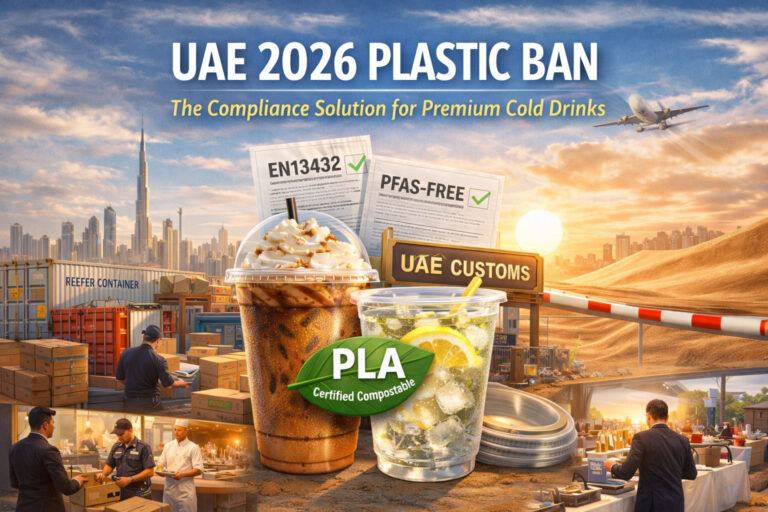
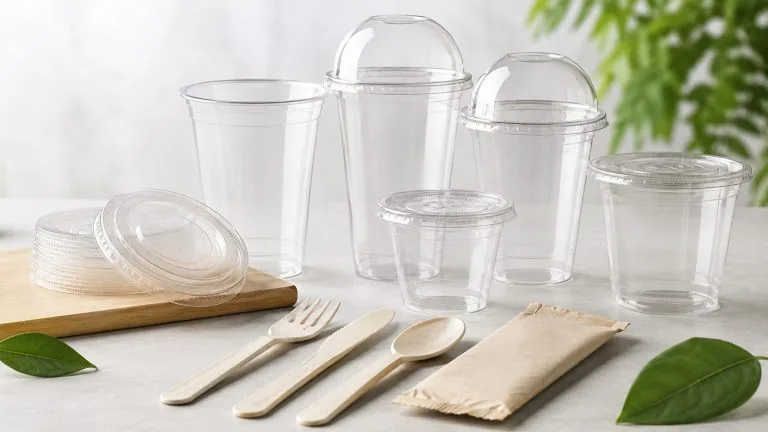
As plastic bans tighten across continents, PLA cups have emerged as one of the most sought-after sustainable alternatives in the foodservice and beverage packaging industry. From smoothie shops to global coffee chains, businesses are actively seeking compostable cold cup options that meet regulatory demands while delivering high performance. In 2026, the global PLA cup supply chain is moving from basic product availability to factory-scale reliability, cup-and-lid matching, certification control, and custom branding capability.
high quality PLA cups — Quick Summary
  • Items displayed (articles): 12
  • Last updated: 2025-07-02
  • Includes test data, compliance guides, buyer FAQs, and real-world use cases.

Editor’s Picks: Top High Quality Pla Cups Guides 2026

FAQ of Bioleader's Eco-friendly Disposable Tableware

Can these bowls be used in a microwave?

Yes, our eco friendly disposable bowls are microwaveable, which allows users to heat food without the need of an extra bowl — high quality PLA cups.

Can these containers hold liquids?

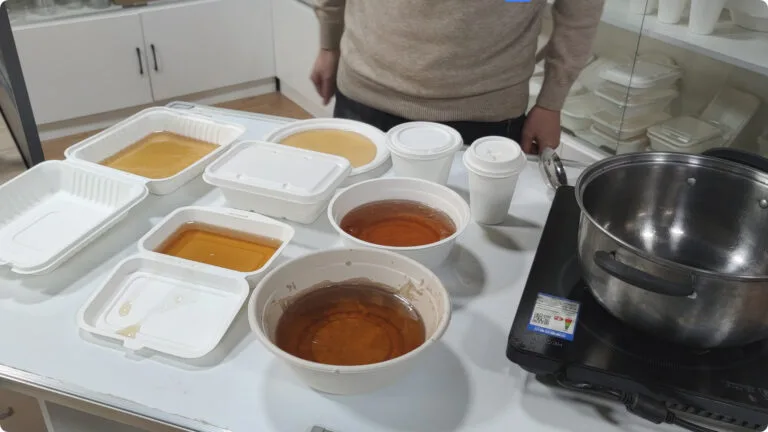
Yes, our paper food containers are leakproof and hold solid and liquid foods including thick soups sauces, and creamy dishes too — high quality PLA cups.

Are these bowls suitable for serving hot foods?

Certainly, our to go bowls with lids make it possible to serve hot foods such as soup, noodles, and stew without leaking or deforming — high quality PLA cups.

What is PLA?

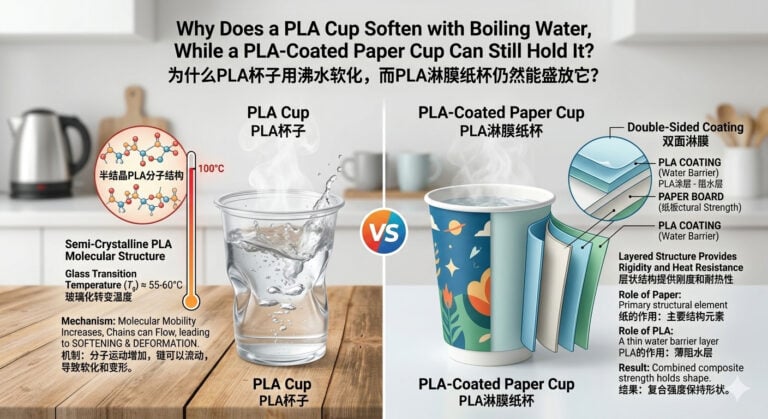
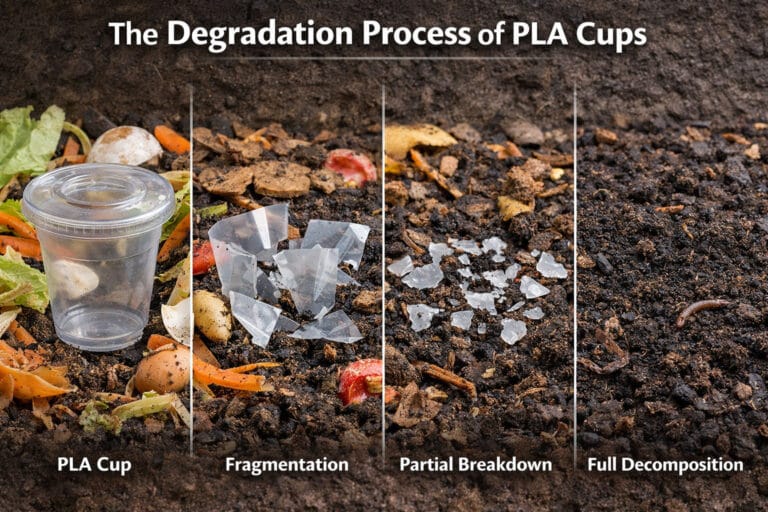
PLA stands for Polylactic Acid, a biodegradable polyester derived from renewable plant resources. Instead of oil, PLA is made by fermenting sugars from corn starch, sugarcane, cassava, or other biomass into lactic acid, which is then polymerized into plastic​​. The result is a bioplastic resin that can be molded into products like cups, lids, or straws. PLA looks and feels like conventional petroleum-based plastic but is fully compostable under the right conditions.

Life Cycle Assessment Data

Studies have shown that producing PLA cold drink cups generates 60% less CO₂ emissions compared to petroleum-based plastics like PET and polystyrene.

Related Insights

🚀Ready to Go Green and Choose ?

Join the global movement toward zero-waste packaging.


Bioleader® offers:

  • 📦 Bulk order support & fast delivery

  • ✍️ Custom branding and OEM solutions

  • 🌍 Worldwide eco-packaging compliance

Get the Catalogue Products List  & Contact Us Now! 👉

Contact us Below

Click or drag files to this area to upload.You can upload up to 5 files.
The more details you share, the faster and more accurate our quotation will be.