🥄 Let’s Get This Out of the Compost Bin…
Ever picked up a “compostable” fork at your local salad bar and thought, “Nice! Saving the planet one bite at a time!” But wait—was that fork made of PLA? Or was it bagasse? And… what’s the difference anyway?
If you’ve ever asked yourself:
Is bagasse better than PLA?
Which one can handle my steaming bowl of chili?
Will either of these actually decompose in my backyard compost?
Congratulations—you’re in the right place.
We’re diving fork-first into the world of eco tableware, where sugarcane pulp and plant-based plastic go head-to-head. Let’s find out who really wears the compostable crown.
🌾 Meet the Contenders
🟢 Bagasse: The Sugarcane Sidekick
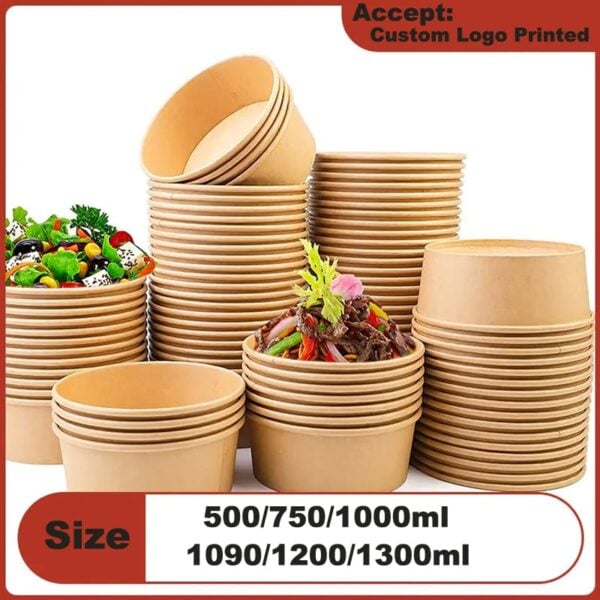
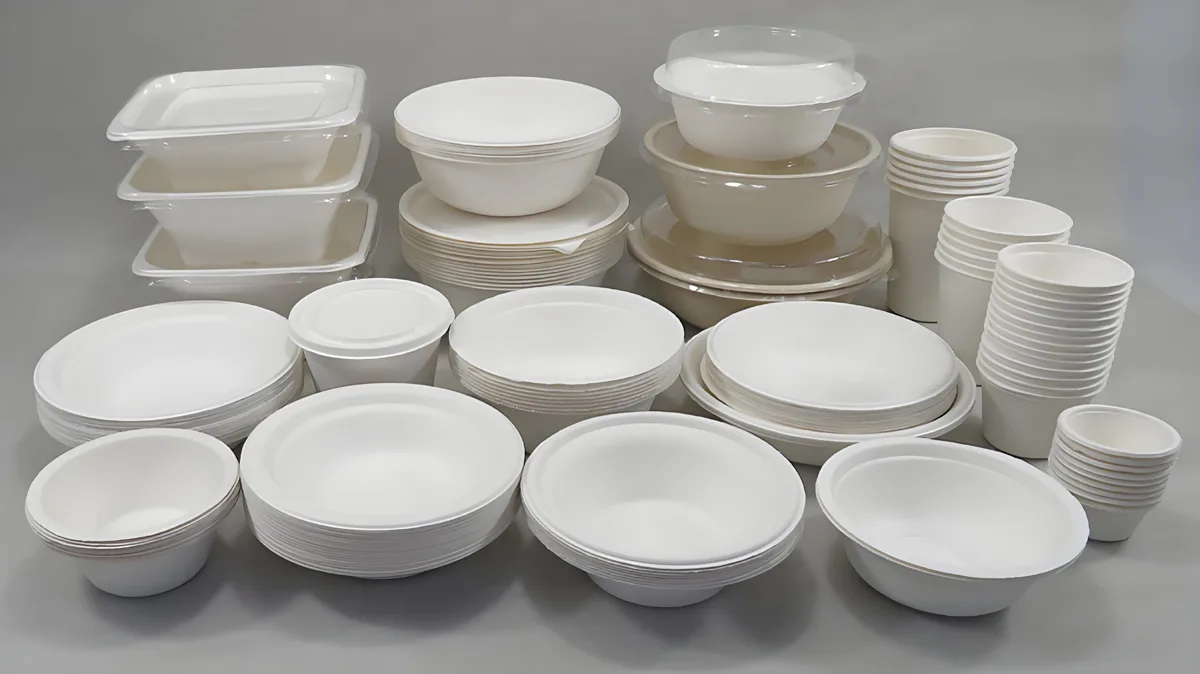
Bagasse (pronounced buh-GAS) is what’s left after sugarcane is squeezed for juice. You know the stuff—fibrous, a little scrappy, but surprisingly strong.
It’s basically the pulp of the sugar world. But don’t underestimate it. Bagasse is turned into:
Bowls
Hot lids and even trays
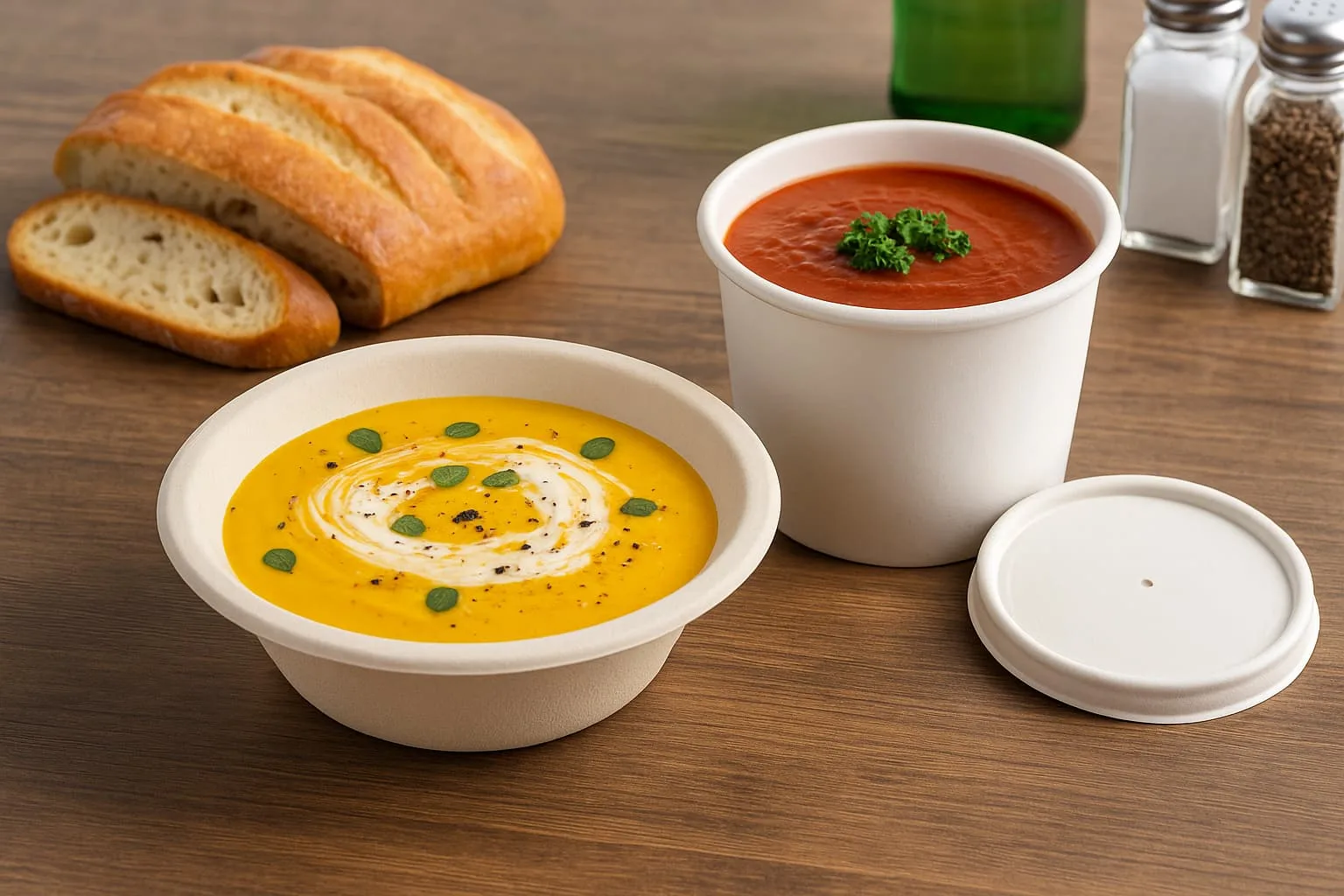
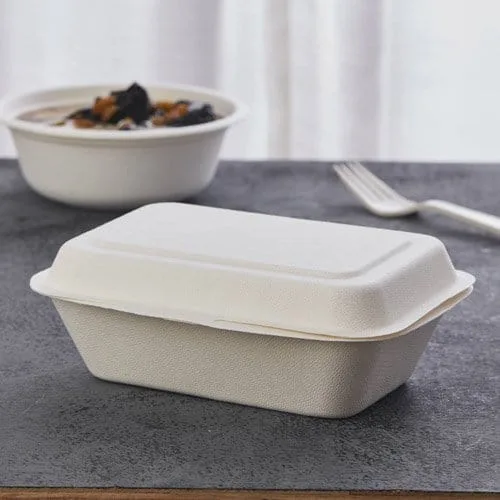
Best of all? It’s heat-safe, microwave-friendly, and compostable at home. That’s right—you can bury your soup bowl in the garden and walk away guilt-free.

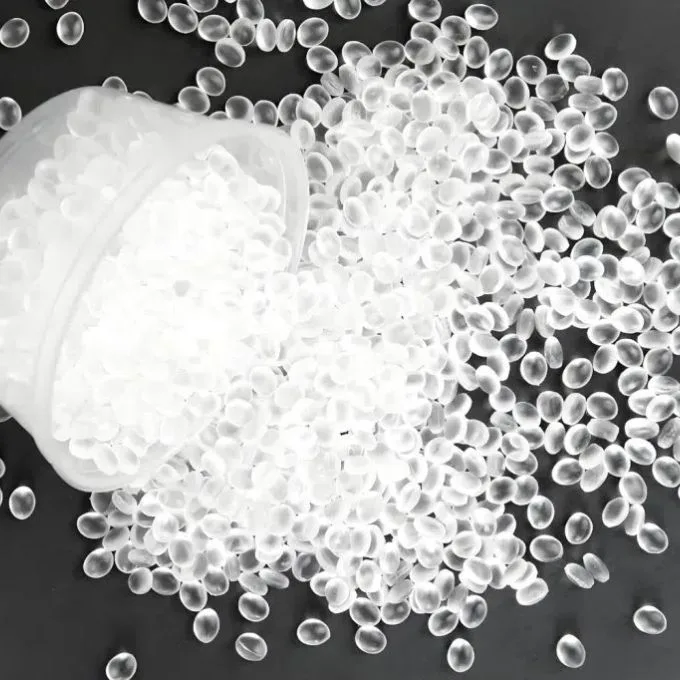
🔵 PLA: The Shiny Pretender
PLA, or polylactic acid, sounds like something from a chemistry book, but don’t let the name fool you—it’s made from fermented corn, sugarcane, or even cassava.
It looks and feels just like plastic, which is great for:
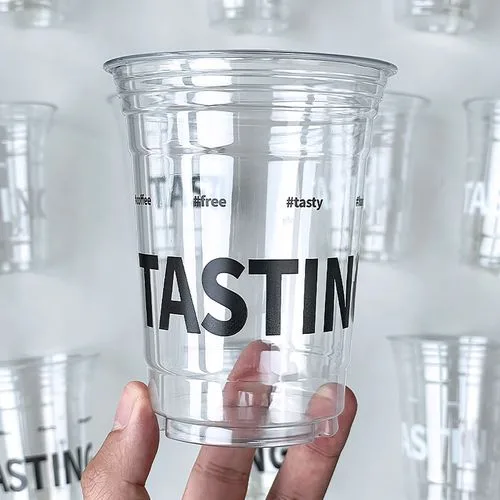
Clear cold drink cups (yes, those trendy PLA cups)
Straws and takeout salad boxes
Coffee cup linings
Trying to fool your eco-conscious friends
But there’s a catch: PLA needs industrial composting to break down. No high-heat, high-humidity facility? That PLA fork might sit in a landfill for years—right next to the plastic ones it was meant to replace.
🔬 Bagasse vs. PLA – The Smackdown
Let’s put them in the ring:
| Category | 🟢 Bagasse | 🔵 PLA |
|---|---|---|
| Made From | Sugarcane waste (leftover pulp) | Fermented plant starch (usually corn) |
| Compostability | ✅ Home & industrial compostable | ⚠️ Only industrial compostable |
| Heat Resistance | ✅ Handles hot foods up to 200°F | ❌ Warps at 110°F (soup? nope.) |
| Microwavable | ✅ Yes | ❌ No |
| Appearance | Matte, fibrous, paper-like | Clear, shiny, plastic-like |
| Common Uses | Bagasse tableware, hot food, bowls | PLA cups, lids, cold food trays |
| Eco Street Cred | 🌿 10/10 – legit compost champ | 🌿 6/10 – good if composted right |
| Sneaky Pitfalls | Might feel “rustic” to some | Greenwashed when not composted |
🧪 Science & Real-Life Stories
📊 Case Study: The Chili Test
A West Coast meal delivery startup ran a test: 100 customers got piping hot lentil chili in two types of containers.
Bagasse bowls handled the heat like champs. Customers praised the sturdiness and no leaks—even when reheated.
PLA containers? Some went soft. Others leaked. Reviews included the word “soup-splosion.” Not ideal.
🍴 Case Study: The Festival Fiasco
A summer music festival required vendors to use “compostable” packaging. Half used PLA cups; the other half used bagasse plates and containers (supplied by Bioleader, a certified paper soup containers manufacturer).
Guess what?
PLA cups piled up in trash bins—most composting facilities didn’t exist nearby
Bagasse food containers made it to the compost drop-off zones, no questions asked
Vendors using bagasse got better feedback and less clean-up drama
🌍 Environmental Impact—Who’s Actually Greener?
Here’s where it gets juicy.
💚 Bagasse:
Made from waste (sugarcane fiber that would otherwise be discarded)
Requires no fertilizer, water, or extra land to produce
Breaks down in 60–90 days, even in your backyard bin
⚠️ PLA:
Grown on purpose = uses agricultural resources
Might compete with food crops (hello, corn!)
If not composted in an industrial facility = ends up in landfills
In landfill = acts like plastic = 👎
So… bagasse is not just compostable—it’s upcycled, efficient, and low-impact.
🧊 When to Use PLA (Yes, It Has a Place)
We’re not here to PLA-bash. There are times w
Clear cold drinks (iced tea, lemonade, smoothies)
Straws where paper isn’t practical
Cold salad containers where plastic look is preferred
Areas with industrial composting access
Just be aware: if that PLA cup ends up in your backyard compost, landfill, or ocean… it’s not breaking down anytime soon.
🔥 When Bagasse Is the No-Brainer
If you’re serving:
Hot soup
BBQ
Pasta or curry
Microwavable leftovers
Sticky sauces
Then bagasse wins. Every. Single. Time.
Especially if it comes from a certified bagasse food containers manufacturer like Bioleader, which provides:
Commercial quantities
FDA-approved, food-safe packaging
Compostability certifications
Custom branding options (yes, your logo can go on that eco-bowl)
💼 Business Tip: Go Bagasse, Win Customers
In a recent survey, 72% of customers said they’re more likely to reorder from a food brand using compostable packaging.
That’s not just good karma—that’s ROI.
Brands working with Bioleader, a reliable paper soup containers manufacturer, often report:
Better customer reviews
Fewer packaging-related complaints
Stronger brand loyalty
Because let’s face it—nobody raves about a plastic clamshell.
✅ So… Which One Should You Choose?
If your menu = hot food, soup, greasy goodness → go bagasse
If your menu = iced drinks, saladsPLA can work (just dispose properly)
But if you’re thinking long-term sustainability and customer experience?
Bagasse is your best friend.
FAQs
Is bagasse safer than PLA?
Yes. Bagasse is made from plant fibers with no added chemicals, making it safer under heat exposure compared to PLA.
Can PLA be composted at home?
No. PLA requires industrial composting conditions and will not decompose in home compost piles.
Are bagasse containers waterproof?
Yes. Most bagasse containers are treated with water-resistant coatings (plant-based) and hold liquids for up to 24 hours.
Do both materials reduce plastic waste?
Yes, but bagasse does it more effectively, especially where commercial composting is not available.
Is PLA considered plastic?
Technically, yes. It’s a bioplastic — derived from plants but shares physical traits with petroleum-based plastic.
📚 References
ScienceDirect – Bagasse as a Sustainable Packaging Material, M. Kaur, 2022
https://www.sciencedirect.com/science/article/abs/pii/S2214785321000223Environmental Protection Agency (EPA) – Facts and Figures about Materials, Waste and Recycling, U.S. EPA, 2023
https://www.epa.gov/facts-and-figures-about-materials-waste-and-recyclingBPI (Biodegradable Products Institute) – Certified Compostable Product Guidelines, BPI, 2023
https://www.bpiworld.org/Green Restaurant Association – Understanding Bioplastics Like PLA, C. Lopez, 2023
https://www.dinegreen.com/bioplastics-guideWikipedia – Polylactic Acid and Bagasse, Wikipedia contributors, updated 2024
https://en.wikipedia.org/wiki/Polylactic_acid
https://en.wikipedia.org/wiki/Bagasse