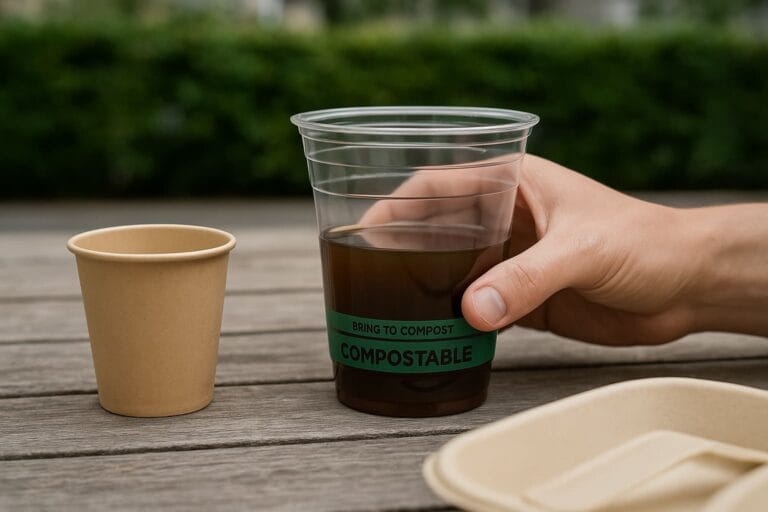
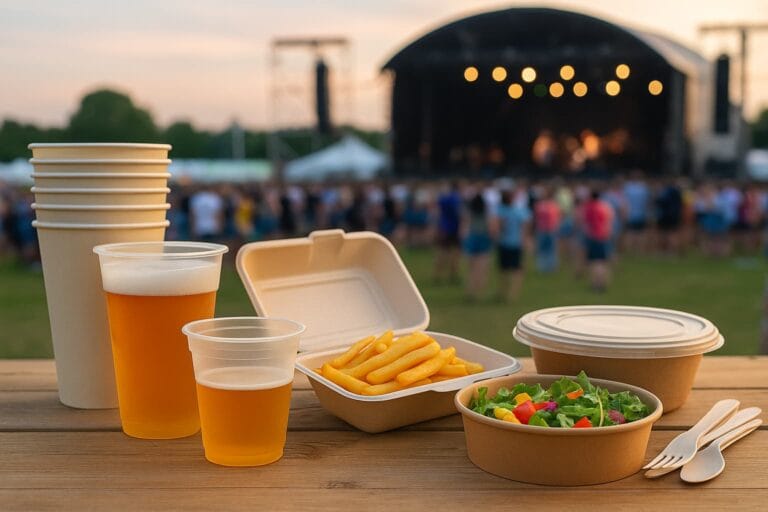
Wholesale Cups 101: What It Is, When To Use, And How To Choose | Bioleader® Insights

Actionable coverage of wholesale cups: eco-friendly, biodegradable, compostable materials, performance data, and compliance under EN13432 & ASTM D6400. Includes BPI/TÜV references and Food-Contact Tested guidance for safe deployment. Buyer-focused: manufacturer insights, bulk/wholesale buying playbooks, OEM/ODM customization tips, full size range selection.
wholesale cups — Quick Summary
  • Items displayed (articles): 12
  • Last updated: 2025-03-23
  • Includes test data, compliance guides, buyer FAQs, and real-world use cases.

Editor’s Picks: Top Wholesale Cups Guides 2026

FAQ of Bioleader's Eco-friendly Disposable Tableware

Why Use Paper Pulp?

Environmentally Friendly: Paper Pulp can easily cause no harm to the environment since it’s sourced from sustainable sources and has natural degrading properties , wholesale cups. Completely Biodegradable: Unlike traditional plastic or styrofoam, the biodegradable disposable bowls will naturally decay, thereby limiting the amount of waste that would’ve filled landfills. Safe for Food and Non-Toxic: These bowls cut out dangerous substances such as BPA and PFAS, which makes sure whatever food is being served in the bowl is free from contamination and is safe for consumption. The Production Process: Paper Pulp Moulding Technology Our biodegradable and organic bowls are made through a modern, eco-friendly method called paper pulp molding , wholesale cups.
Eco-Friendly and Biodegradable

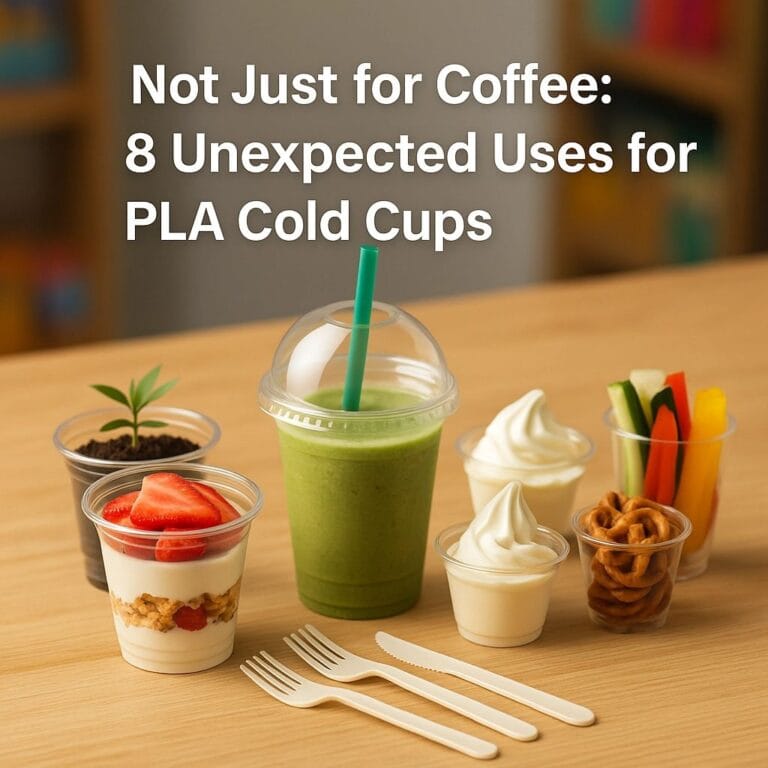
Serving as compostable food trays, our products get degraded over time when placed within activating environments, thus contributing towards minimal damage to the landfills while providing a much more environmentally friendly packaging. These bagasse food trays are not harmful to the environment which is a major shift towards a more responsible and eco-friendly practice instead of the use of plastic trays for food service.

Here are the reasons people purchase paper pulp bowls:

Socially Responsible: For eco-friendly customers, the focus is gradually shifting towards biodegradable bowls that aid in pollution reduction and ensure a safe environment. Safe and Healthy: Since these are produced using safe materials, they do not possess the typical worries of plastic containers that have toxins and chemicals, which make it unsafe. Custom Options for Your Bowling Alley Business: For your Specifications and Requirements To facilitate business requirements more adequately, we offer a wide range of sizes and packaging for paper pulp bowls so you can customize them as per your needs. For Better Delivery Options, you can Pick Special Designs Or Printing; therefore, you don’t have to Worry About How Your Brand Will Look , wholesale cups.

240 ml to Cups

Metric Perspective:In many countries, liquid volumes are measured in milliliters. Although 240 ml is slightly above 1 cup, for most practical purposes it is treated as equivalent. Usage in Packaging:Many beverage containers are labeled as “240 ml water cups” or “cup 240 ml” to reflect this near-equivalence.

The Relationship Between Fluid Ounces, Milliliters, and Cups

8 oz to Cups:In the United States, 8 fluid ounces are equivalent to 1 cup. This standard measurement is used widely in culinary practices. 240 ml to Cups:With 1 cup approximately equal to 237 ml, 240 ml comes very close to 1 cup (roughly 1.01 cups). 250 ml to Cups:Similarly, 250 ml is slightly more—about 1.06 cups.

Related Insights

🚀Ready to Go Green and Choose ?

Join the global movement toward zero-waste packaging.


Bioleader® offers:

  • 📦 Bulk order support & fast delivery

  • ✍️ Custom branding and OEM solutions

  • 🌍 Worldwide eco-packaging compliance

Get the Catalogue Products List  & Contact Us Now! 👉

Contact us Below

Click or drag files to this area to upload.You can upload up to 5 files.
The more details you share, the faster and more accurate our quotation will be.