FAQ of Bioleader's Eco-friendly Disposable Tableware
What is BPI compostable cutlery made from?
BPI compostable cutlery is typically made from plant-based materials such as cornstarch, PLA, or other renewable bioplastics that fully biodegrade under commercial composting conditions.
Can compostable sporks be customized for branding?
Absolutely — wholesale biodegradable bowls. Many manufacturers offer full customization of compostable sporks, including packaging design, logo printing, and size variations to meet branding needs.
What is a compostable spork made of?
A compostable spork is typically made from cornstarch or other plant-based bioplastics, making it biodegradable and environmentally friendly compared to traditional plastic cutlery.
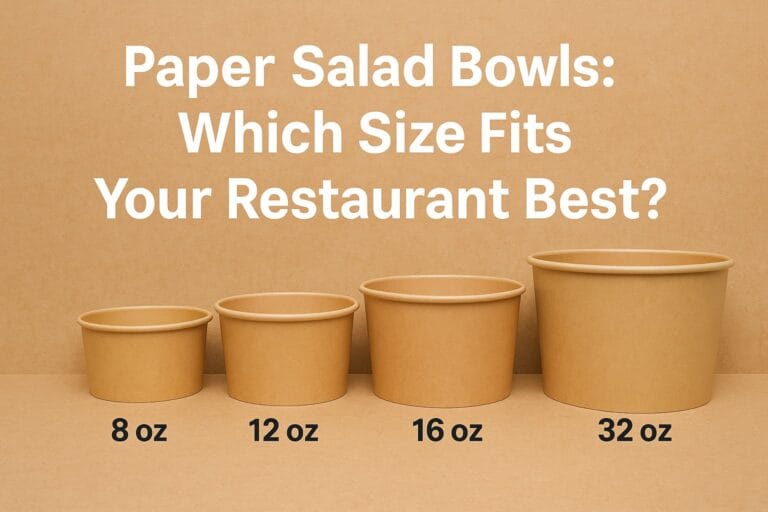
1.2 Kraft Paper
Kraft paper is made from unbleached wood pulp and is known for its strength and durability. It is typically used for takeout bowls containing heavier foods. Kraft paper bowls are often biodegradable and recyclable, though their environmental impact depends on the coating used , wholesale biodegradable bowls. Pros: Durable and tear-resistant Often unbleached, making it more environmentally friendly than bleached alternatives Suitable for heavier, greasy foods Cons: Usually requires a plastic or wax coating to hold liquids Not always recyclable if the coating is non-compostable , wholesale biodegradable bowls.
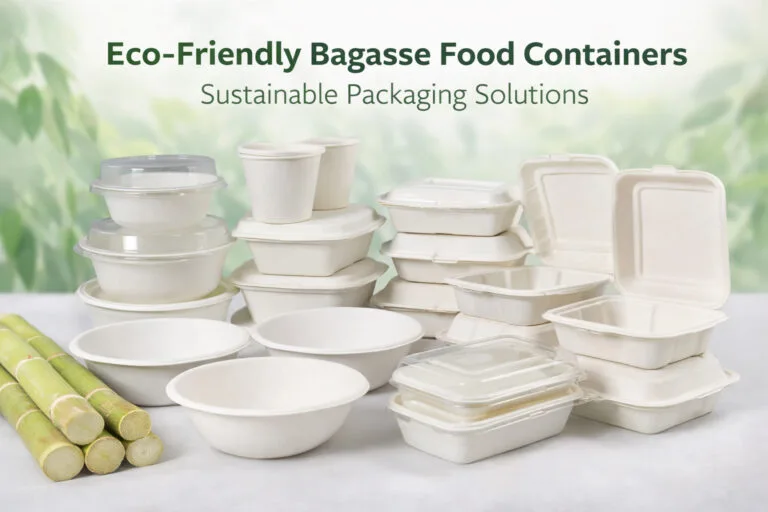
2.1 Bagasse (Sugarcane Fiber)
Bagasse is the fibrous residue left after extracting juice from sugarcane. It is often molded into disposable bowls, plates, and containers. Bagasse bowls are compostable and biodegradable, making them an excellent choice for eco-conscious businesses. Pros: Compostable and biodegradable Sturdy and resistant to leaks Microwave-safe and can withstand heat up to 220°F (104°C) Cons: Can become soft if exposed to liquids for extended periods Slightly more expensive than paper alternatives