Takeaway: Market Use & Adoption Trends | Bioleader®

Actionable coverage of takeaway: eco-friendly, biodegradable, compostable materials, performance data, and compliance under EN13432 & ASTM D6400. Includes BPI/TÜV references and Food-Contact Tested guidance for safe deployment. Buyer-focused: manufacturer insights, bulk/wholesale buying playbooks, OEM/ODM customization tips, full size range selection.
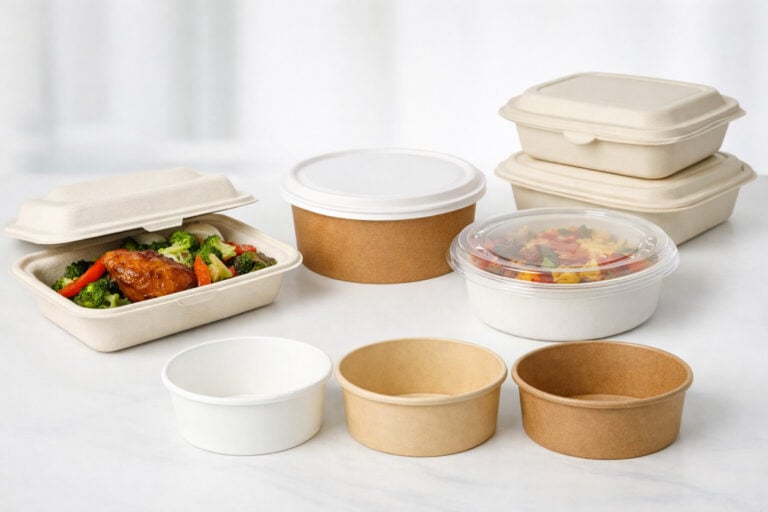
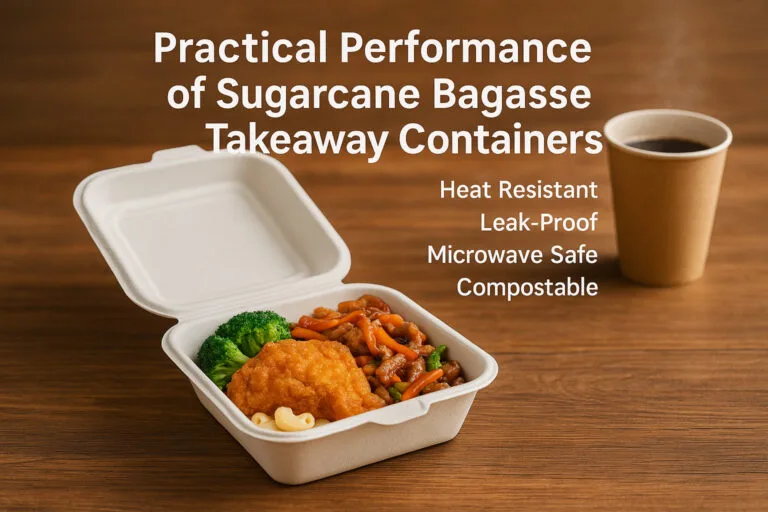
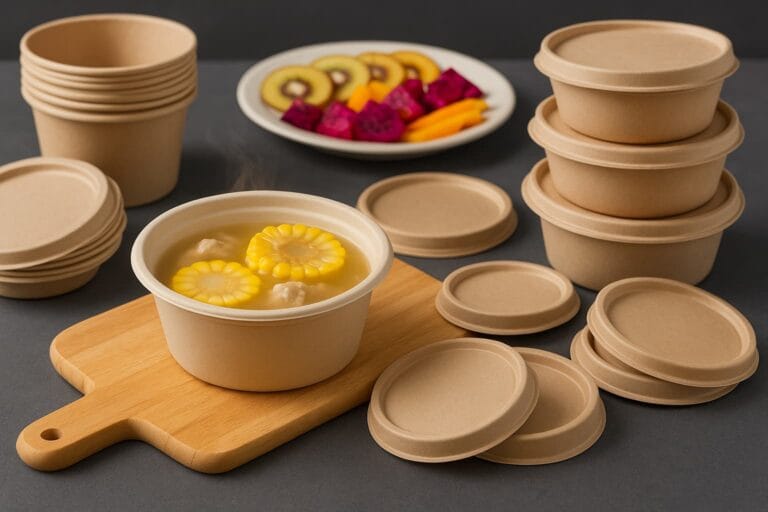
Quick Summary: Choosing takeaway food containers today is no longer just about material claims or unit price. The real standard is whether the package can remain leak-resistant, structurally stable, and commercially reliable under actual takeaway conditions such as hot food, oil exposure, delivery movement, and possible reheating. The strongest packaging solutions are defined by performance fit, lid compatibility, and clear route selection. That is why Bioleader focuses on practical high-performance routes such as high-temperature PFAS-free bagasse, water-based aqueous paper bowls, PLA-coated paper bowls, PP-coated paper bowls, matched paper lids and PP lids, and a well-balanced cornstarch formulation.
takeaway — Quick Summary
  • Items displayed (articles): 12
  • Last updated: 2026-04-17
  • Includes test data, compliance guides, buyer FAQs, and real-world use cases.

Editor’s Picks: Top Takeaway Guides 2026

FAQ of Bioleader's Eco-friendly Disposable Tableware

Materials: Kraft Paper & White Cardboard Paper

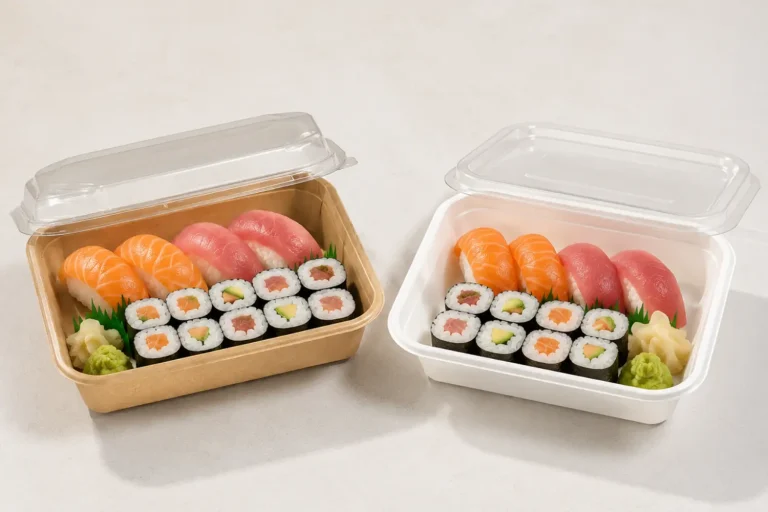
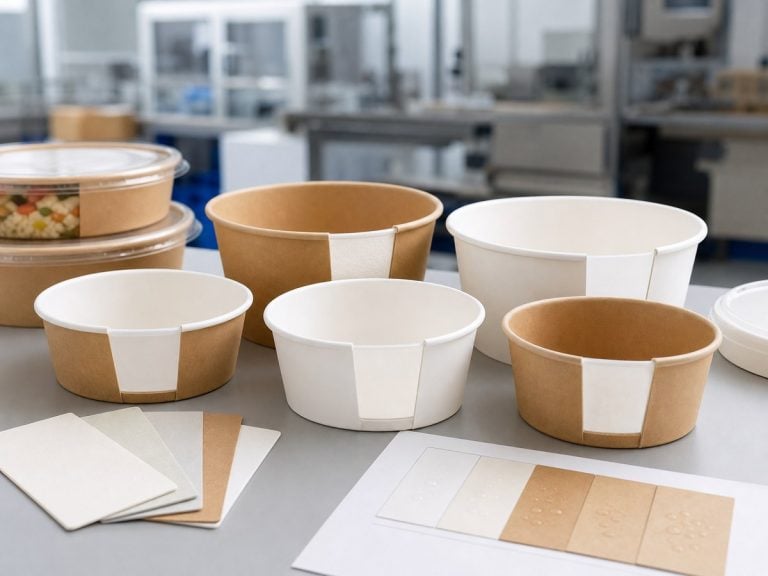
Our company’s biodegradable bowls are made of materials that allow biodegradation such as kraft paper and cardboard paper , takeaway. Sturdy and durable kraft paper is opaque and gives the kraft paper a natural aesthetic that consumers in this era should gorge on. White cardboard paper helps to enhance this look while ensuring that the bowl remains strong , takeaway. Even these materials are 100% bio-degradable, hence these disposable biodegradable bowls will decompose within a short time after disposal to reduce pollution.

Do the containers comply with environmentally friendly customs?

Yes, our to go salad bowls are eco friendly because it is made of biodegradable materials such as kraft paper and white paper card board which is better than plastic.

Is it really compostable?

Yes, these salad bowls compostable are made from biodegradable materials such as kraft paper and white cardboard paper which allow it to biodegrade when discarded appropriately.

1.1 Delivery failure usually starts with a sourcing mismatch, not with a material name

Many buyers still begin by comparing bagasse takeaway containers, paper food containers, and cornstarch takeaway containers as if the material itself automatically defines performance. In practice, that approach often leads to the wrong buying decision — takeaway. A takeaway container usually fails not because its material category sounds weak, but because the selected product is not matched to the real use case. The same package may work well for one menu and fail quickly for another.

1.2 Heat, steam, oil, and movement create compound stress

In real takeaway use, packaging does not fail because of one isolated variable. A container may appear strong when empty, yet perform poorly once hot food is packed inside, steam begins to build under the lid, oil collects around the rim, and delivery movement adds pressure to the closure system. The actual delivery environment creates compound stress. Heat affects the structure.

Related Insights

🚀Ready to Go Green and Choose ?

Join the global movement toward zero-waste packaging.


Bioleader® offers:

  • 📦 Bulk order support & fast delivery

  • ✍️ Custom branding and OEM solutions

  • 🌍 Worldwide eco-packaging compliance

Get the Catalogue Products List  & Contact Us Now! 👉

Contact us Below

Click or drag files to this area to upload.You can upload up to 5 files.
The more details you share, the faster and more accurate our quotation will be.