FAQ of Bioleader's Eco-friendly Disposable Tableware
What are compostable plastic spoons and forks made of?
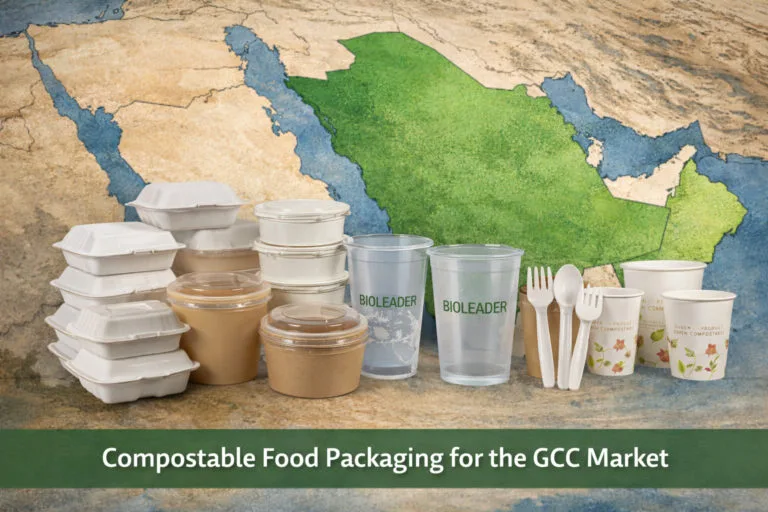
Compostable plastic spoons and forks are typically made from plant-based materials such as cornstarch, PLA (polylactic acid), or CPLA. These materials are biodegradable and designed to break down into natural elements in composting environments.
How does buying compostable spoons and forks wholesale save costs?
Purchasing compostable cutlery in bulk reduces the per-unit price and shipping expenses. Wholesale suppliers often offer tiered pricing or discounts for larger orders, which helps businesses lower their overall operational costs , takeaway food containers.
Can biodegradable plastic cutlery be composted at home?
Some biodegradable plastic forks and spoons can be composted at home, but most require the higher temperatures and controlled conditions found in industrial composting facilities for complete breakdown , takeaway food containers.
Operational Benefits for Restaurants
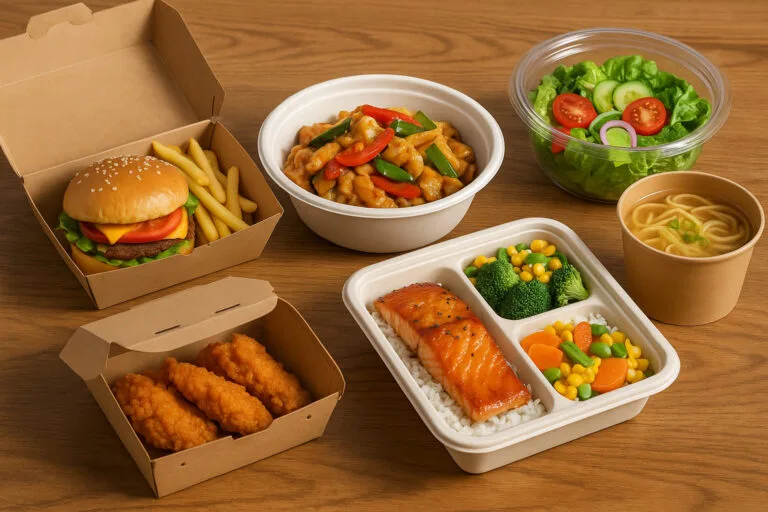
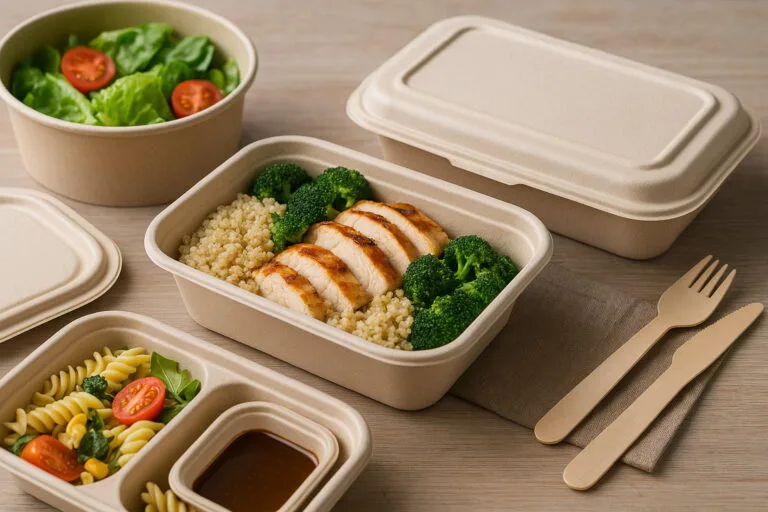
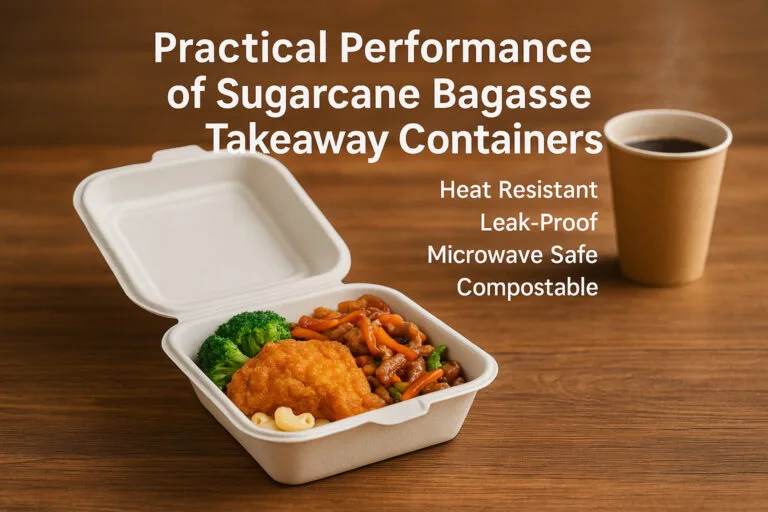
Eco-friendly takeaway containers also drive operational advantages: Better heat and oil performance Reduced leakage complaints More stable delivery quality Higher display quality for salads and cold meals Stronger lids and stacking efficiency for large orders Restaurants adopting premium biodegradable packaging often report a measurable drop in negative reviews and a rise in customer satisfaction. What Makes a Takeaway Container “Eco-Friendly”?
3. Temperature Behavior
Temperature shifts affect container rigidity, lid seal strength, and moisture management.A proper container must handle transitions such as: 90°C soup → delivery cooling → reheating 4°C salad → warm environment → customer fridge Crispy food → steam release → retention of crunch — takeaway food containers.