The 2025 Buyer’s Guide To Sustainable Sugarcane Byproducts | Bioleader® Sustainable Packaging

Actionable coverage of sustainable sugarcane byproducts: eco-friendly, biodegradable, compostable materials, performance data, and compliance under EN13432 & ASTM D6400. Includes BPI/TÜV references and Food-Contact Tested guidance for safe deployment. Buyer-focused: manufacturer insights, bulk/wholesale buying playbooks, OEM/ODM customization tips, full size range selection.

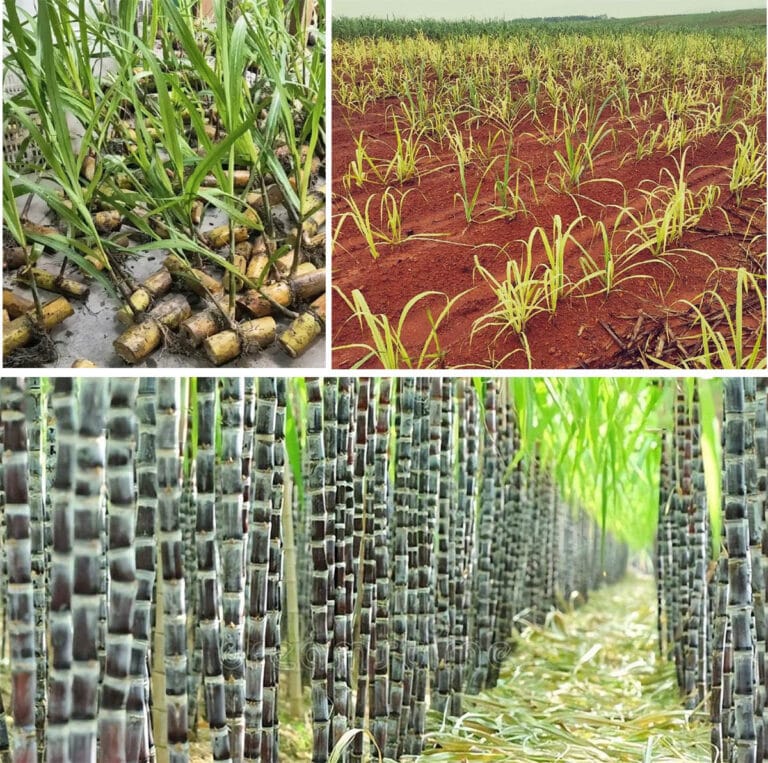
Sugarcane, a towering tropical grass, is renowned not only for its pivotal role in sugar production but also for its remarkable growth rate. Understanding the factors that influence sugarcane’s rapid development is essential for optimizing yields and ensuring sustainable cultivation practices. This comprehensive exploration delves into the growth dynamics of sugarcane examines the scientific principles underpinning its swift development, and highlights innovative products derived from sugarcane bagasse, the fibrous residue left after juice extraction.

sustainable sugarcane byproducts — Quick Summary
  • Items displayed (articles): 12
  • Last updated: 2025-02-22
  • Includes test data, compliance guides, buyer FAQs, and real-world use cases.

Editor’s Picks: Top Sustainable Sugarcane Byproducts Guides 2026

FAQ of Bioleader's Eco-friendly Disposable Tableware

2. Are bagasse trays safe for hot and cold foods?

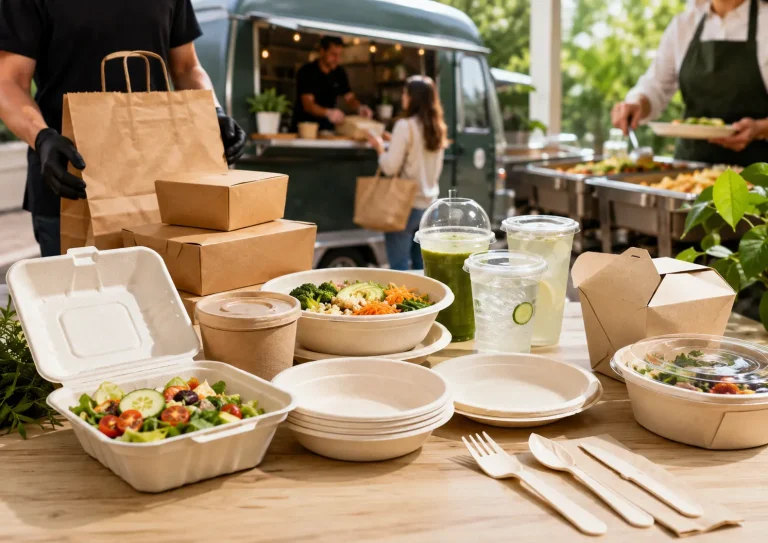
Yes. Bagasse trays are heat-resistant up to 120°C and freezer-safe, making them suitable for both hot meals and cold items. They are commonly used for takeout, school lunches, airline catering, and meal prep.

1. What are bagasse food trays made from?

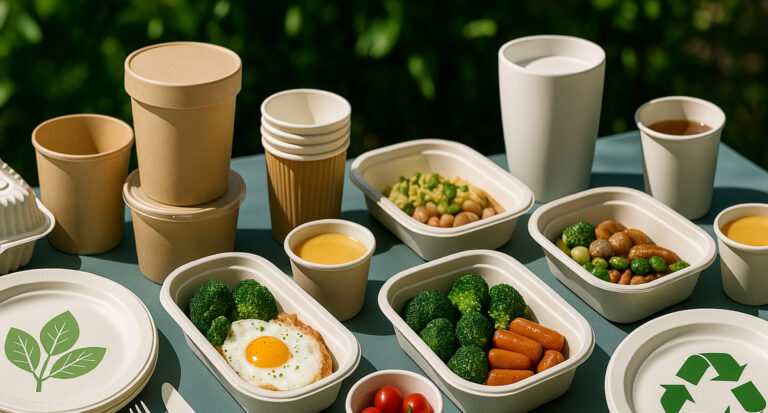
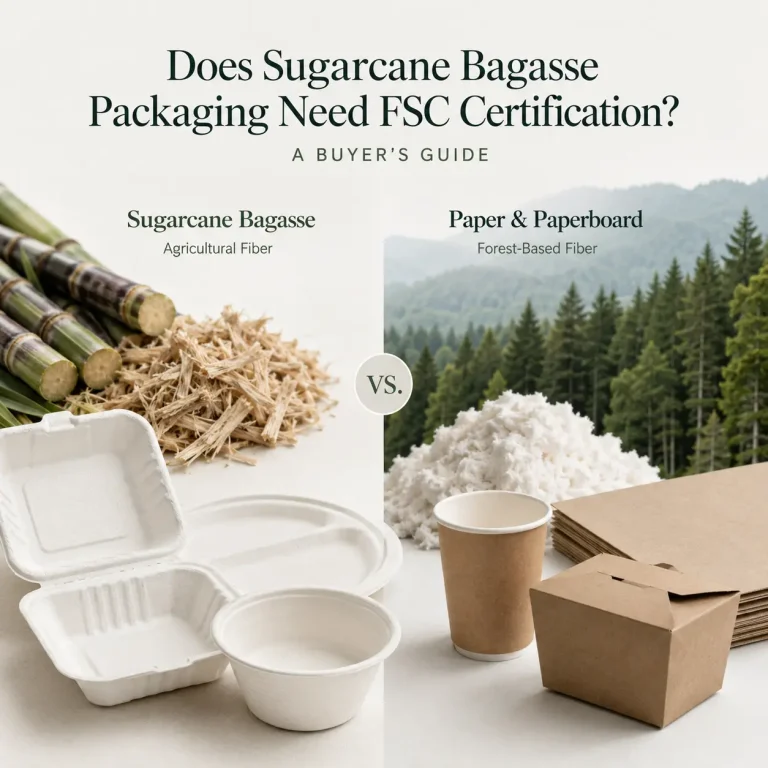
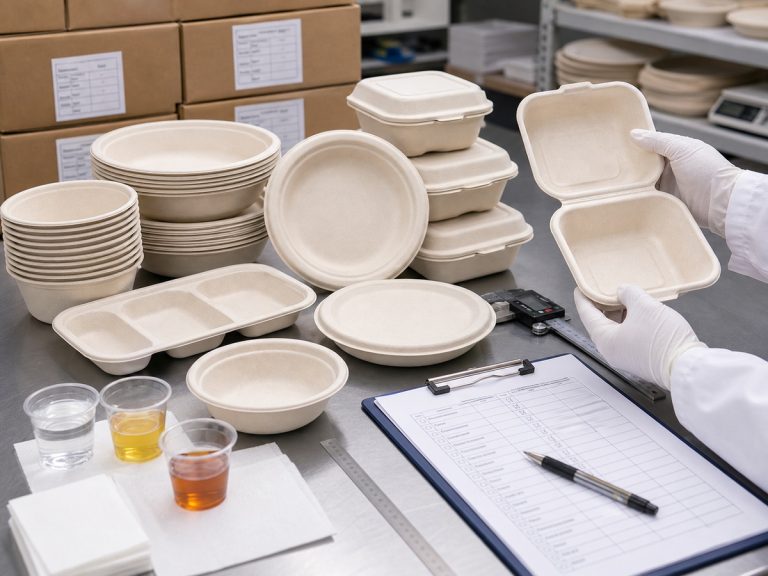
Bagasse food trays are made from the fibrous residue left after extracting juice from sugarcane. This renewable material is molded into sturdy, compostable trays, providing an eco-friendly alternative to plastic or foam trays.

Eco Friendly, Compostable, and Biodegradable

Our bagasse food trays are 100% compostable trays and biodegradable trays. They decompose naturally within a few months, reducing the burden on landfills and supporting circular waste management practices , sustainable sugarcane byproducts. Customers increasingly value this attribute, aligning their purchasing decisions with eco-friendly initiatives.

How does genetic variability affect sugarcane growth?

Genetic variability plays a crucial role in sugarcane growth — sustainable sugarcane byproducts. Different cultivars have varying responses to environmental stimuli, which can significantly impact their growth rates , sustainable sugarcane byproducts. For example, drought-tolerant cultivars can maintain robust growth even under water-deficit conditions.

How do agricultural practices influence sugarcane productivity?

Agricultural practices, including the application of fertilizers and bioregulators, are instrumental in enhancing sugarcane productivity. Proper fertilization can significantly improve sugarcane production, juice quality, and sugar yield.

Related Insights

🚀Ready to Go Green and Choose ?

Join the global movement toward zero-waste packaging.


Bioleader® offers:

  • 📦 Bulk order support & fast delivery

  • ✍️ Custom branding and OEM solutions

  • 🌍 Worldwide eco-packaging compliance

Get the Catalogue Products List  & Contact Us Now! 👉

Contact us Below

Click or drag files to this area to upload.You can upload up to 5 files.
The more details you share, the faster and more accurate our quotation will be.