Sustainable Dining Vs Alternatives: Cost, Performance, Sustainability | Bioleader® Guides
Actionable coverage of Sustainable Dining: eco-friendly, biodegradable, compostable materials, performance data, and compliance under EN13432 & ASTM D6400. Includes BPI/TÜV references and Food-Contact Tested guidance for safe deployment. Buyer-focused: manufacturer insights, bulk/wholesale buying playbooks, OEM/ODM customization tips, full size range selection.
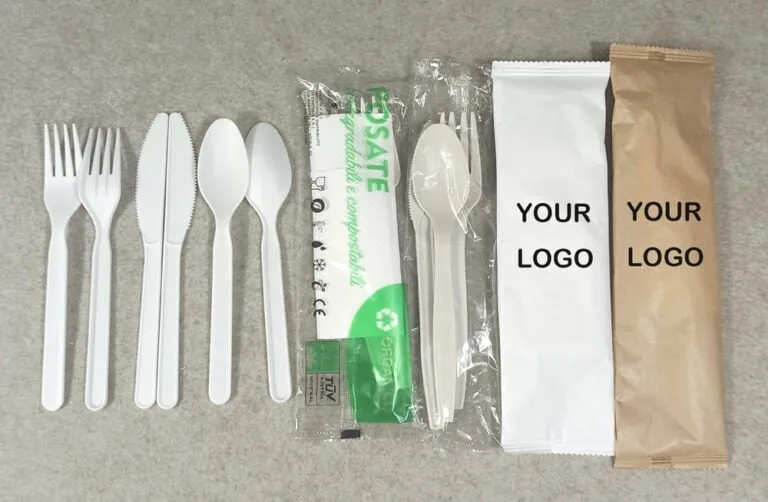
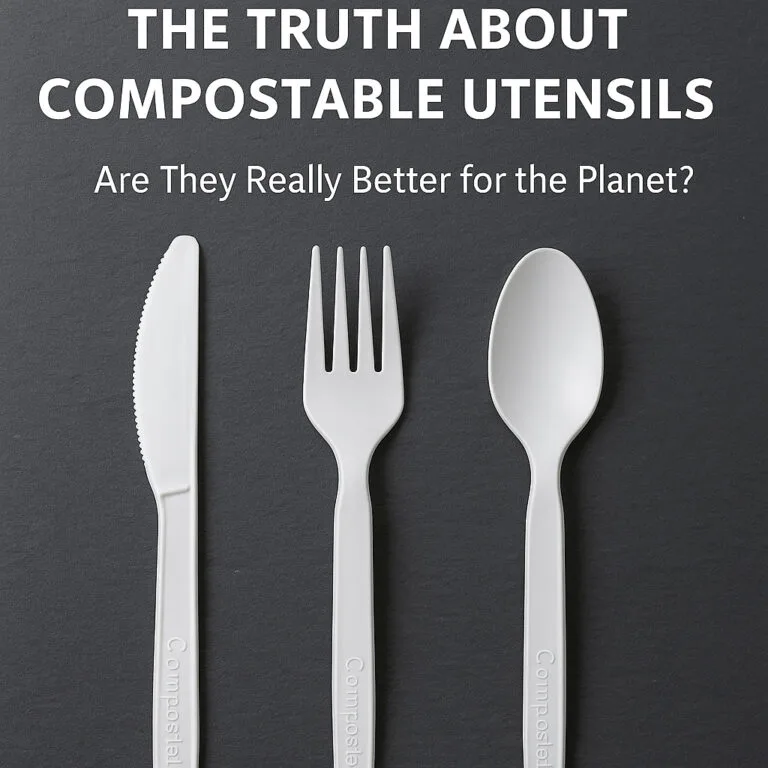
Across the globe, businesses and consumers are facing mounting pressure to ditch single-use plastics. In response, compostable cutlery—spoons, forks, and knives made from biobased materials—has become a major trend in foodservice, hospitality, and takeaway packaging. But how much of the hype is justified? Are these utensils truly better for the environment, and what are the real-world challenges and opportunities in adopting them?
Sustainable Dining — Quick Summary
Items displayed (articles): 12
Last updated: 2025-05-31
Includes test data, compliance guides, buyer FAQs, and real-world use cases.
FAQ of Bioleader's Eco-friendly Disposable Tableware
Is it really compostable?
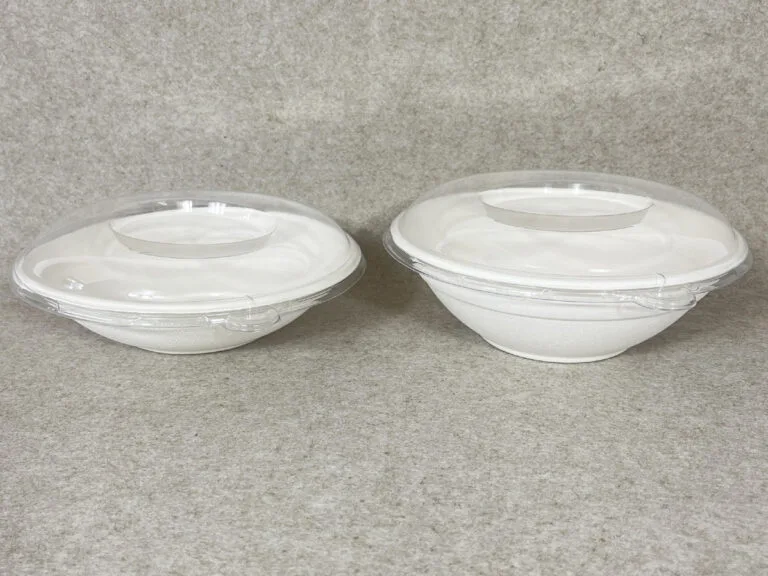
Yes, these salad bowls compostable are made from biodegradable materials such as kraft paper and white cardboard paper which allow it to biodegrade when discarded appropriately , Sustainable Dining.
How many sizes of the product can I get?
The compostable salad bowls are within the capacity range of 500 and 1500 ml (8 oz-48 oz), Availing variety for the mass.
Are they safe for microwave heating?
Yes, these compostable bowls can be used in the microwave to reheat the food in the same container in which it was packed.
Are paper plates biodegradable and compostable?
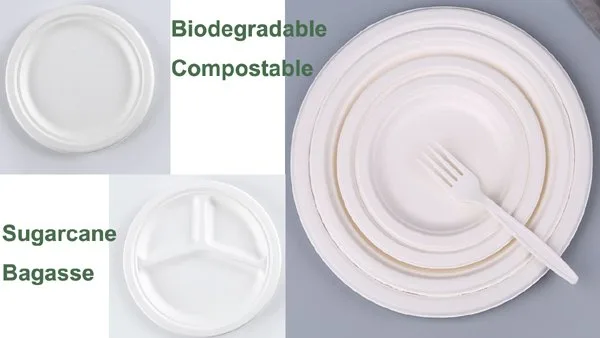
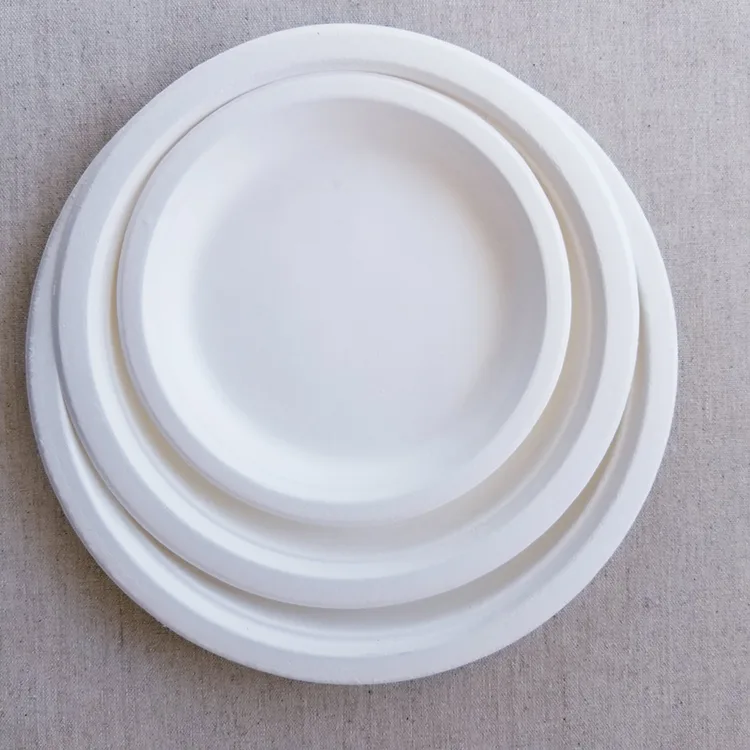
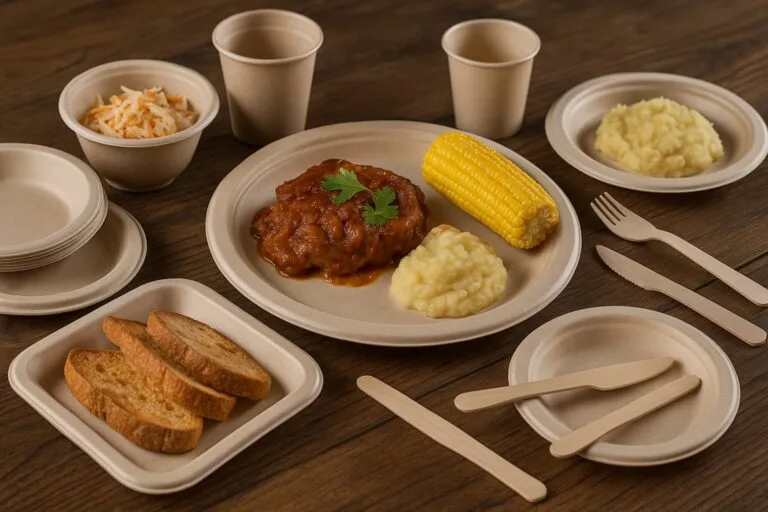
Yes, uncoated or compostable-coated paper plates made from natural fibers like bagasse or recycled paper are both biodegradable and compostable under proper conditions.
Advantages of Bagasse Plates
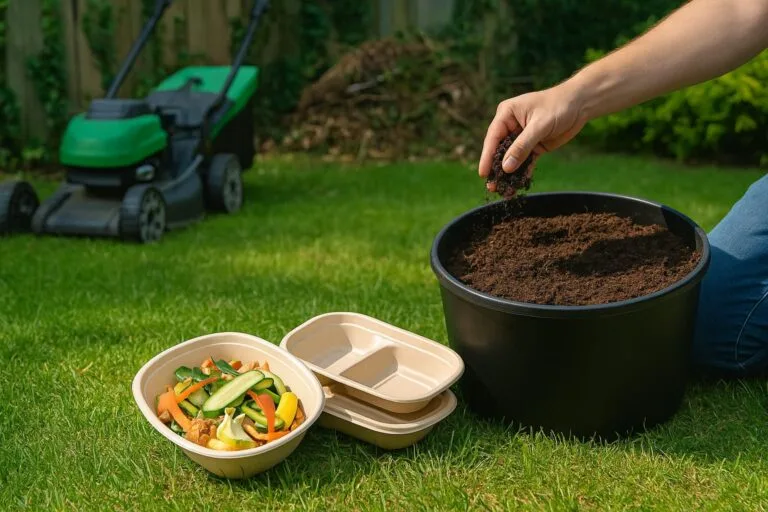
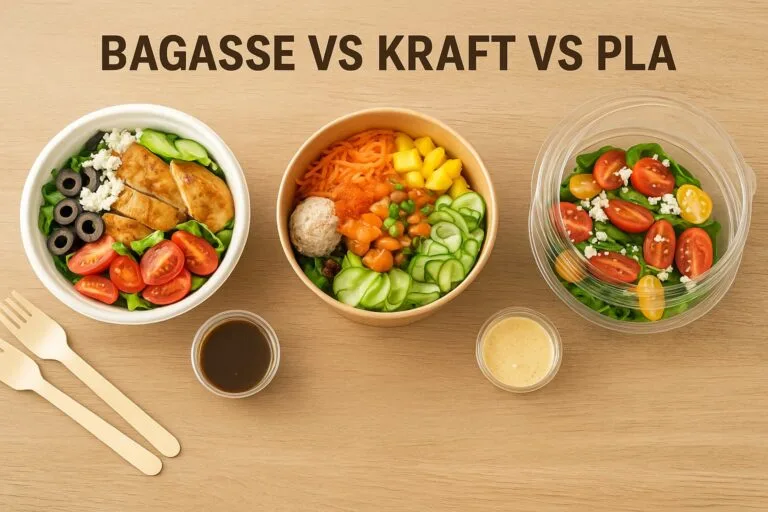
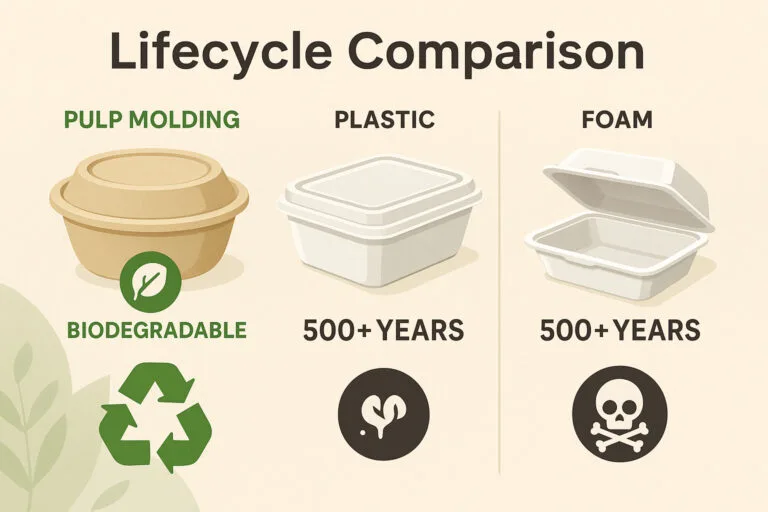
Bagasse plates offer several notable benefits: Sustainability:By converting agricultural waste into functional products, bagasse plates reduce the need for virgin raw materials and help mitigate deforestation pressures. This sustainable approach not only optimizes resource use but also adds value to what was once discarded. Rapid Biodegradation:Under controlled composting conditions, bagasse plates typically decompose within 60 to 90 days — Sustainable Dining. This rapid degradation ensures that, unlike plastic plates, they do not accumulate in landfills or contribute to long-term pollution — Sustainable Dining.