FAQ of Bioleader's Eco-friendly Disposable Tableware
Why are compostable sporks considered better for the environment?
Compostable sporks reduce reliance on petroleum-based plastics, break down naturally without leaving microplastics, and support a circular economy by turning waste into compost.
Are there eco-friendly options for individually wrapped cutlery?
Yes, in addition to traditional plastic, there are biodegradable and compostable individually wrapped cutlery options available to support sustainability goals — single-use plastic ban.
What materials are biodegradable plastic forks and spoons made from?
Biodegradable plastic forks and spoons are usually made from plant-based bioplastics such as cornstarch, PLA, or CPLA, which naturally break down in composting conditions.
Disadvantages of Plastic Food Containers
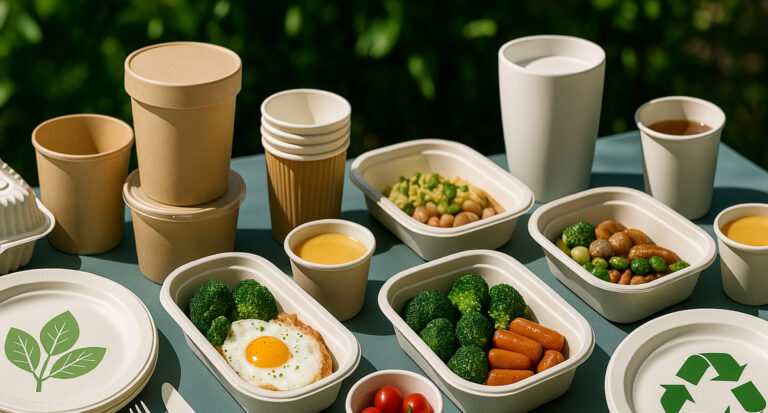
Non-Biodegradable and Persistent WasteMost plastic containers take hundreds of years to decompose, contributing to landfills, ocean pollution, and microplastic contamination. Environmental PollutionPlastic waste has become one of the biggest global environmental crises, with millions of tons ending up in waterways and marine ecosystems — single-use plastic ban. Health ConcernsCertain plastics contain harmful chemicals, such as BPA, which can leach into food and pose potential health risks. Plastic food containers Plastic containers Which Food Packaging Option is More Sustainable?
Advantages of Plastic Food Containers
Durability and StrengthPlastic containers are highly durable and can withstand impact, making them ideal for transportation and storage. Lightweight and PortablePlastic is extremely lightweight, reducing shipping and logistics costs while providing convenience for consumers. Extended Food Shelf LifePlastic has superior moisture and oxygen barrier properties, which help prevent food spoilage and reduce waste , single-use plastic ban. Cost-EffectiveDue to mass production, plastic containers are significantly cheaper than biodegradable alternatives.