Single-use Plastic Ban: A Complete Overview | Bioleader® Insights

Actionable coverage of single-use plastic ban: eco-friendly, biodegradable, compostable materials, performance data, and compliance under EN13432 & ASTM D6400. Includes BPI/TÜV references and Food-Contact Tested guidance for safe deployment. Buyer-focused: manufacturer insights, bulk/wholesale buying playbooks, OEM/ODM customization tips, full size range selection.
single-use plastic ban — Quick Summary
  • Items displayed (articles): 12
  • Last updated: 2025-02-08
  • Includes test data, compliance guides, buyer FAQs, and real-world use cases.

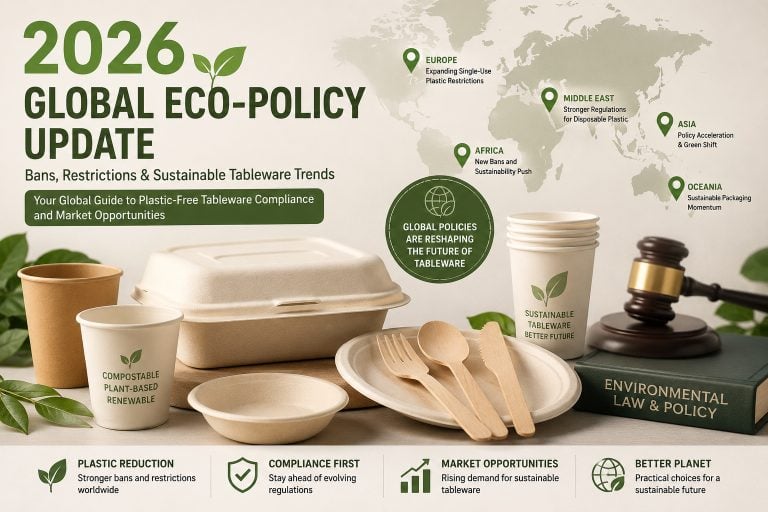
Editor’s Picks: Top Single-use Plastic Ban Guides 2026

FAQ of Bioleader's Eco-friendly Disposable Tableware

2. Are compostable food trays microwave-safe?

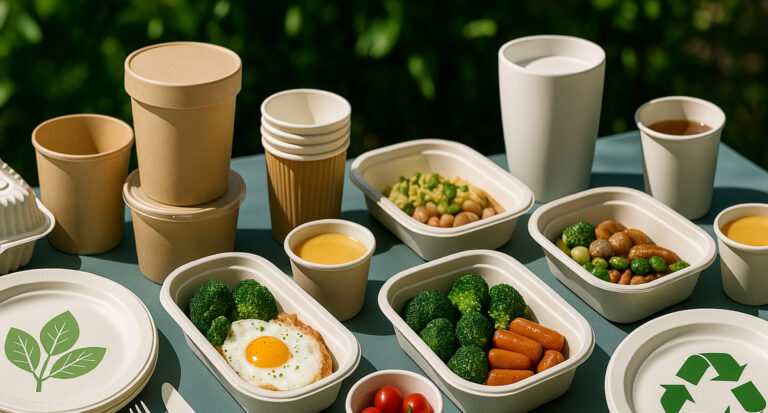
Yes, most compostable food trays made from bagasse or sugarcane pulp are microwave-safe — single-use plastic ban. They can safely withstand typical microwave heating conditions without releasing harmful substances or losing structural integrity.

For Takeaway, Restaurants, and Food Delivery

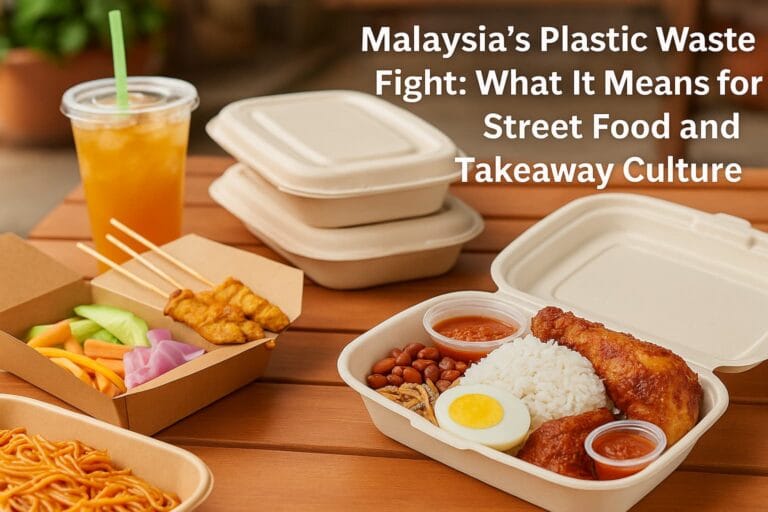
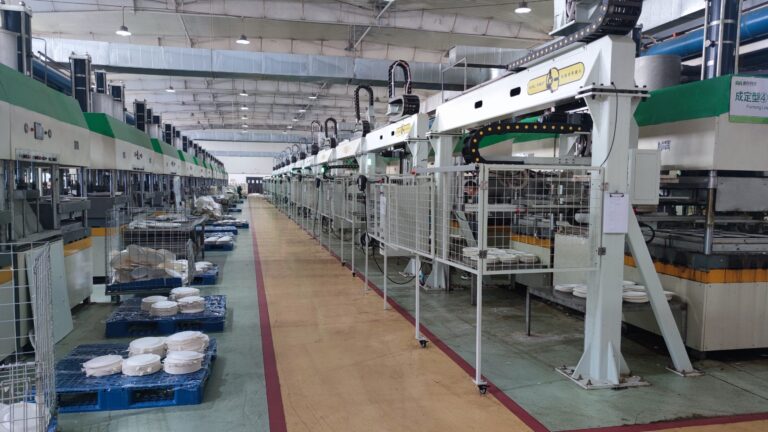
Molded pulp trays are perfect for takeaway, restaurant packaging, and food delivery. Their eco-friendly properties enhance brand reputation, while their practical features ensure reliable food containment. Whether for individual meals or bulk catering, bagasse pulp trays are designed to perform without compromising on sustainability. Meeting Consumer Demand for Green Packaging As a Chinese factory and manufacturer, we offer high-quality molded pulp trays at competitive wholesale prices.

Ensure safety with products that are free of PFAS and BPA

Health comes first. Safety is further guaranteed when you’ve got our trays with lids that don’t have PFAS and BPA in them, two neatly packed chemicals that bring peace to the consumer as they do not have any synthetic materials that pose health risks , single-use plastic ban. So, you know that our products are safe and clean when it comes to packaging and using them.

Disadvantages of Bagasse Containers

Higher Production CostsCompared to plastic, bagasse packaging is currently more expensive due to its production process and limited large-scale manufacturing facilities. Lower Barrier PropertiesBagasse does not provide the same level of moisture and oxygen barrier as plastic, which may impact food shelf life — single-use plastic ban. Sugarcane Bagasse Food Container Bagasse Clamshell Boxes Containers Sugarcane Bagasse Takeout to Go Container Boxes Sugarcane Bagasse Takeout Containers   What is a Plastic Container? Plastic food containers are made from petroleum-based polymers such as polyethylene (PE), polypropylene (PP), and polyethylene terephthalate (PET).

Reference Source List:

“Biodegradability of Sugarcane Bagasse-based Materials” – ResearchGate “The Environmental Impact of Plastic Packaging” – ScienceDirect “Comparison of Biodegradable and Plastic Packaging: A Lifecycle Analysis” – Journal of Sustainable Materials “Microplastic Contamination in Food Packaging” – Environmental Research Journal “The Future of Sustainable Packaging: Trends and Innovations” – Forbes “Government Regulations on Plastic Bans” – World Economic Forum “The Rise of Compostable Packaging in the Food Industry” – National Geographic { “@context”: “https://schema.org”, “@type”: “FAQPage”, “mainEntity”: [ { “@type”: “Question”, “name”: “What is bagasse, and how is it used in food packaging?”, “acceptedAnswer”: { “@type”: “Answer”, “text”: “Bagasse is the fibrous residue left after extracting juice from sugarcane. Instead of being discarded as waste, it is repurposed to create biodegradable and compostable food containers, offering a sustainable alternative to plastic packaging.” }}, { “@type”: “Question”, “name”: “Are bagasse food containers safe for hot and cold foods?”, “acceptedAnswer”: { “@type”: “Answer”, “text”: “Yes, bagasse containers are heat-resistant and safe for hot and cold foods. They can be used in microwaves and freezers without compromising their structural integrity or safety.” } }, { “@type”: “Question”, “name”: “How long does it take for a bagasse container to decompose?”, “acceptedAnswer”: { “@type”: “Answer”, “text”: “Under industrial composting conditions, bagasse containers typically decompose within 60 to 90 days. In natural environments, the breakdown time may vary depending on temperature, moisture, and microbial activity.” } }, { “@type”: “Question”, “name”: “How do bagasse containers compare to plastic in terms of cost?”, “acceptedAnswer”: { “@type”: “Answer”, “text”: “Bagasse containers are currently more expensive than plastic due to production processes and limited large-scale manufacturing.

Related Insights

🚀Ready to Go Green and Choose ?

Join the global movement toward zero-waste packaging.


Bioleader® offers:

  • 📦 Bulk order support & fast delivery

  • ✍️ Custom branding and OEM solutions

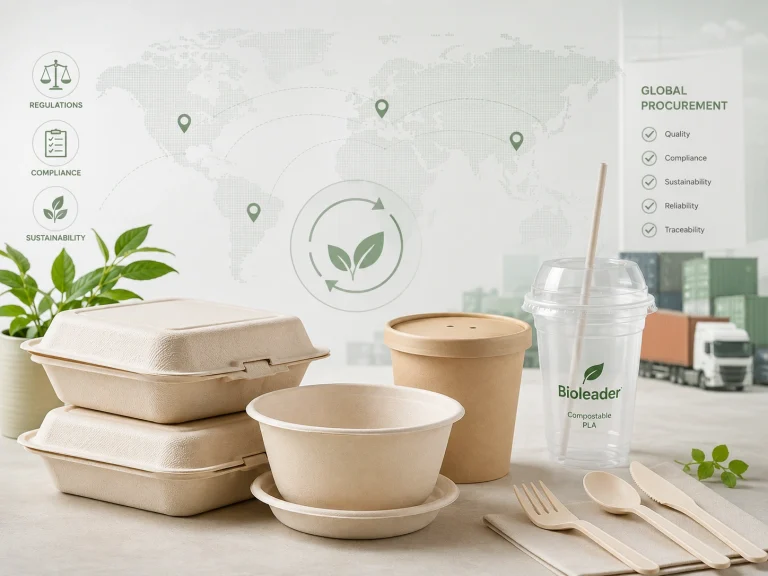
  • 🌍 Worldwide eco-packaging compliance

Get the Catalogue Products List  & Contact Us Now! 👉

Contact us Below

Click or drag files to this area to upload.You can upload up to 5 files.
The more details you share, the faster and more accurate our quotation will be.