Guide To SGE: Materials, Standards & Best Practices | Bioleader® Guides
Actionable coverage of SGE: eco-friendly, biodegradable, compostable materials, performance data, and compliance under EN13432 & ASTM D6400. Includes BPI/TÜV references and Food-Contact Tested guidance for safe deployment. Buyer-focused: manufacturer insights, bulk/wholesale buying playbooks, OEM/ODM customization tips, full size range selection.
Quick Summary:
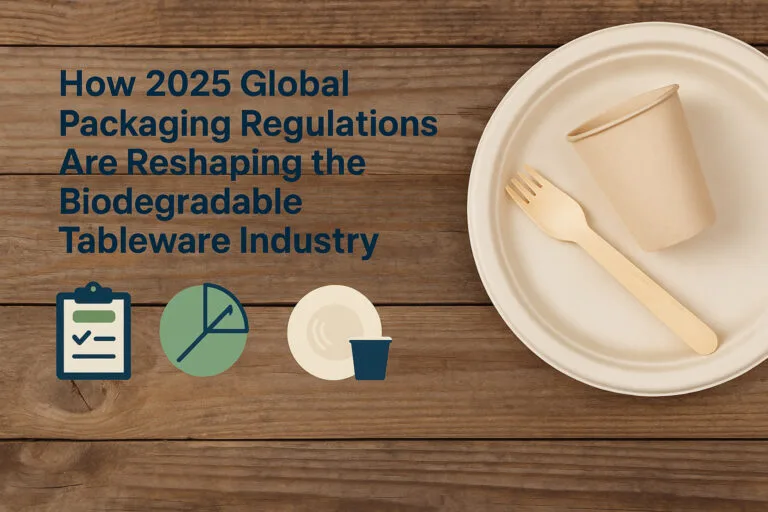
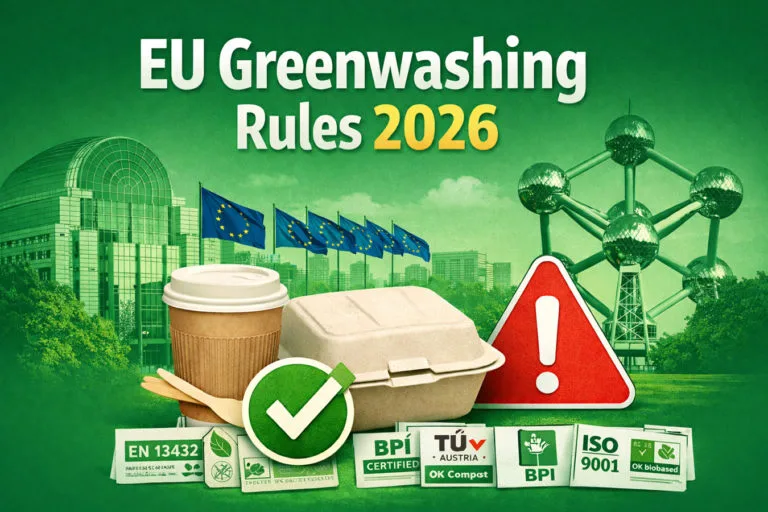
In 2025–2026, global regulations are reshaping the biodegradable tableware industry: from mandatory EN13432, ASTM D6400/BPI, and ISO certifications to strict EPR and compostable labeling laws across EU, US, Canada, APAC, and Japan. Brands that pair certified materials like bagasse, PLA, and PHA with digital traceability via QR-linked compliance and AI-powered export tools will lead—securing market access, consumer trust, and resilient growth in the era of regulatory scrutiny.
SGE — Quick Summary
Items displayed (articles): 12
Last updated: 2025-07-28
Includes test data, compliance guides, buyer FAQs, and real-world use cases.
FAQ of Bioleader's Eco-friendly Disposable Tableware
Do you offer the bowls with logo customization?
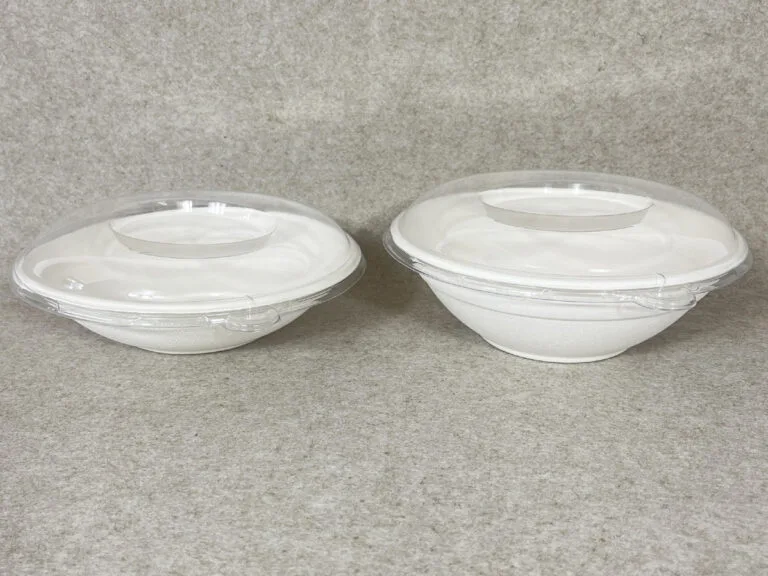
Certainly! We provide complete branding of our paper takeaway bowls, which includes brand logos and selection designs on the bowls. For details, please get in touch with us.
Is it really compostable?
Yes, these salad bowls compostable are made from biodegradable materials such as kraft paper and white cardboard paper which allow it to biodegrade when discarded appropriately.
Can I put them in the microwave?
Definetely, our takeaway bowls with lids are microwave safe hence this allows customers to reheat most of the meals without any structural compromises of the bowl — SGE.
Can I export biodegradable plates to the US without BPI certification?
No — SGE. In most US states, 'biodegradable' or 'compostable' tableware must be BPI-certified and comply with ASTM D6400. Unverified claims are illegal and products may be removed from the market , SGE.
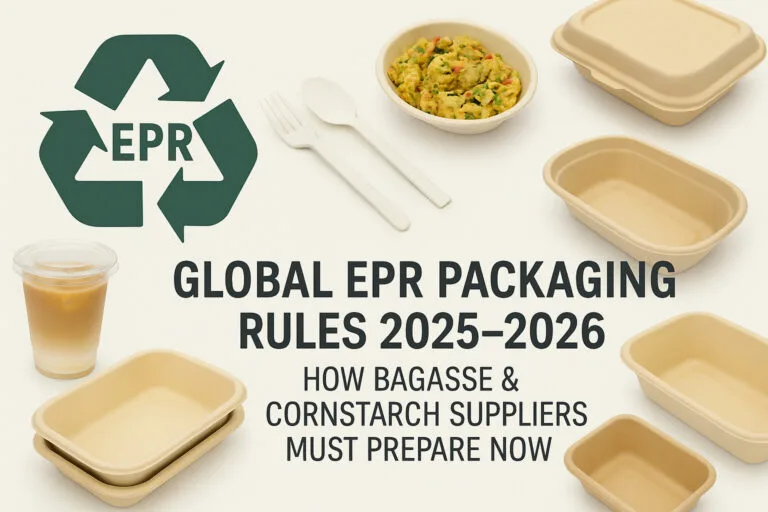
What is EPR, and how does it impact exporters?
EPR (Extended Producer Responsibility) is a regulatory system requiring producers/exporters to register, report, and take responsibility for their packaging waste in the market of sale. Without EPR registration, goods may be blocked at customs.