Quart Vs Pint Vs Alternatives: Cost, Performance, Sustainability | Bioleader® Guides

Actionable coverage of quart vs pint: eco-friendly, biodegradable, compostable materials, performance data, and compliance under EN13432 & ASTM D6400. Includes BPI/TÜV references and Food-Contact Tested guidance for safe deployment. Buyer-focused: manufacturer insights, bulk/wholesale buying playbooks, OEM/ODM customization tips, full size range selection.

Choosing the right packaging size is a vital part of foodservice, delivery, and retail success—especially as the market moves toward sustainability and global trade. Among all the units in use, “pint” and “quart” are the most frequently confused, leading to costly mistakes in packaging, labeling, and even customer satisfaction. If your business exports, sources, or designs biodegradable packaging for food and beverage, understanding these volume units is essential.

quart vs pint — Quick Summary
  • Items displayed (articles): 12
  • Last updated: 2025-07-15
  • Includes test data, compliance guides, buyer FAQs, and real-world use cases.

Editor’s Picks: Top Quart Vs Pint Guides 2026

FAQ of Bioleader's Eco-friendly Disposable Tableware

5. What certifications should I look for when buying from an eco tray factory?

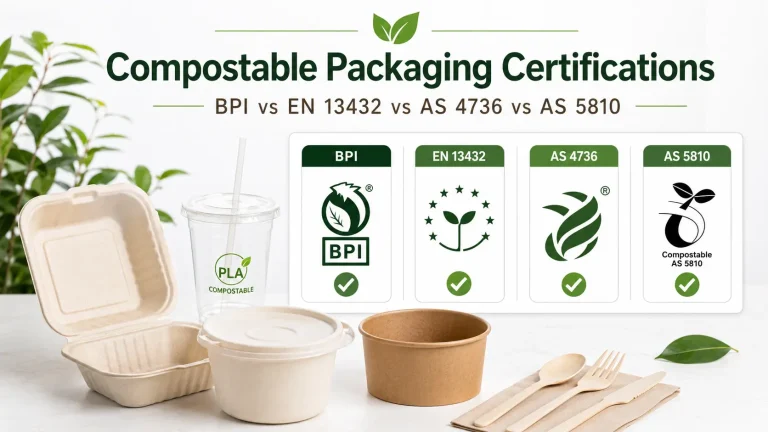
Reputable factories provide certifications such as OK Compost, BPI, TÜV Austria, EN13432, FDA, and LFGB , quart vs pint. These ensure the trays are compostable, food-safe, and compliant with international sustainability standards. Packaging Insight: Why Choose Bioleader® Eco-Friendly Trays with Lids for Sustainable Food Packaging How do Bioleader® eco-friendly trays combine performance with sustainability? Utilizing bagasse and other renewable fibers, these trays deliver sturdy, leak-resistant food packaging that withstands hot and cold meals, while being fully compostable — quart vs pint.

1. What are eco friendly trays with lids made from?

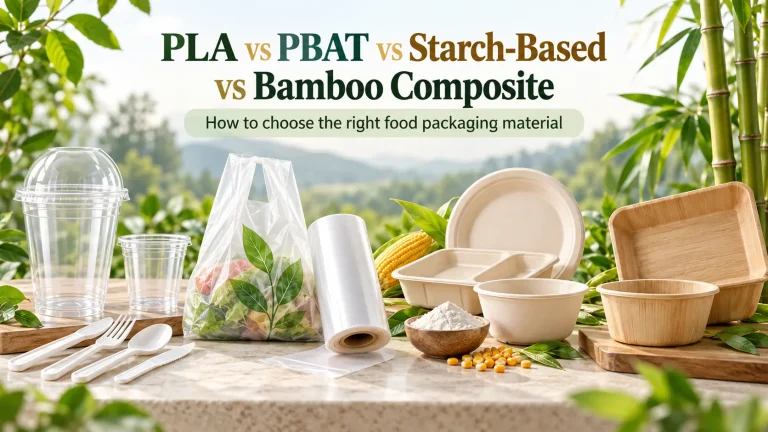
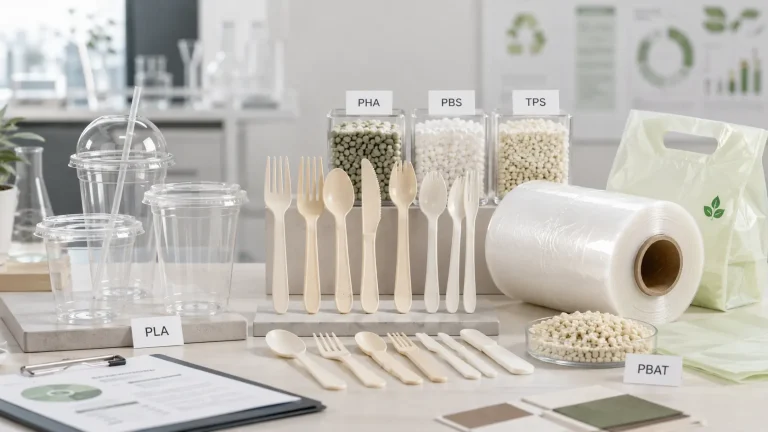
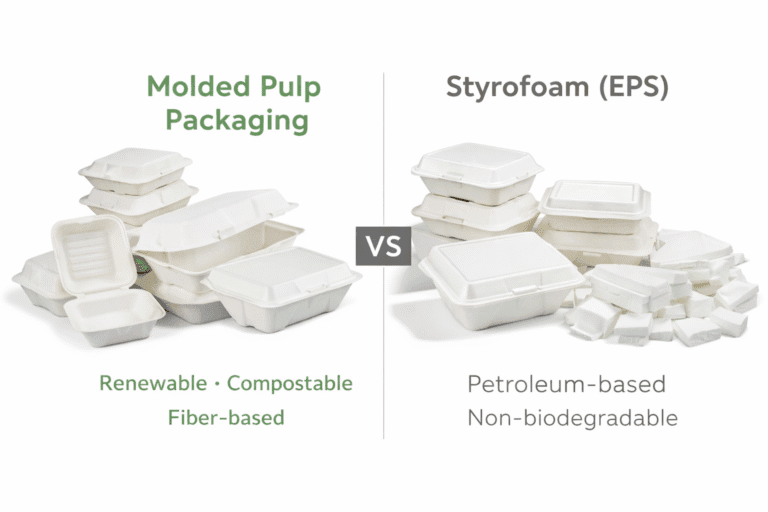
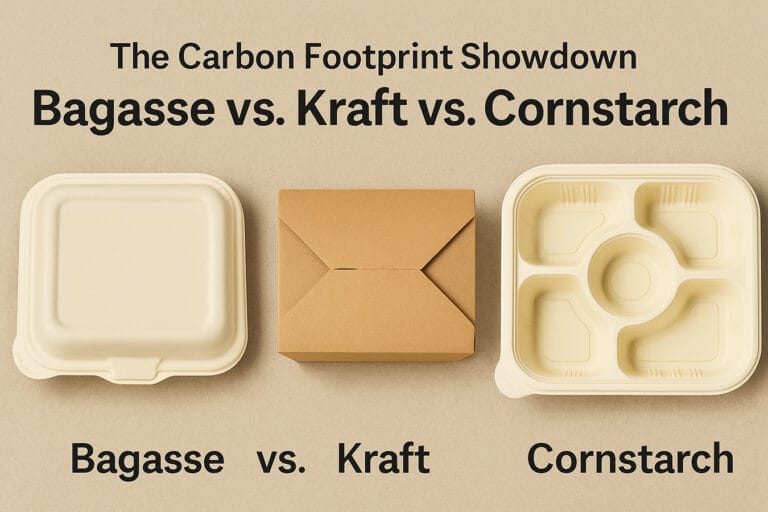
They are commonly made from compostable materials like sugarcane bagasse, bamboo fiber, kraft paper, or PLA (plant-based bioplastic). These materials are biodegradable and offer a sustainable alternative to plastic and foam trays.

1. What materials are commonly used for takeaway containers with lids?

Takeaway containers are made from a variety of materials including sugarcane bagasse, kraft paper, PLA bioplastics, PP plastic, and aluminum. For eco-friendly applications, compostable bagasse and PLA are the most sustainable choices , quart vs pint.

3. What’s the best way to label food containers for export?

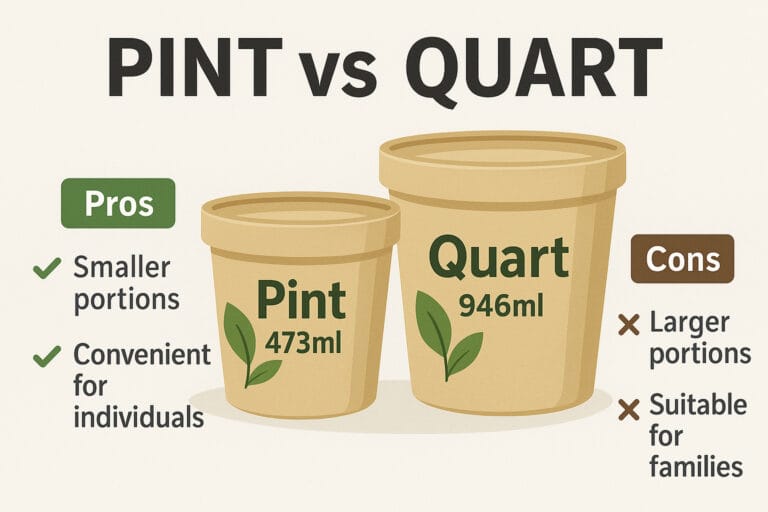
Use dual labeling (e.g., “473 ml / 1 US Pint”) and make sure local regulatory language is visible and accurate.

Key Compliance Notes:

In the US: “Pint” is 16oz by default; “Quart” is 32oz. In the UK and Canada: “Pint” is 20oz; “Quart” is 40oz, and laws may require accuracy (e.g., bar draft beer must be 568ml per pint). For export: Always double-check local legal standards, and include metric for clarity. 4.

Related Insights

🚀Ready to Go Green and Choose ?

Join the global movement toward zero-waste packaging.


Bioleader® offers:

  • 📦 Bulk order support & fast delivery

  • ✍️ Custom branding and OEM solutions

  • 🌍 Worldwide eco-packaging compliance

Get the Catalogue Products List  & Contact Us Now! 👉

Contact us Below

Click or drag files to this area to upload.You can upload up to 5 files.
The more details you share, the faster and more accurate our quotation will be.