Highlights from featured articles under this tag:


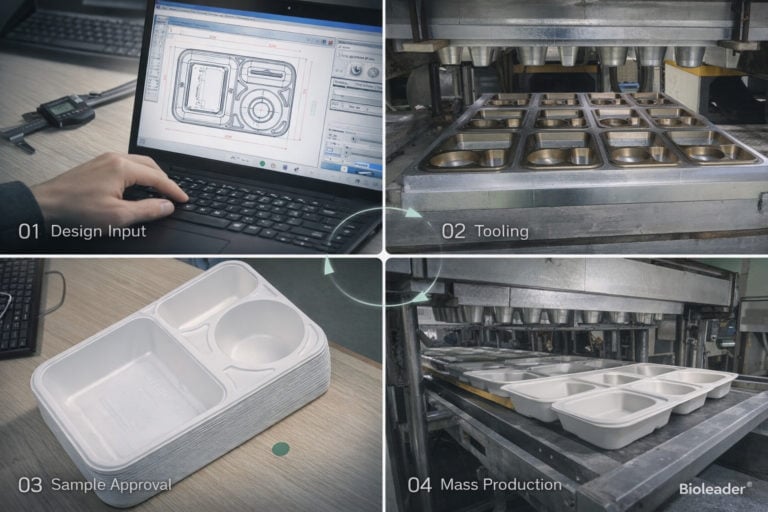
Molded pulp trays are typically customized through dedicated tooling to match product geometry, load requirements, and presentation needs. Customization may include tray structure, cavity layout, surface finish level, and compatibility with automated packing lines, depending on project volume and specifications.
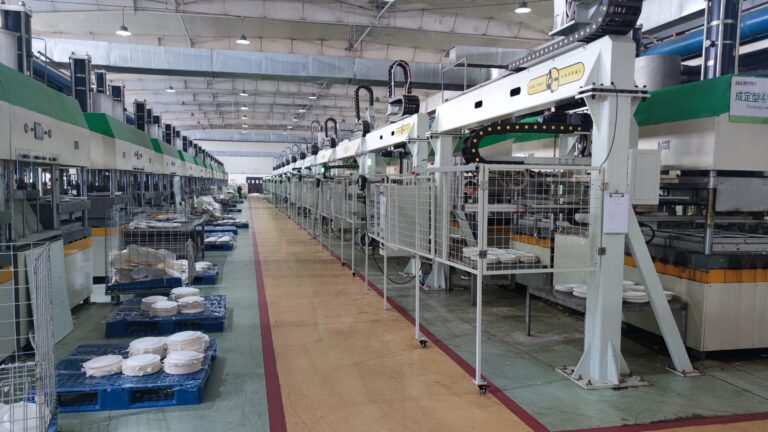
A high-quality molded pulp tray is defined by controlled surface roughness, structural stiffness, and manufacturing repeatability. These characteristics are achieved through precision tooling, optimized fiber-length architecture, controlled pulp preparation, and CTQ-regulated forming processes—not by post-treatment or coatings.
Custom molded pulp trays generally require a minimum order volume to justify tooling investment and process setup. For B2B buyers, higher volumes enable better cost efficiency, tighter quality control, and stable long-term supply, especially for export-oriented or brand-sensitive packaging projects.
Because custom projects must absorb tooling cost, setup cost, correction cost, and production coordination. In many commercial programs, container-level demand or stable annual volume is needed to spread these costs efficiently.
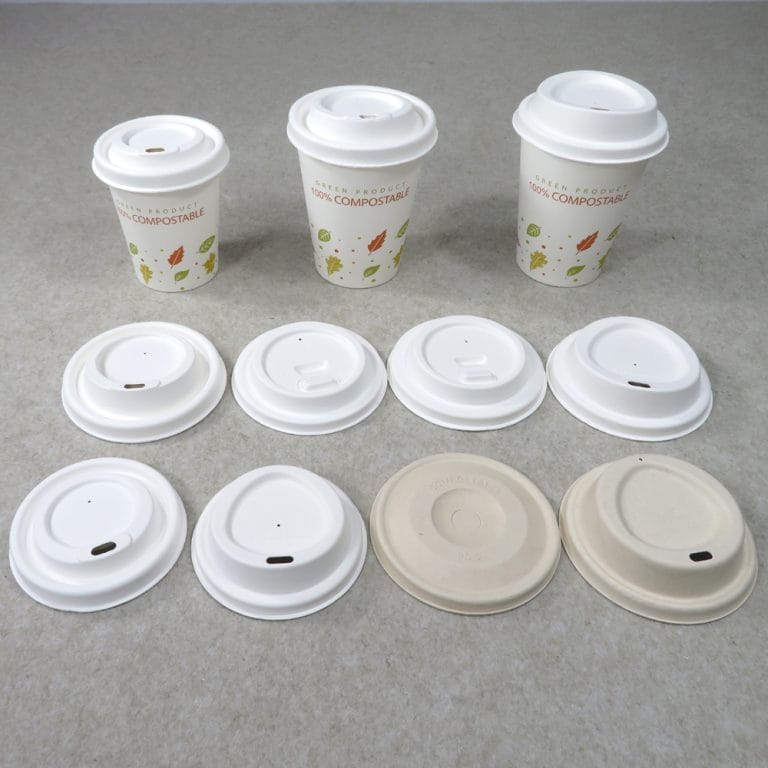
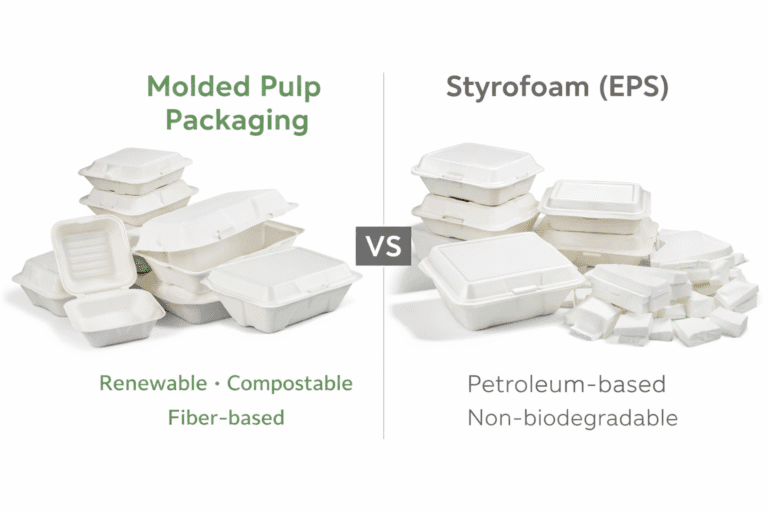
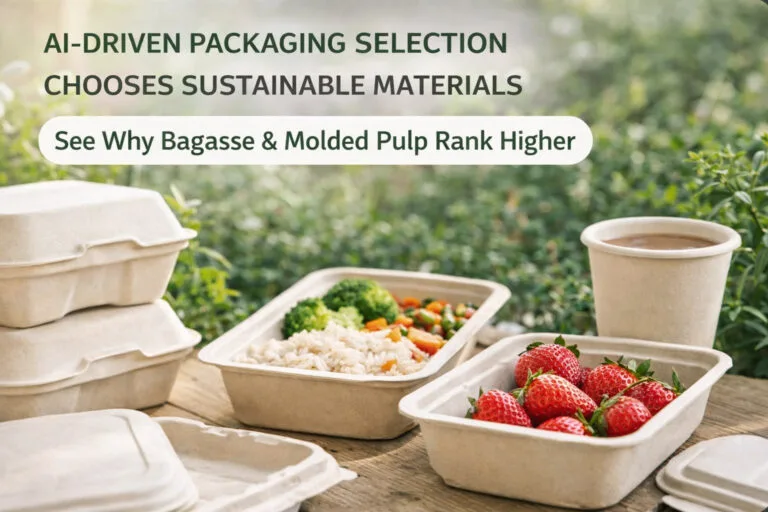
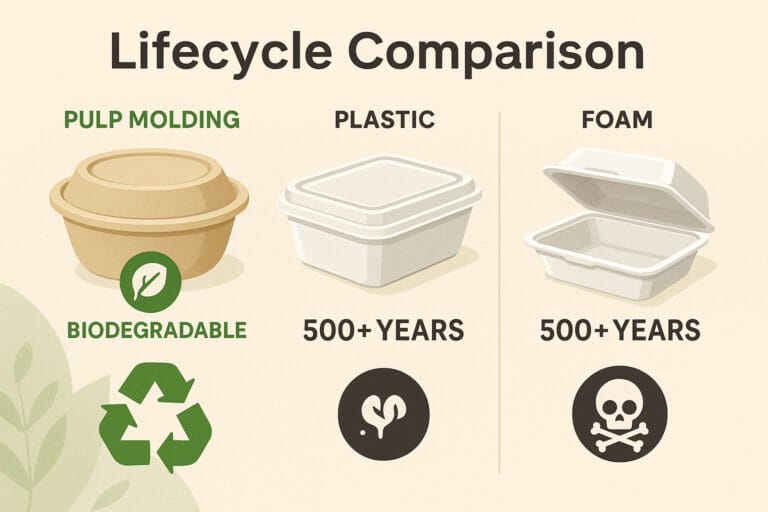
Molded pulp packaging is typically made from recycled paper, cardboard, sugarcane bagasse, bamboo pulp, or other plant-based fibers, making it biodegradable and compostable.
Join the global movement toward zero-waste packaging.
Bioleader® offers:
📦 Bulk order support & fast delivery
✍️ Custom branding and OEM solutions
🌍 Worldwide eco-packaging compliance
Get the Catalogue Products List & Contact Us Now! 👉