Have you ever experienced the frustration of cracking or shattering plates when placing them in the oven? Surprisingly, research indicates that only about 20% of plates labeled “oven safe” reliably withstand oven temperatures. If you frequently cook, bake, or warm dishes, using genuinely oven safe plates can significantly enhance your kitchen experience, ensuring both safety and durability. This article explores which plates truly pass the oven-safe test, highlights various plate materials, provides expert insights, scientific data, and practical case studies, and addresses common questions about oven-safe plates.


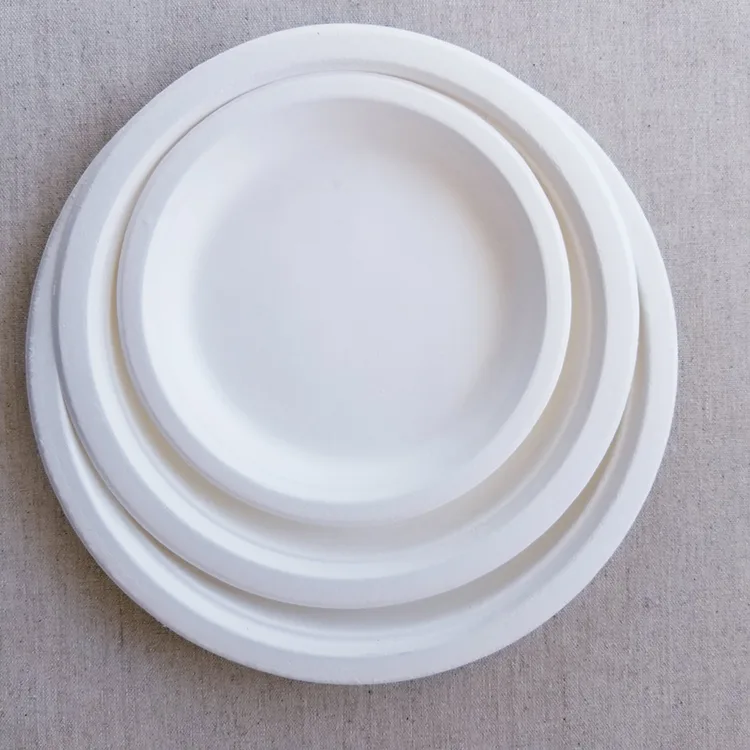
Our company’s biodegradable bowls are made of materials that allow biodegradation such as kraft paper and cardboard paper. Sturdy and durable kraft paper is opaque and gives the kraft paper a natural aesthetic that consumers in this era should gorge on — Plate Buying Guide. White cardboard paper helps to enhance this look while ensuring that the bowl remains strong — Plate Buying Guide. Even these materials are 100% bio-degradable, hence these disposable biodegradable bowls will decompose within a short time after disposal to reduce pollution — Plate Buying Guide.
Yes, there is the option of full customization including branding. Please reach out to us to discuss the possibilities of branding our bowls.
Absolutely. Such paper food containers are good for salads frozen desserts and other cold foods.
Safe reheating and cooking practices Reduced risks of kitchen injuries Extended lifespan of dinnerware Improved presentation and dining experience oven safe plates 500 degrees Common Types of Plates and Their Oven Suitability When it comes to choosing oven-safe plates, understanding the material composition is critical. Many consumers mistakenly assume that all plates can withstand high temperatures, but only a few are truly oven-safe—especially at extreme temperatures like 500 degrees Fahrenheit. Below is a comprehensive breakdown of common plate types, their features, and their suitability for oven use.
Oven Safe: ✅ With conditions Typical Safe Temperature: Up to 450–500°F (232–260°C) Details: Most ceramic plates, including porcelain and stoneware, are considered oven-safe plates as long as they are marked as such by the manufacturer. These materials handle gradual temperature increases well. Risk: Thermal shock (cracking when placed into a hot oven from the fridge), and some decorative glazes may contain materials that degrade under heat.
Join the global movement toward zero-waste packaging.
Bioleader® offers:
📦 Bulk order support & fast delivery
✍️ Custom branding and OEM solutions
🌍 Worldwide eco-packaging compliance
Get the Catalogue Products List & Contact Us Now! 👉
📧 Email : info@bioleaderpack.com
📲 WhatsApp : +86-15980856610
🟢 Wechat : bioleader
📍 Add : No.39 Xinglong Road, Xiamen, China
Copyright © 2015–2026 Xiamen Bioleader Environmental Protection Co., Ltd | All Rights Reserved. Privacy Policy | AI Policy | Sitemap
Welcome to Bioleader Pack! 🌿
👉 Get a Quick Quote, Customized & Sample Details. We're online to help with your sourcing needs!
📩 Need Catalog & Price List? Email us: info@bioleaderpack.com
⏰ Response within 6-12 hours.
(Due to timezone differences, if we're away, please email us or leave a message.)
Response time: < 8h | Catalog List
WhatsApp us