FAQ of Bioleader's Eco-friendly Disposable Tableware
What is BPI compostable cutlery made from?
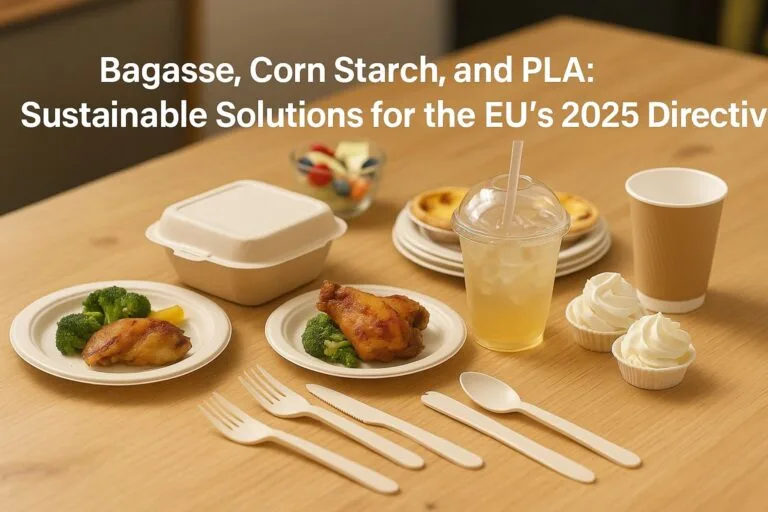
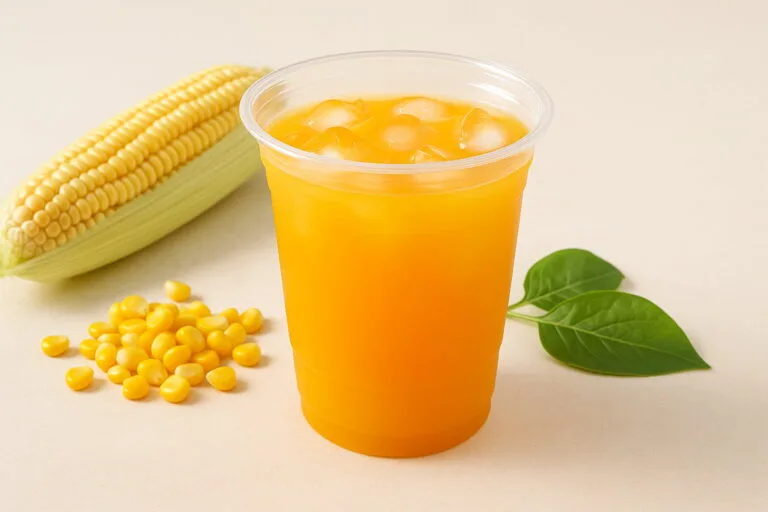
BPI compostable cutlery is typically made from plant-based materials such as cornstarch, PLA, or other renewable bioplastics that fully biodegrade under commercial composting conditions.
What features do biodegradable disposable spoons and forks offer?
With customizable packaging options and a range of features such as heat resistance, safety, and cost-effectiveness, they cater to various uses—from outdoor events to everyday dining.
Is individually wrapped cutlery suitable for outdoor events and travel?
Absolutely. The individual packaging keeps the cutlery clean and ready to use, making it ideal for outdoor parties, picnics, travel, and catering services.
2.2 Areas of High Plastic Usage
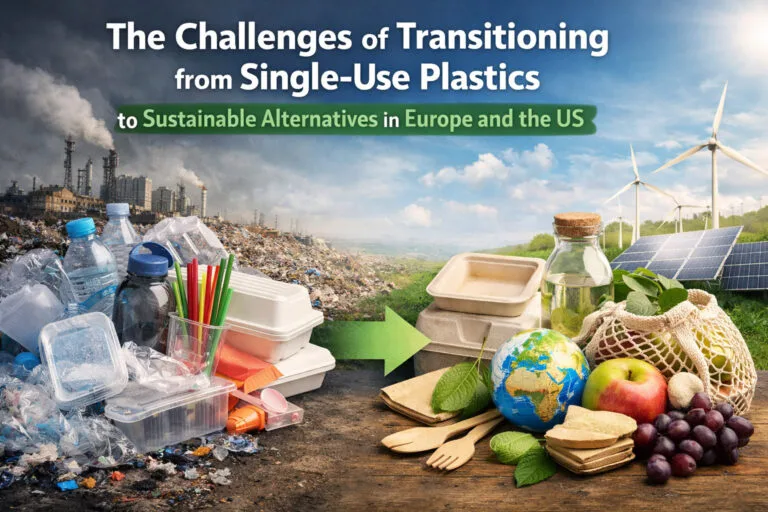
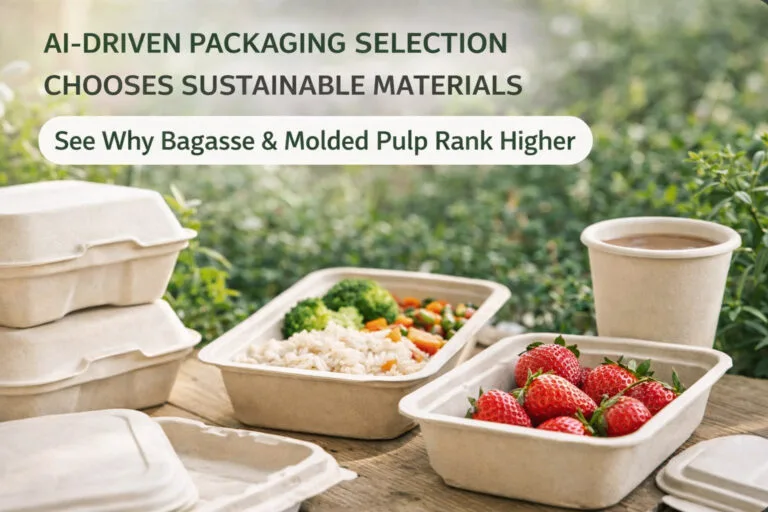
In these regions, specific areas of high plastic consumption include: Single-Use Food Containers: With the rise in food delivery services, the demand for single-use plastic food containers has increased exponentially. Plastic Straws and Cutlery: While many businesses are transitioning to biodegradable alternatives, plastic straws and cutlery remain prevalent in the U.S. and Europe, especially in the fast-food and takeout sectors. Plastic Packaging for Produce: Fruits and vegetables are often sold in plastic trays or wrapped in plastic, which creates significant waste in both markets.
3.1 Economic Barriers: Cost of Transitioning to Sustainable Alternatives
One of the most significant challenges in the transition to sustainable tableware and packaging is the economic cost. Currently, many biodegradable and compostable materials, such as those made from PLA (Polylactic Acid) or bagasse (sugarcane pulp), are more expensive than conventional plastic products — plastic-free future. The initial investment for manufacturers to switch to alternative materials can be substantial , plastic-free future. A study by the Ellen MacArthur Foundation shows that, while the price of biodegradable materials is gradually decreasing due to improvements in production efficiency, these alternatives still cost 30-50% more than conventional plastics , plastic-free future.