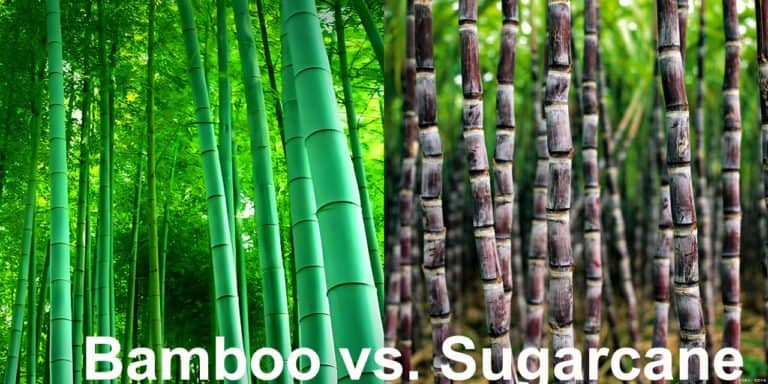
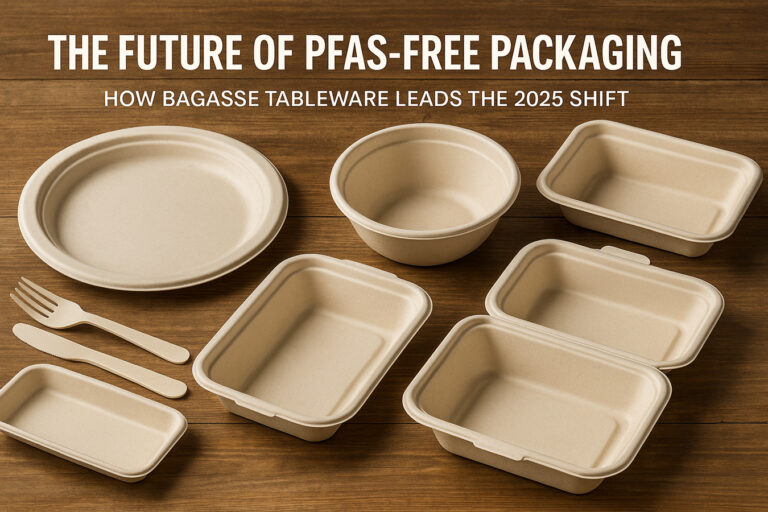
Feature Bamboo Sugarcane Bagasse Raw Material Grown specifically as a fast-renewable resource Waste byproducts from sugar extraction Growth Rate Extremely fast in some species under optimal conditions Depends on sugarcane harvest cycles Durability High strength and rigidity; useful for reusable-style or premium applications Sufficient for single-use foodservice; less dense than bamboo but practical for disposable packaging Cost Generally higher due to processing, finishing, and product design complexity More economical and cost-effective for high-volume disposable tableware Environmental Impact Renewable plant material with strong natural material positioning Reduces agricultural waste by using sugarcane fiber left after extraction Applications Cutlery, plates, bowls, skewers, serving pieces, premium trays Plates, bowls, clamshell boxes, takeout containers, trays, cups, and lids Processing Requires cutting, pulping, pressing, shaping, polishing, or composite processing depending on product type Efficient molded fiber production using pulp, heat, pressure, drying, and trimming Compostability Compostability depends on coating, binder, adhesive, and certification; untreated items may compost under suitable conditions Often compostable when the finished product is properly formulated, certified, and accepted by composting facilities Buyer interpretation: Bamboo is usually stronger and more premium, making it suitable for durable cutlery, reusable-style tableware, and upscale presentation. Sugarcane bagasse is usually more practical for high-volume disposable food packaging because it uses an agricultural byproduct, molds efficiently, and works well for plates, bowls, clamshell boxes, and takeout containers. For both materials, compostability and food safety should be verified at the finished-product level, not assumed from the raw material alone , plant-based tableware. Bamboo vs.