Pla Heat Deformation: A Straightforward Guide | Bioleader® Insights

Browse articles grouped under the "pla heat deformation" tag for topic-specific information and examples. The featured articles may approach the topic from different product, material, application, market, or sourcing perspectives. Check each article for its exact scope, technical data, standards, sources, and recommendations.
pla heat deformation — Content Overview
  • Featured articles shown: 12
  • Directly tagged articles: 1
  • Latest tagged article update: 2026-03-11
  • Coverage, examples, and specific recommendations vary by individual article.

Editor's Picks: Top Pla Heat Deformation Guides 2026

FAQ of Bioleader's Eco-friendly Disposable Tableware

FSC-certified Wood Paper Materials: Kraft Paper and White Cardboard Paper

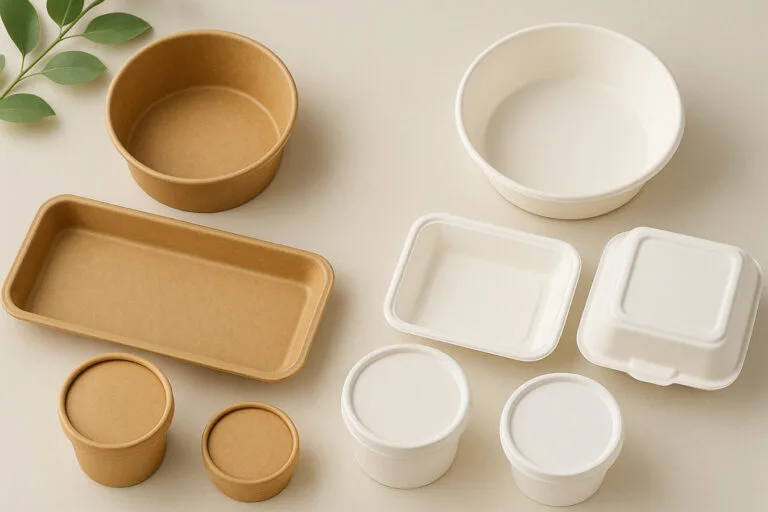
Our to go bowls with lids are made from two main types of materials: Kraft paper and white cardboard paper , pla heat deformation. Kraft paper is brown and more coarse than most papers and has high toughness and some water-resistant properties which make it good for holding medium-to-heavy and medium-hot food items. Conversely, the white cardboard paper provides an aesthetic appeal even as it remains tough. Both of these materials can be recycled and are environmentally friendly – a fact that helps in the packaging design that conforms to the current green principles and yet maintains the needed standard.

Do these bowls leak?

Yes, the ultra-secure lids on our eco friendly disposable bowls with lids make sure no amount of liquid comes out while in the traveling process , pla heat deformation.

Available sizes?

Yes, our paper containers with lids for food range between 500ml and 1500ml capable of holding various meal portions.

Microwaving:

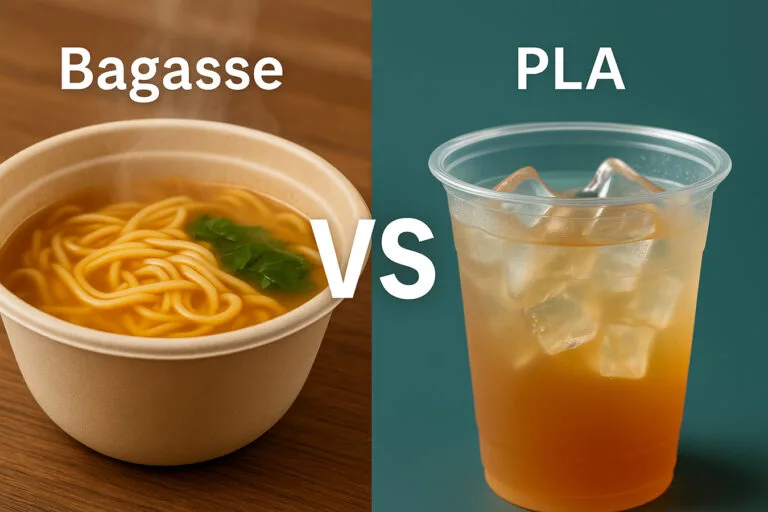
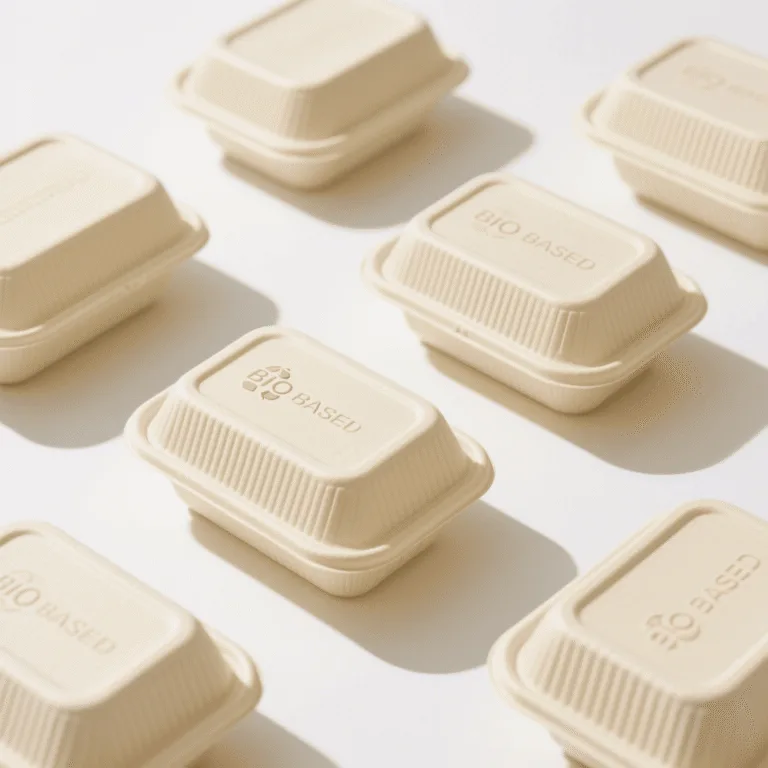
Bagasse = safe (1–2 minutes) PLA = unsafe (softens, may warp) This single factor explains 90% of their market segmentation. 3. Composting & Degradation Cycles: Home vs Industrial Compostability Both Bagasse and PLA are compostable—but under different environments.

1.1 Bagasse: A Lignocellulosic Fiber Network

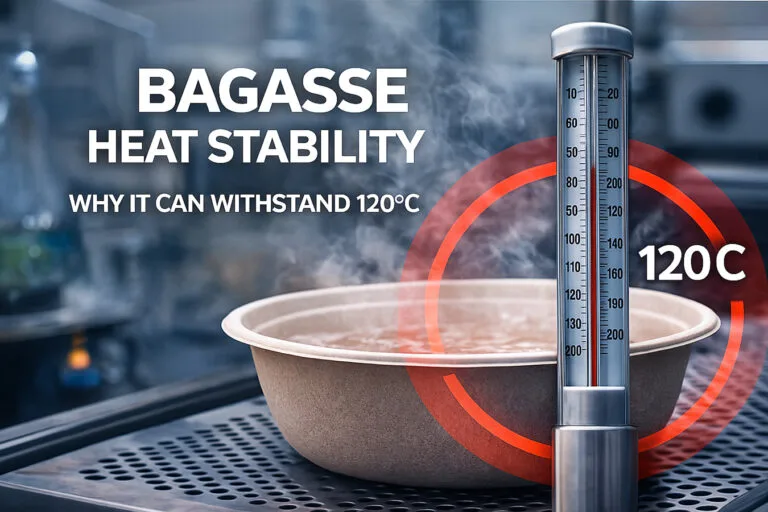
Bagasse is composed of: Component Percentage Technical Role Cellulose 50–55% High crystallinity → rigidity & heat resistance Hemicellulose 20–25% Flexibility & bonding support Lignin 18–25% Aromatic polymers → natural thermal barrier According to Carbohydrate Polymers (2022), lignocellulosic fibers exhibit thermal stability up to ~200°C before decomposition, far exceeding PLA’s heat deformation threshold — pla heat deformation.

Related Insights

🚀Ready to Go Green and Choose ?

Join the global movement toward zero-waste packaging.


Bioleader® offers:

  • 📦 Bulk order support & fast delivery

  • ✍️ Custom branding and OEM solutions

  • 🌍 Worldwide eco-packaging compliance

Get the Catalogue Products List  & Contact Us Now! 👉

Contact Us for Quote

Click or drag files to this area to upload.You can upload up to 5 files.
The more details you share, the faster and more accurate our quotation will be.