Comparing PLA Bioplastic: Features, Benefits & Performance | Bioleader® Sustainable Packaging

Actionable coverage of PLA bioplastic: eco-friendly, biodegradable, compostable materials, performance data, and compliance under EN13432 & ASTM D6400. Includes BPI/TÜV references and Food-Contact Tested guidance for safe deployment. Buyer-focused: manufacturer insights, bulk/wholesale buying playbooks, OEM/ODM customization tips, full size range selection.
Quick Summary:
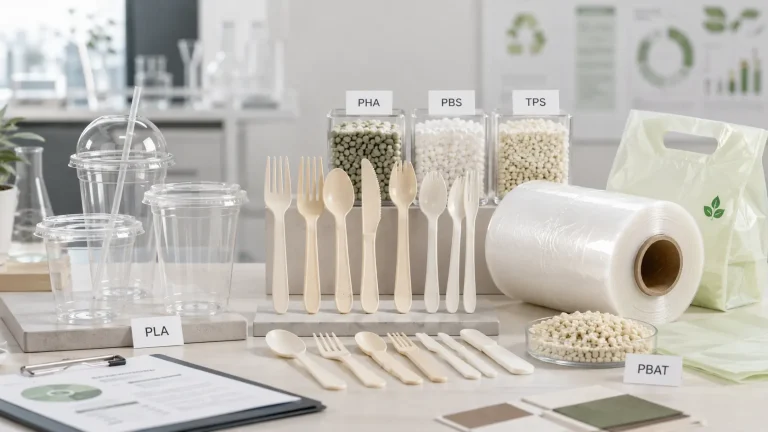
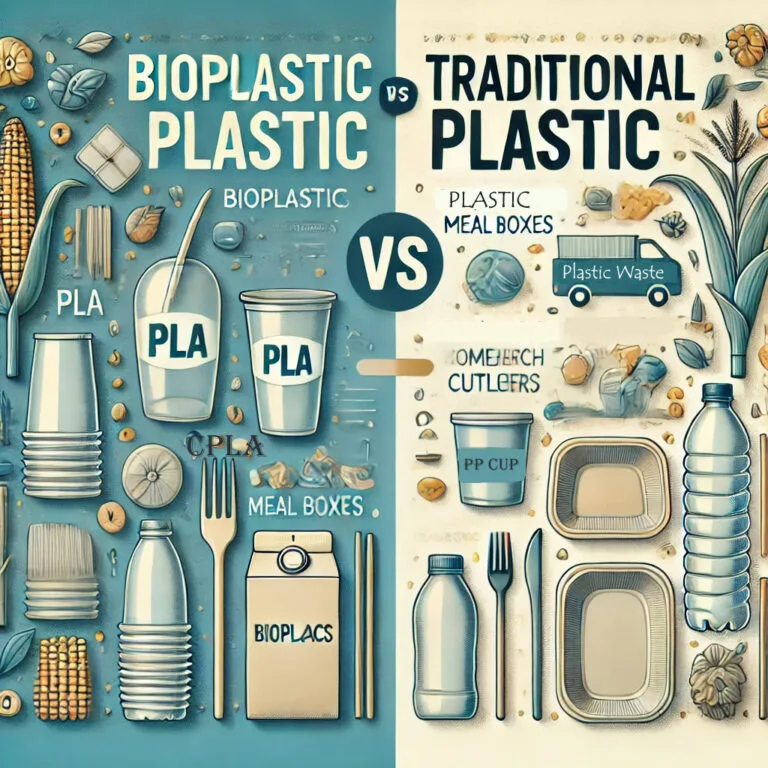
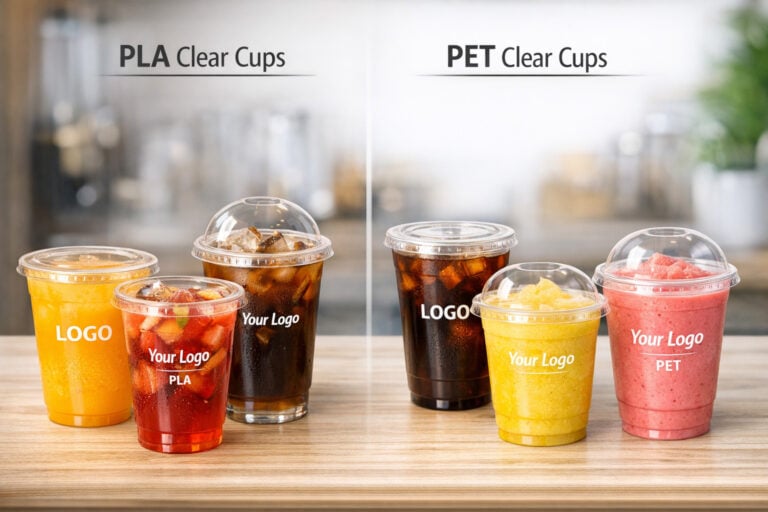
PLA (polylactic acid) is a plant-based, compostable bioplastic made from fermented sugars such as corn, sugarcane or cassava. It offers good clarity, stiffness and food-contact safety, making it popular for cold cups, clamshells, films and 3D-printing filaments. Under industrial composting conditions, PLA can break down into CO₂, water and biomass, helping reduce reliance on fossil-based plastics. However, it has limited heat resistance, needs dedicated composting or recycling infrastructure, and must be matched carefully with each market’s 2025–2026 plastic-ban and EPR regulations.
PLA bioplastic — Quick Summary
  • Items displayed (articles): 12
  • Last updated: 2025-12-02
  • Includes test data, compliance guides, buyer FAQs, and real-world use cases.

Editor’s Picks: Top Pla Bioplastic Guides 2026

FAQ of Bioleader's Eco-friendly Disposable Tableware

Institutional Foodservice

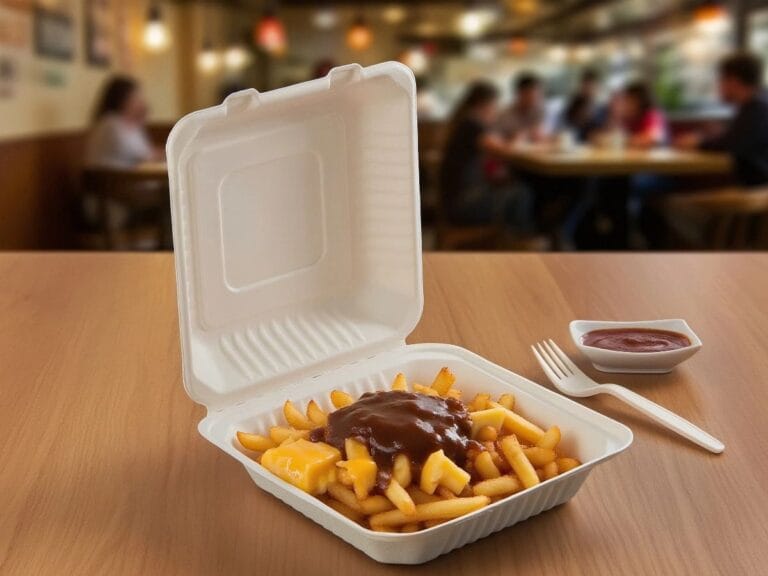
Schools, offices, hospitals, and canteens can use this bagasse tray for everyday meal distribution. It combines convenience, disposable efficiency, and better environmental positioning.

Why Choose Sugarcane Bagasse?

Renewable Resource: Since sugarcane is harvested and grown repeatedly, the containers become eco-friendly, and more products can be produced using bagasse fiber. This approach in a holistic way starts reducing waste entirely. Decomposable & Environment Friendly: Because of the usage of bagasse containers eliminate the need for plastic and styrofoam bowls. This approach further helps eliminate waste from dumping/filling grounds and further helps the environment while everything decomposes into compost materials — PLA bioplastic.

1. What materials are commonly used for takeaway containers with lids?

Takeaway containers are made from a variety of materials including sugarcane bagasse, kraft paper, PLA bioplastics, PP plastic, and aluminum. For eco-friendly applications, compostable bagasse and PLA are the most sustainable choices , PLA bioplastic.

Is PLA safe for food and beverages?

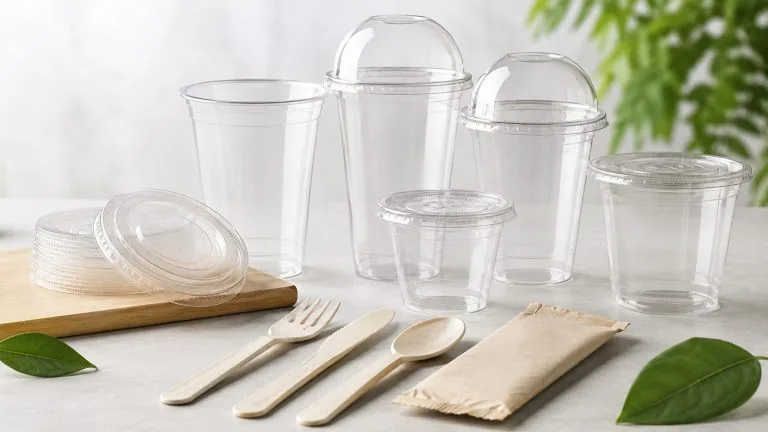
When produced by reputable manufacturers and used within its intended temperature range, PLA is considered safe for food-contact applications. It is widely used for cold beverage cups, salad boxes, clamshells and other packaging that directly touches food. Safety depends on compliance with relevant regulations (e.g., EU, FDA or other national food-contact requirements), quality control during production and appropriate use (for example, avoiding exposure to temperatures above its recommended limits).

Can PLA cups be used for hot drinks?

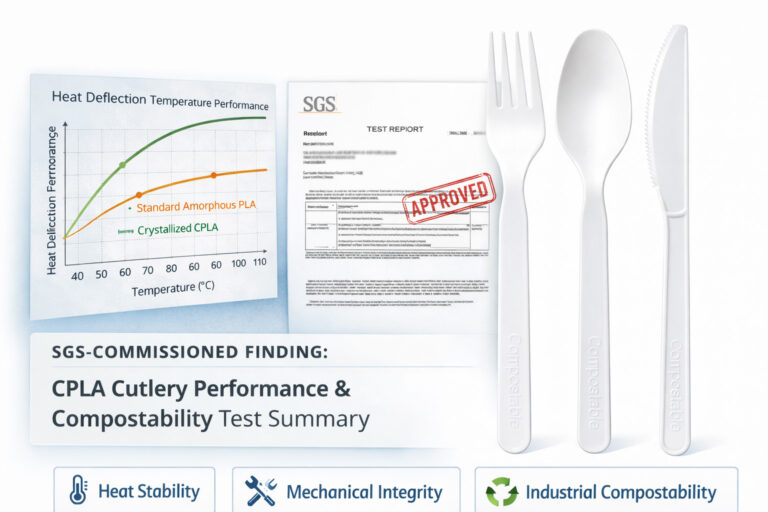
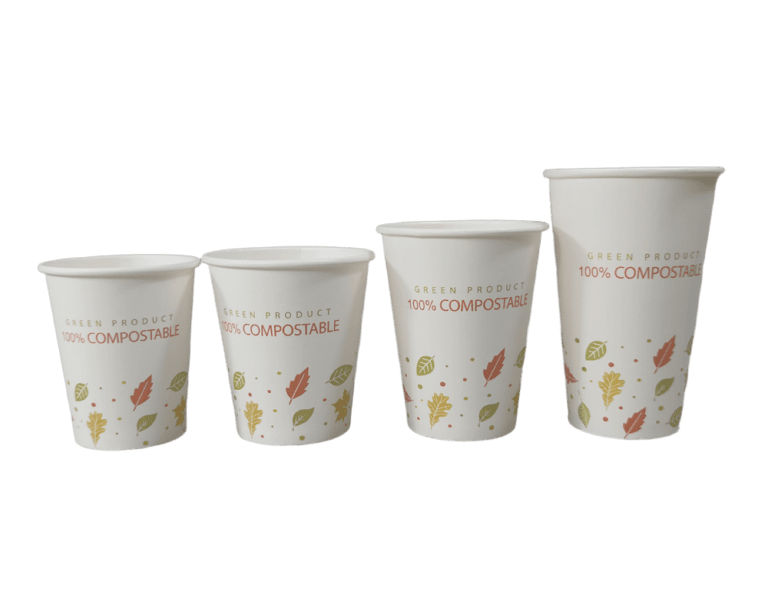
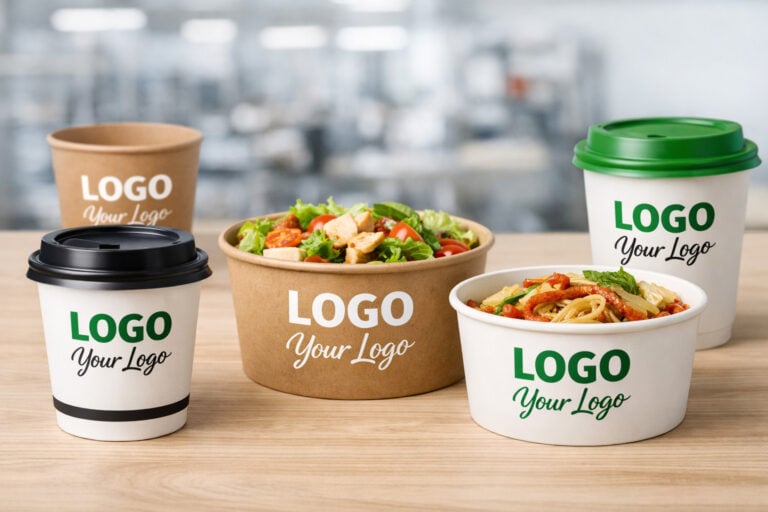
Standard PLA cups are not suitable for hot beverages such as freshly brewed coffee or tea , PLA bioplastic. Because PLA begins to soften near 55–60 °C, hot liquids can deform the cup, compromise structural integrity and create a poor user experience. For hot drinks, brands typically rely on paper cups with suitable linings, fiber-based solutions or high-heat bioplastics and compostable coatings specifically engineered for elevated temperatures.

Related Insights

🚀Ready to Go Green and Choose ?

Join the global movement toward zero-waste packaging.


Bioleader® offers:

  • 📦 Bulk order support & fast delivery

  • ✍️ Custom branding and OEM solutions

  • 🌍 Worldwide eco-packaging compliance

Get the Catalogue Products List  & Contact Us Now! 👉

Contact us Below

Click or drag files to this area to upload.You can upload up to 5 files.
The more details you share, the faster and more accurate our quotation will be.