Top Use Cases For PLA+ | Bioleader® Sustainable Packaging

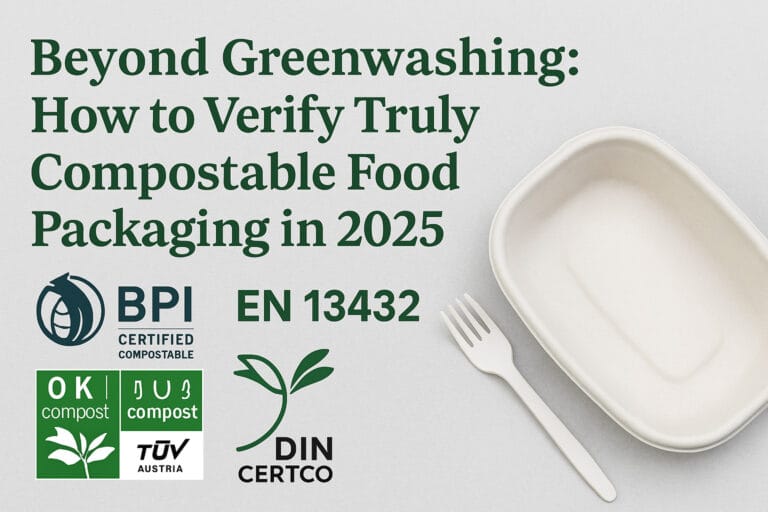
Actionable coverage of PLA+: eco-friendly, biodegradable, compostable materials, performance data, and compliance under EN13432 & ASTM D6400. Includes BPI/TÜV references and Food-Contact Tested guidance for safe deployment. Buyer-focused: manufacturer insights, bulk/wholesale buying playbooks, OEM/ODM customization tips, full size range selection.

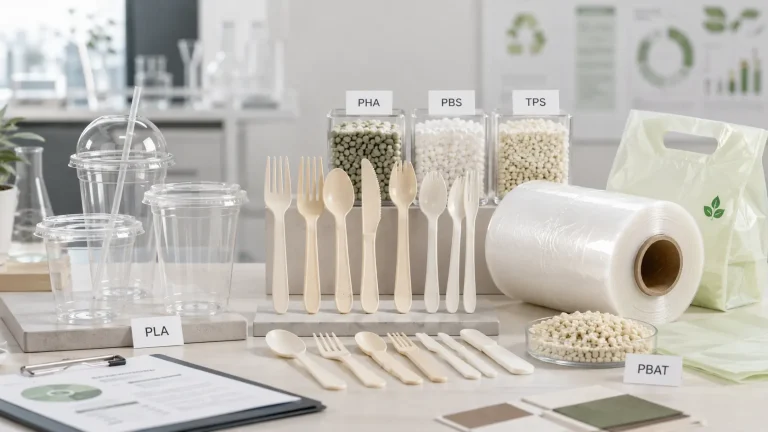
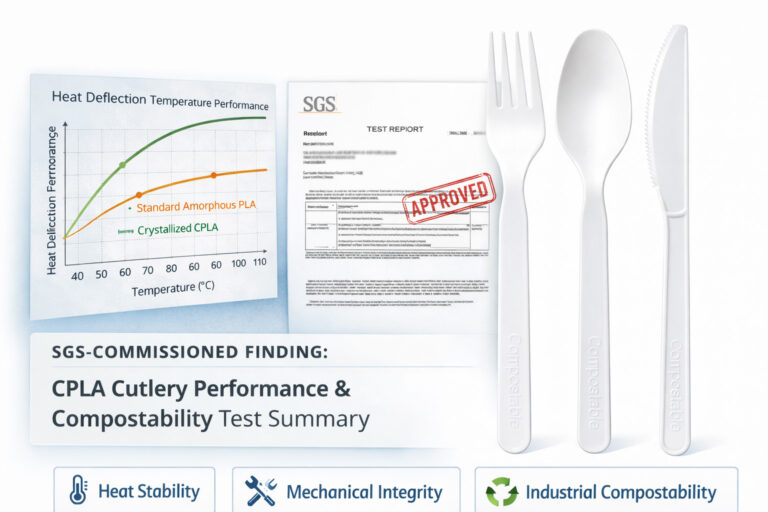
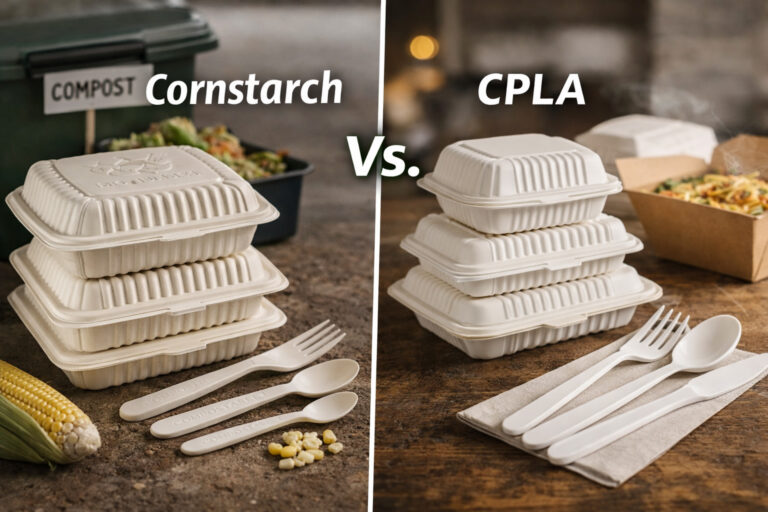
The world of 3D printing and sustainable food packaging thrives on Polylactic acid (PLA), PLA+, and crystallized PLA (CPLA) as the necessary materials. Knowing how they differ is important to selecting the right material for your project. Such bioplastics have attracted much attention because they are environmentally friendly and versatile, becoming integral to modern 3D printing and environmentally friendly food packaging.

PLA+ — Quick Summary
  • Items displayed (articles): 12
  • Last updated: 2025-01-09
  • Includes test data, compliance guides, buyer FAQs, and real-world use cases.

Editor’s Picks: Top Pla+ Guides 2026

FAQ of Bioleader's Eco-friendly Disposable Tableware

What is the range of sizes that you have?

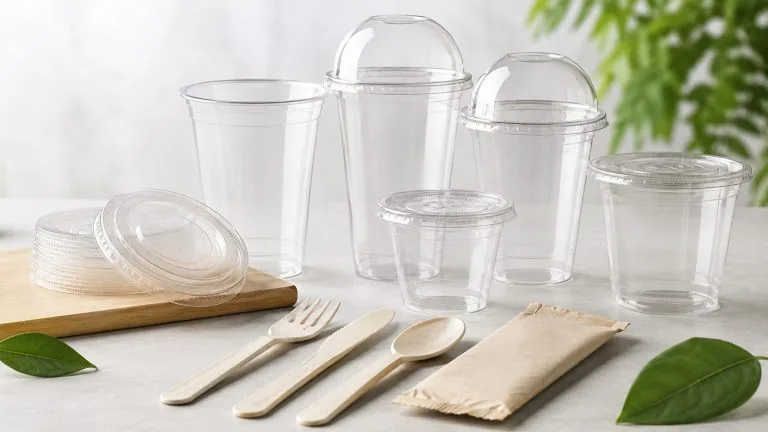
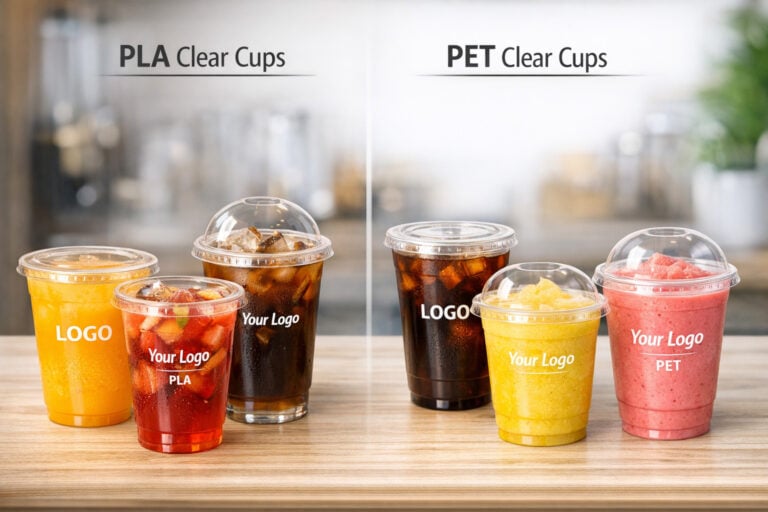
In terms of volume, there are varieties of cups: 500ml, 750ml, 1000ml, 1090ml, 1200ml, 1300ml, and 1500ml — PLA+. This means that for every portion of any size, there is a bowl available.

Do the lids fit tightly?

Yes, The lids can be placed firmly on the containers ensuring no spillage while carrying or dragging around.

Can they be put in the microwave?

Yes, they can be put in a microwave even though there is no instruction to that, which makes it easier as meals can be quickly reheated in the same bowl.

Benefits of PLA

Affordable and widely available Minimal warping during printing Safe to use, emitting no toxic fumes  

Characteristics of PLA

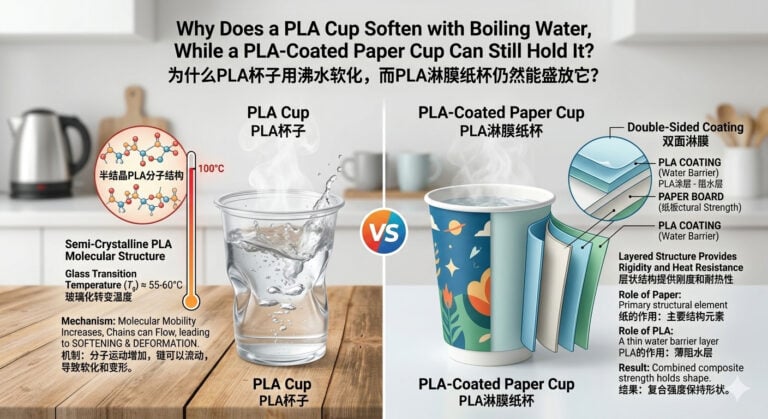
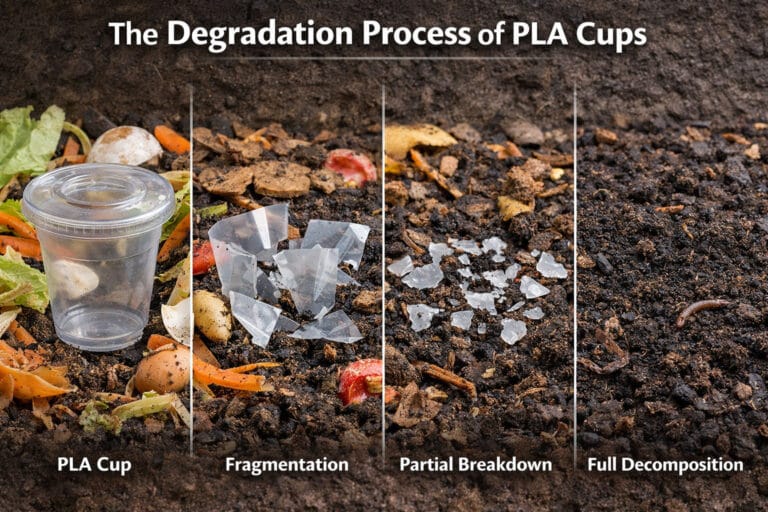
Ease of Printing: PLA is known for its low melting point, making it easy to print with standard 3D printers — PLA+. Surface Finish: It produces smooth, glossy finishes, ideal for prototypes and decorative items. Biodegradability: Being plant-based, PLA is biodegradable under industrial composting conditions. Low Heat Resistance: One downside is its tendency to soften at lower temperatures, making it unsuitable for high-temperature environments , PLA+.

Related Insights

🚀Ready to Go Green and Choose ?

Join the global movement toward zero-waste packaging.


Bioleader® offers:

  • 📦 Bulk order support & fast delivery

  • ✍️ Custom branding and OEM solutions

  • 🌍 Worldwide eco-packaging compliance

Get the Catalogue Products List  & Contact Us Now! 👉

Contact us Below

Click or drag files to this area to upload.You can upload up to 5 files.
The more details you share, the faster and more accurate our quotation will be.