Paper Packaging Compliance Checklist | Bioleader® Guides

Actionable coverage of Paper Packaging: eco-friendly, biodegradable, compostable materials, performance data, and compliance under EN13432 & ASTM D6400. Includes BPI/TÜV references and Food-Contact Tested guidance for safe deployment. Buyer-focused: manufacturer insights, bulk/wholesale buying playbooks, OEM/ODM customization tips, full size range selection.

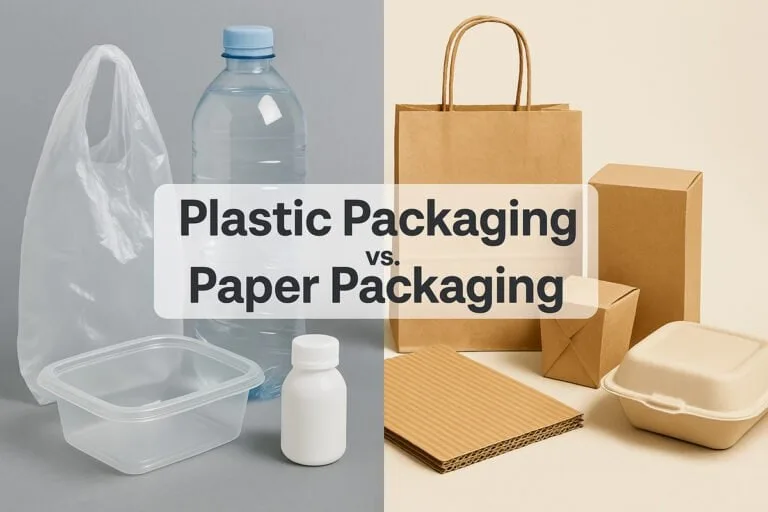
With growing environmental concerns, businesses and consumers alike are increasingly seeking sustainable solutions in packaging. The debate between Plastic Packaging and Paper Packaging is central to discussions about eco-friendly packaging choices. Understanding their distinctive attributes, environmental impacts, and practical applications can help you make informed decisions aligning with sustainability goals.

Paper Packaging — Quick Summary
  • Items displayed (articles): 12
  • Last updated: 2025-04-03
  • Includes test data, compliance guides, buyer FAQs, and real-world use cases.

Editor’s Picks: Top Paper Packaging Guides 2026

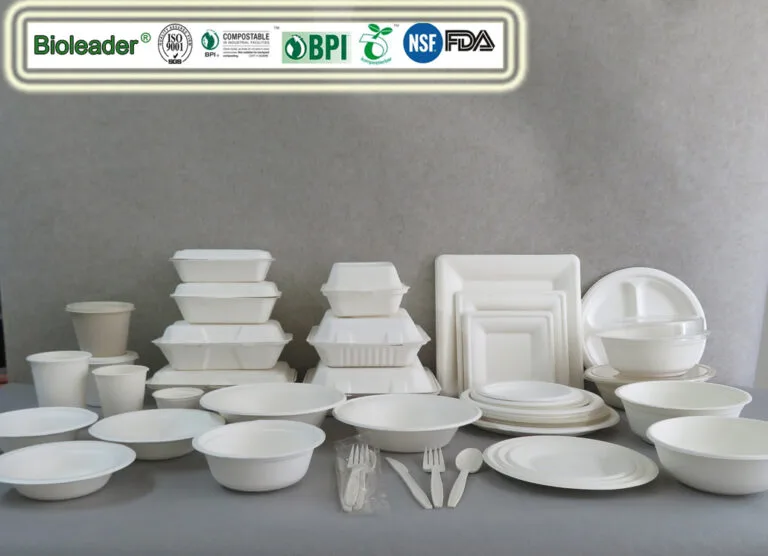
FAQ of Bioleader's Eco-friendly Disposable Tableware

Are these bowls suitable for serving hot foods?

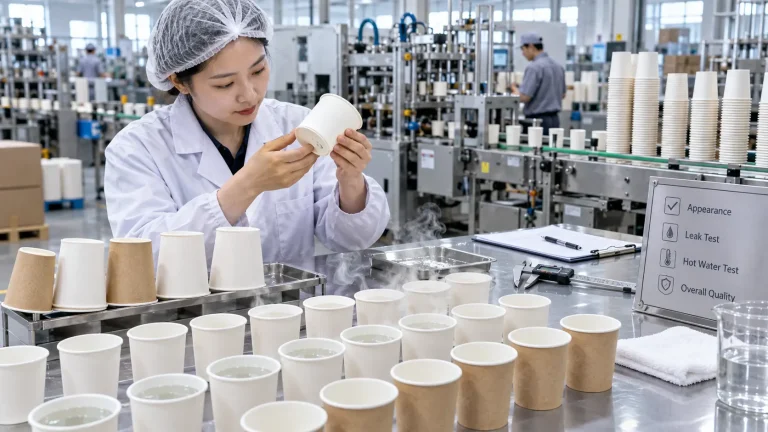
Certainly, our to go bowls with lids make it possible to serve hot foods such as soup, noodles, and stew without leaking or deforming.

Can these containers hold liquids?

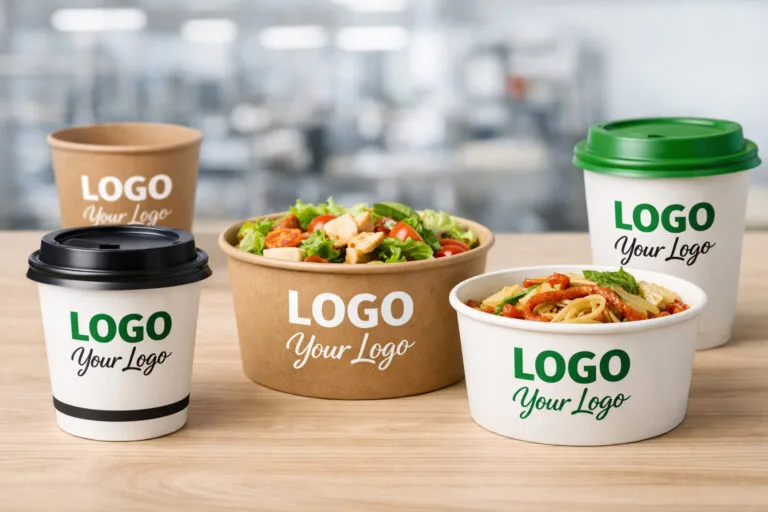
Yes, our paper food containers are leakproof and hold solid and liquid foods including thick soups sauces, and creamy dishes too.

Is it suitable for serving cold foods?

Absolutely. Such paper food containers are good for salads frozen desserts and other cold foods.

Types and Materials

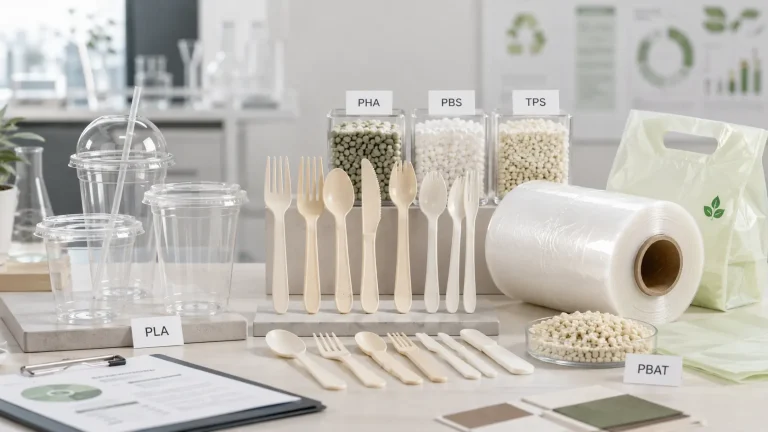
Plastic packaging comprises various polymers, each serving distinct purposes: Polyethylene (PE): Frequently used in plastic bags and wraps. Polypropylene (PP): Widely utilized for rigid food containers , Paper Packaging. Polyethylene Terephthalate (PET): Common in beverage bottles and jars. Polystyrene (PS): Typically found in foam cups and trays , Paper Packaging.

Environmental Impact and Challenges

Non-biodegradable: Many plastics persist in ecosystems for hundreds of years, negatively impacting wildlife and marine environments , Paper Packaging. Low Recycling Rates: According to EPA, only 8.7% of plastic waste was recycled in recent years (EPA, 2020). Resource Intensive Production: High energy consumption during plastic production leads to significant greenhouse gas emissions.

Related Insights

🚀Ready to Go Green and Choose ?

Join the global movement toward zero-waste packaging.


Bioleader® offers:

  • 📦 Bulk order support & fast delivery

  • ✍️ Custom branding and OEM solutions

  • 🌍 Worldwide eco-packaging compliance

Get the Catalogue Products List  & Contact Us Now! 👉

Contact us Below

Click or drag files to this area to upload.You can upload up to 5 files.
The more details you share, the faster and more accurate our quotation will be.