FAQ of Bioleader's Eco-friendly Disposable Tableware
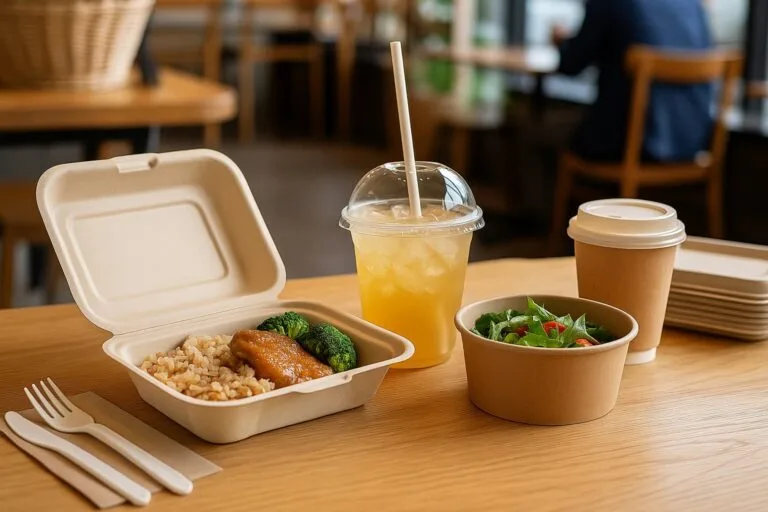
Eco-Conscious Restaurant Packaging
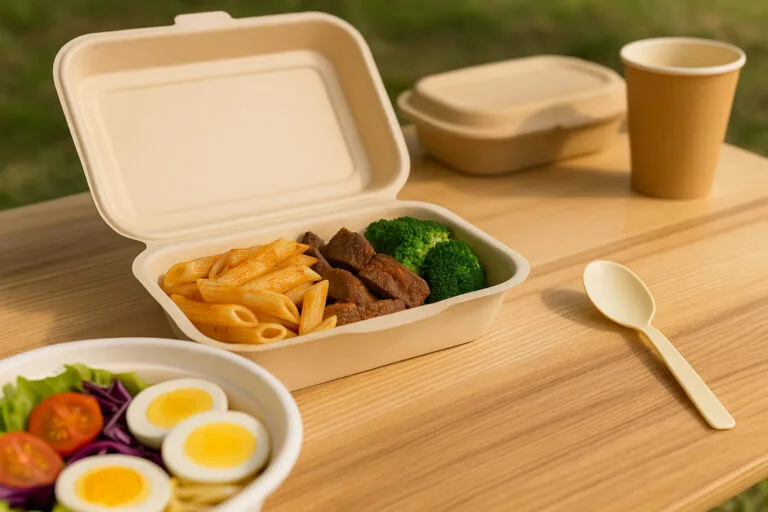
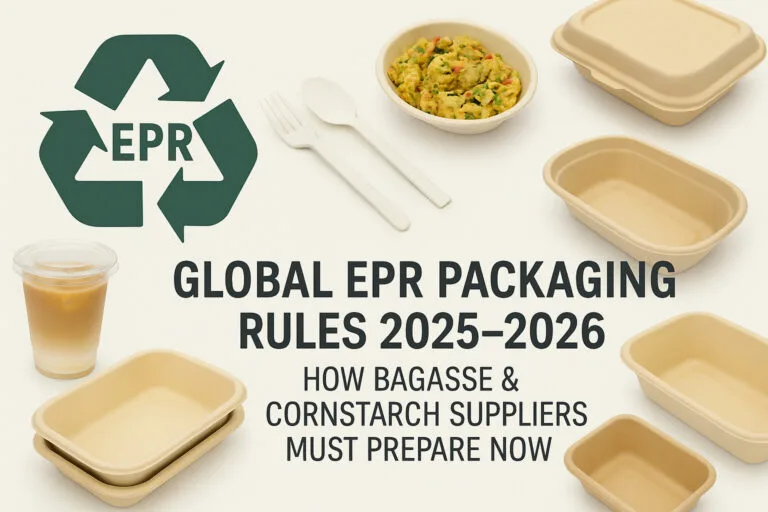
For food brands moving away from plastic or foam, this product provides a visible packaging upgrade — Non-toxic supplier. It signals a cleaner and more responsible choice to end customers. Bagasse vs Plastic vs Foam Comparison Item Sugarcane Bagasse Container Plastic Container Foam Container Material Origin Renewable plant fiber Petroleum-based Petroleum-based Sustainability Image Strong Moderate to weak Weak Compostable Potential Yes, under suitable composting systems No No Microwave Use Generally suitable Depends on resin type Often questioned Heat Performance Good for hot meals Varies Limited in perception Oil Resistance Good Good Good Structural Feel Natural, rigid, premium Smooth, functional Light but lower-end feel Market Perception Modern eco packaging Conventional Outdated in many markets Policy Trend Alignment Stronger Under pressure Highest restriction risk Cost Level Medium to moderately high Medium Low Main Advantage Sustainable and brand-positive Familiar and versatile Cheapest option Main Limitation Higher cost than foam Fossil-based image Poor environmental positioning Buying Guide Choosing the right 9″x9″ sugarcane food container is not only about matching size. Buyers should also assess food type, tray strength, lid fit, transport performance, and how the package reflects brand values in the market.
2. Are compostable food trays microwave-safe?
Yes, most compostable food trays made from bagasse or sugarcane pulp are microwave-safe. They can safely withstand typical microwave heating conditions without releasing harmful substances or losing structural integrity.
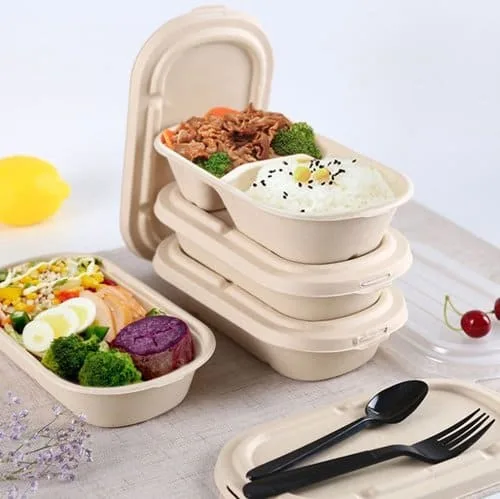
For Takeaway, Food Packaging and Delivery
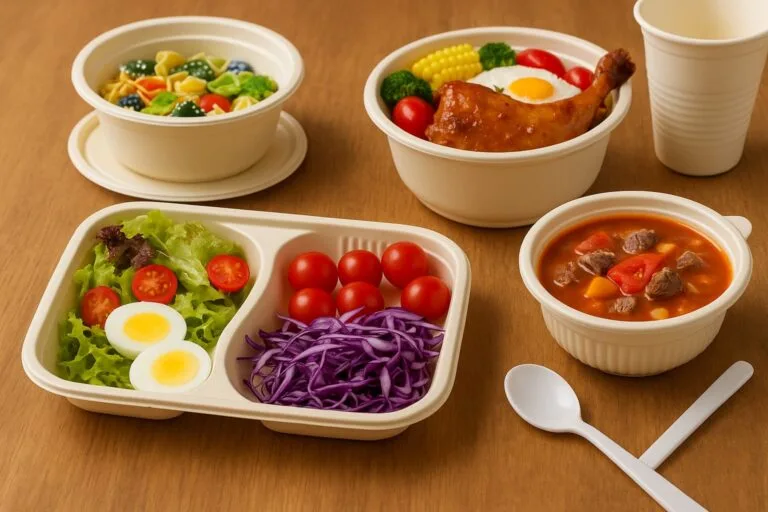
Bagasse trays serve the practical aspects of today’s food businesses, whether for takeaway, in a restaurant, or for food packaging. These disposable food trays are simple to use, effective, and give brand value by eco-friendly means for cafes, bistros, and catering of all sizes — Non-toxic supplier. Chinese Manufacturer and Wholesale Supply Our bagasse food trays are ideal for businesses wishing to switch to green solutions while still trying to save money, as we are a Chinese factory and manufacturer and sell them wholesale. Timely delivery and reliable food packaging have made us a desired partner for green food packaging thanks to our advanced manufacturing techniques and distribution possibilities.
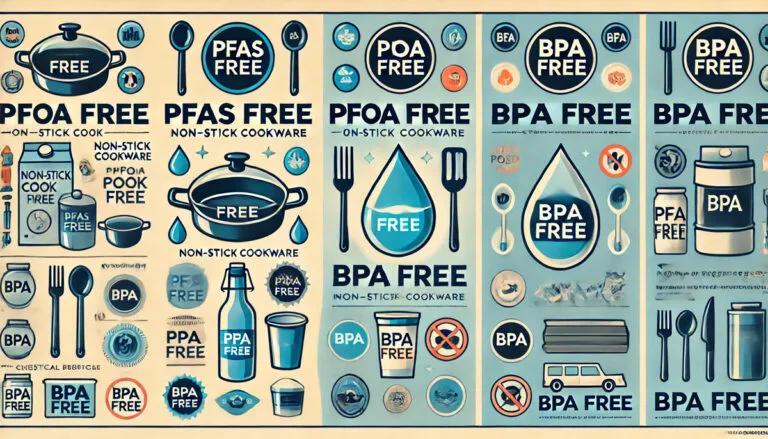
What is the difference between PFAS, PFOA, and BPA?
PFAS is a group of synthetic chemicals, PFOA is a specific type of PFAS linked to health risks, and BPA is a separate chemical used in plastics with known hormonal effects.
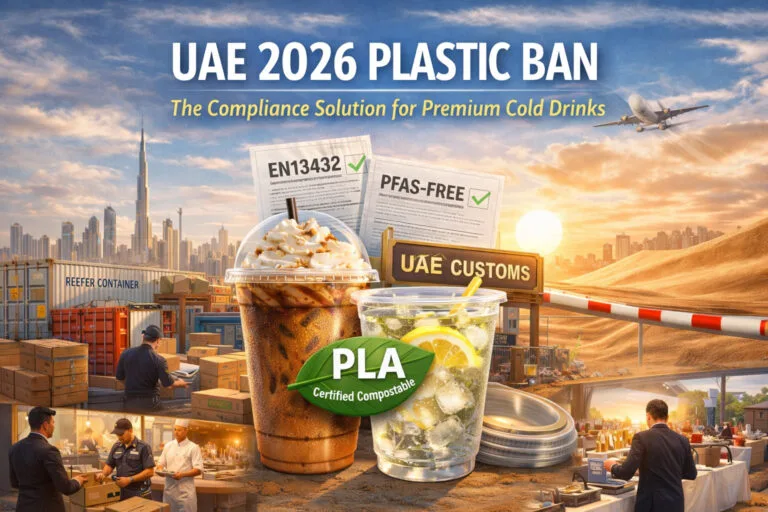
Why should I choose PFAS-free dinnerware?
PFAS chemicals are known as “forever chemicals” and may persist in the body and environment , Non-toxic supplier. Choosing PFAS-free dinnerware helps reduce long-term health and ecological risks.