Guide To Non Toxic Ceramics: Materials, Standards & Best Practices | Bioleader® Sustainable Packaging
Actionable coverage of non toxic ceramics: eco-friendly, biodegradable, compostable materials, performance data, and compliance under EN13432 & ASTM D6400. Includes BPI/TÜV references and Food-Contact Tested guidance for safe deployment. Buyer-focused: manufacturer insights, bulk/wholesale buying playbooks, OEM/ODM customization tips, full size range selection.
non toxic ceramics — Quick Summary
Items displayed (articles): 12
Last updated: 2025-02-20
Includes test data, compliance guides, buyer FAQs, and real-world use cases.
FAQ of Bioleader's Eco-friendly Disposable Tableware
Why Use Paper Pulp?
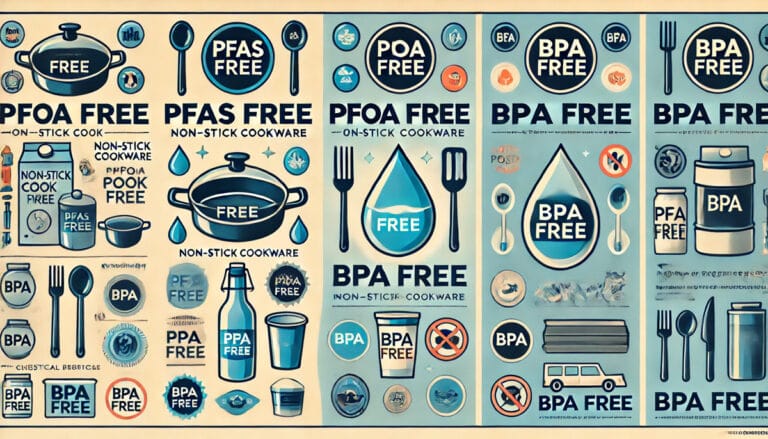
Environmentally Friendly: Paper Pulp can easily cause no harm to the environment since it’s sourced from sustainable sources and has natural degrading properties. Completely Biodegradable: Unlike traditional plastic or styrofoam, the biodegradable disposable bowls will naturally decay, thereby limiting the amount of waste that would’ve filled landfills. Safe for Food and Non-Toxic: These bowls cut out dangerous substances such as BPA and PFAS, which makes sure whatever food is being served in the bowl is free from contamination and is safe for consumption. The Production Process: Paper Pulp Moulding Technology Our biodegradable and organic bowls are made through a modern, eco-friendly method called paper pulp molding — non toxic ceramics.
Why Customers Love Sugarcane Fiber Bowls:
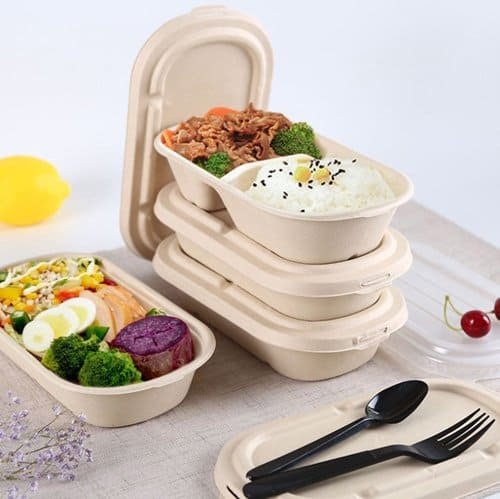
Sustainability at the Core: An increasing number of customers are turning to bagasse bowls since it is the best eco-friendly option for low-effort everyday life such as normal feeding, conducting parties, and even for takeout. Practical for a Wide Range of Foods: Not one food is left out, these biodegradable bowls work well with all types of food! Be it, salads, soup or even takeout, experience excellent performance. A Safe Choice: With the worry about food containers that might be laden with harmful chemicals, sugarcane bowls become the better option for these consumers as the containers are free from such ingredients.
1. What are sugarcane bagasse molded pulp trays made from?
They are made from bagasse, the fibrous residue left after sugarcane stalks are crushed for juice. This agricultural waste is molded into strong, durable trays that are compostable, biodegradable, and plastic-free.
Are all ceramic dinnerware products safe to use?
Not all ceramic dinnerware is safe — non toxic ceramics. Some products, especially those with decorative glazes, may contain lead or cadmium. It is important to choose dinnerware from reputable manufacturers that adhere to strict safety standards and use non-toxic glazes.
How can I tell if my dinnerware is non-toxic?
To ensure your dinnerware is non-toxic, look for certifications such as 'lead-free,' 'non-toxic,' or 'eco-friendly.' You can also check for third-party verifications and conduct a simple vinegar test to detect the presence of lead , non toxic ceramics.