The 2025 Buyer’s Guide To Industrial Composting | Bioleader® Sustainable Packaging

Actionable coverage of Industrial Composting: eco-friendly, biodegradable, compostable materials, performance data, and compliance under EN13432 & ASTM D6400. Includes BPI/TÜV references and Food-Contact Tested guidance for safe deployment. Buyer-focused: manufacturer insights, bulk/wholesale buying playbooks, OEM/ODM customization tips, full size range selection.
Industrial Composting — Quick Summary
  • Items displayed (articles): 12
  • Last updated: 2026-01-21
  • Includes test data, compliance guides, buyer FAQs, and real-world use cases.

Editor’s Picks: Top Industrial Composting Guides 2026

FAQ of Bioleader's Eco-friendly Disposable Tableware

5. What certifications should I look for when buying from an eco tray factory?

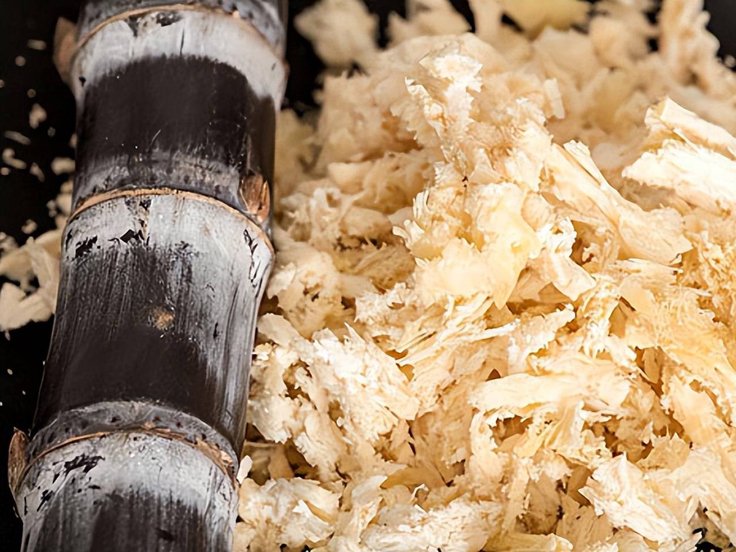
Reputable factories provide certifications such as OK Compost, BPI, TÜV Austria, EN13432, FDA, and LFGB. These ensure the trays are compostable, food-safe, and compliant with international sustainability standards. Packaging Insight: Why Choose Bioleader® Eco-Friendly Trays with Lids for Sustainable Food Packaging How do Bioleader® eco-friendly trays combine performance with sustainability? Utilizing bagasse and other renewable fibers, these trays deliver sturdy, leak-resistant food packaging that withstands hot and cold meals, while being fully compostable.

2. Are bagasse trays safe for hot and cold foods?

Yes. Bagasse trays are heat-resistant up to 120°C and freezer-safe, making them suitable for both hot meals and cold items. They are commonly used for takeout, school lunches, airline catering, and meal prep , Industrial Composting.

Durable and Reliable Performance

Unlike many disposable options, our sugarcane food trays are built to last throughout their intended use. Whether exposed to heat, moisture, or refrigeration, they maintain their structure and performance. This durability makes them a reliable choice for any business requiring high-quality, dependable food packaging. Multiple Uses and Applications The bagasse will save you money and the environment.

What’s new in emphasis for 2025

The market’s interpretation of compliance has evolved from “lab certificate equals go-to-market” to “lab certificate plus field validation equals go-to-market.” In RFPs, the wording is shifting from “ASTM-compliant” to “ASTM-compliant and accepted by industrial composters (field evidence required).” That one conjunction—“and”—is now the difference between theoretical and bankable compliance. Lab vs Field Composting Limitations of Laboratory Testing Laboratory test rigs are intentionally controlled to establish a clear and repeatable baseline. Typical parameters: temperature near 58 °C, moisture around 50%, active aeration, consistent mixing, and test windows often cited at 90 to 180 days. These conditions are scientifically valid but operationally idealized.

Nitrogen Boost:

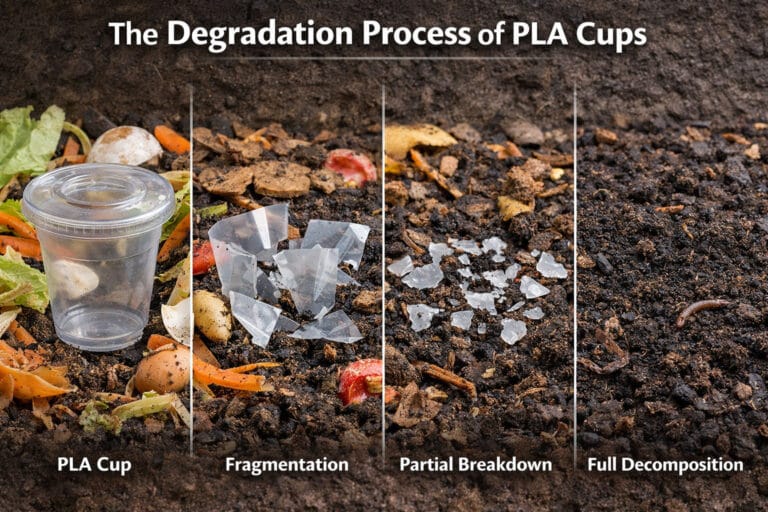
Mixing PLA with “green” waste, such as kitchen scraps or fresh grass, provides additional nitrogen, which fuels microbial growth and increases the internal heat of the compost pile , Industrial Composting. This helps raise the temperature to the 40°C mark, accelerating the hydrolysis process , Industrial Composting.

Related Insights

🚀Ready to Go Green and Choose ?

Join the global movement toward zero-waste packaging.


Bioleader® offers:

  • 📦 Bulk order support & fast delivery

  • ✍️ Custom branding and OEM solutions

  • 🌍 Worldwide eco-packaging compliance

Get the Catalogue Products List  & Contact Us Now! 👉

Contact us Below

Click or drag files to this area to upload.You can upload up to 5 files.
The more details you share, the faster and more accurate our quotation will be.