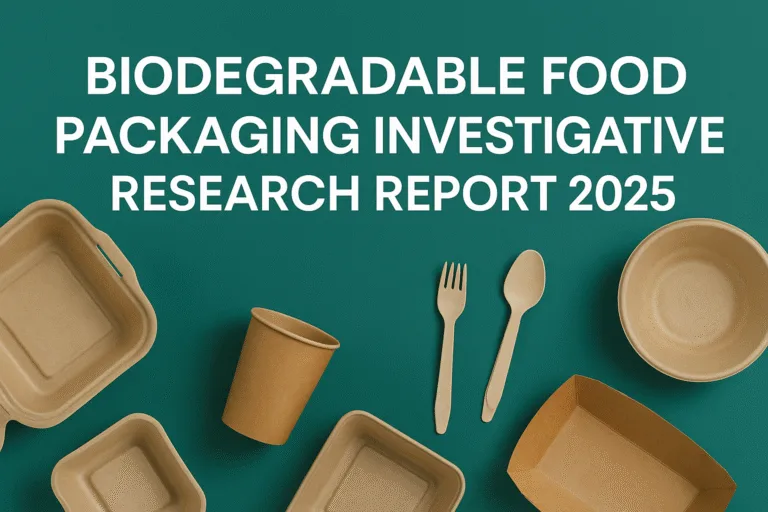
In an era when environmental concerns dominate headlines, the question of whether bioplastics truly offer a sustainable alternative to traditional plastics has taken center stage. The short answer is that bioplastics do indeed represent a promising route to reducing pollution and dependence on fossil fuels—but their real-world impact depends on responsible production, consumer awareness, and efficient waste management systems. Over the next several sections, we will dive deep into the differences between bioplastics and traditional plastics, highlight expert opinions and scientific research, and showcase practical applications such as Bioleader’s cornstarch tableware and PLA clear cups. By the end of this discussion, you will have a clearer understanding of where each type of plastic stands in today’s rapidly evolving market, as well as the challenges and opportunities that lie ahead.


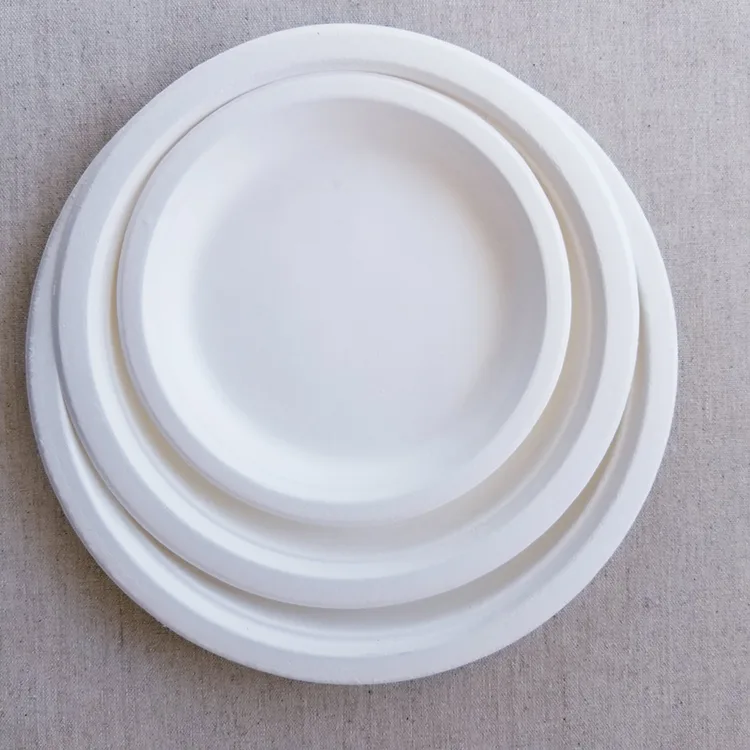
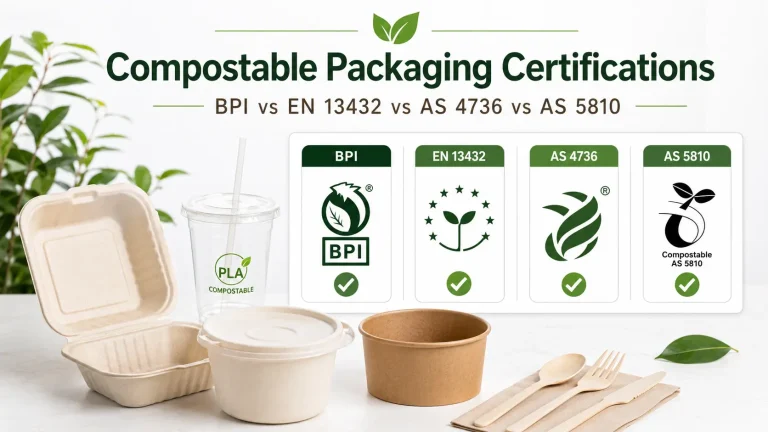
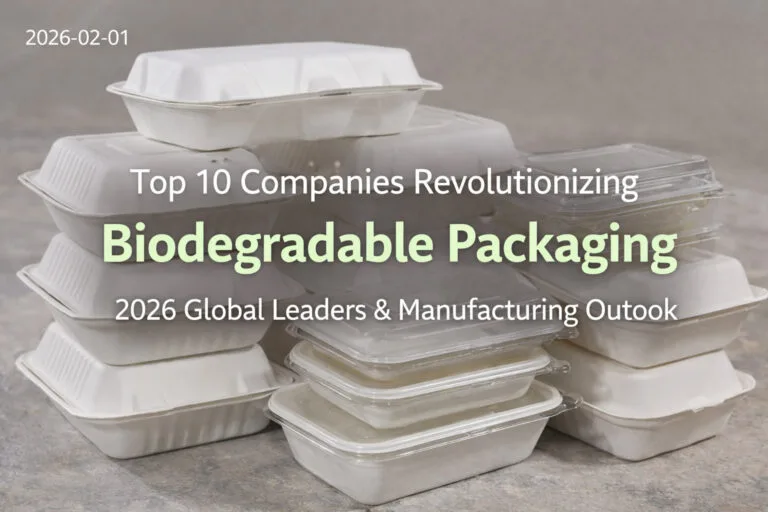
Yes, these salad bowls compostable are made from biodegradable materials such as kraft paper and white cardboard paper which allow it to biodegrade when discarded appropriately.
Yes, The lids can be placed firmly on the containers ensuring no spillage while carrying or dragging around.
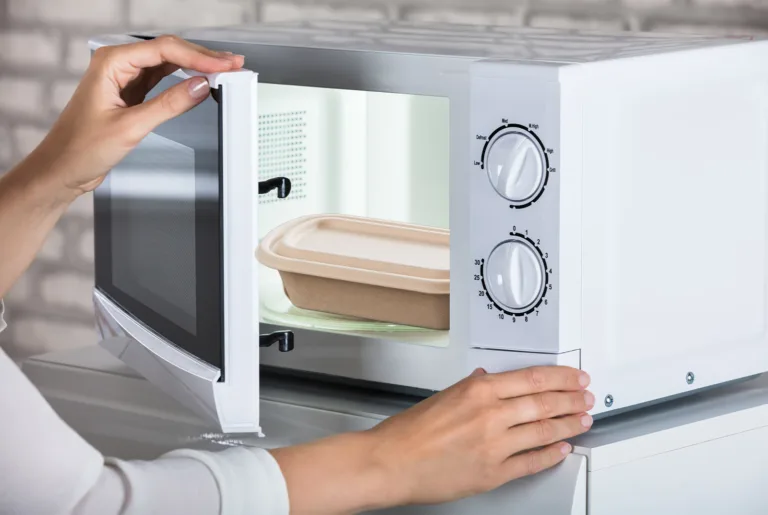
Yes, our biodegradable bowls are both microwaveable and freezer-safe, maintaining their structure and food safety even under temperature variations.
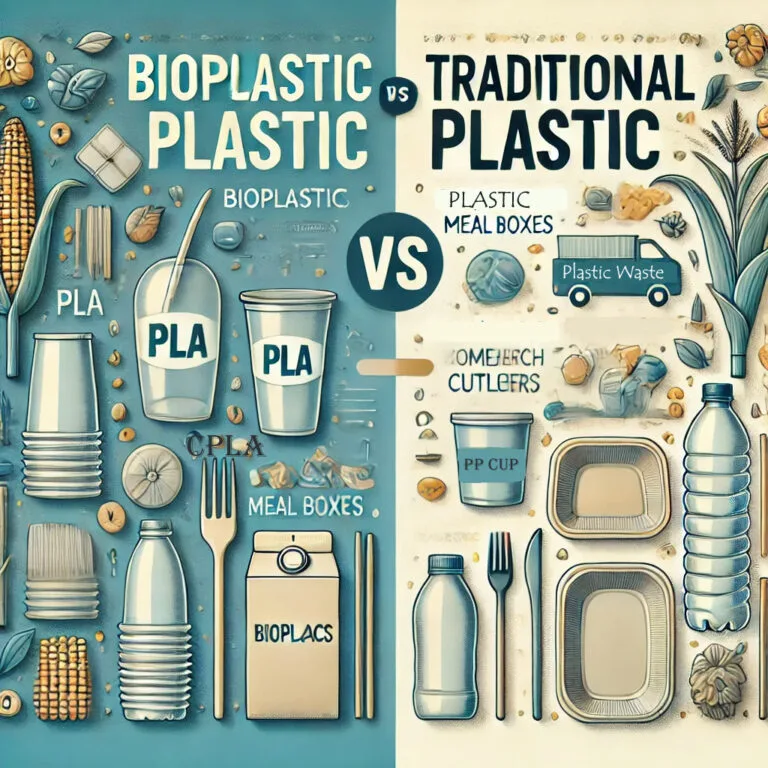
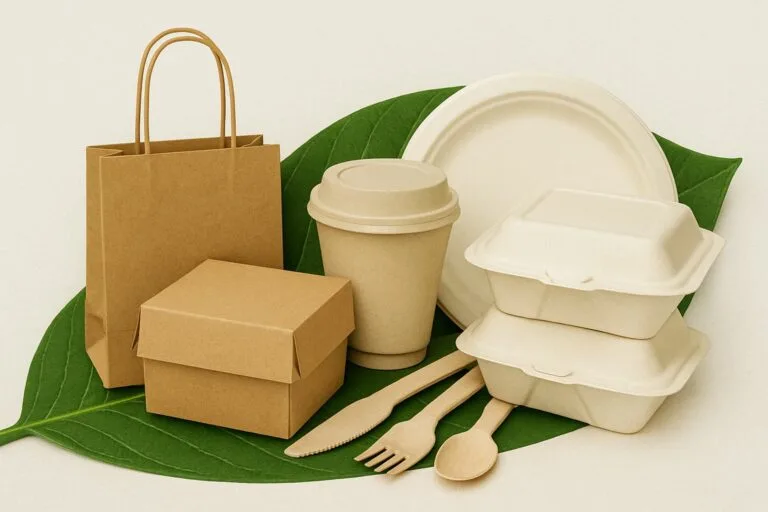
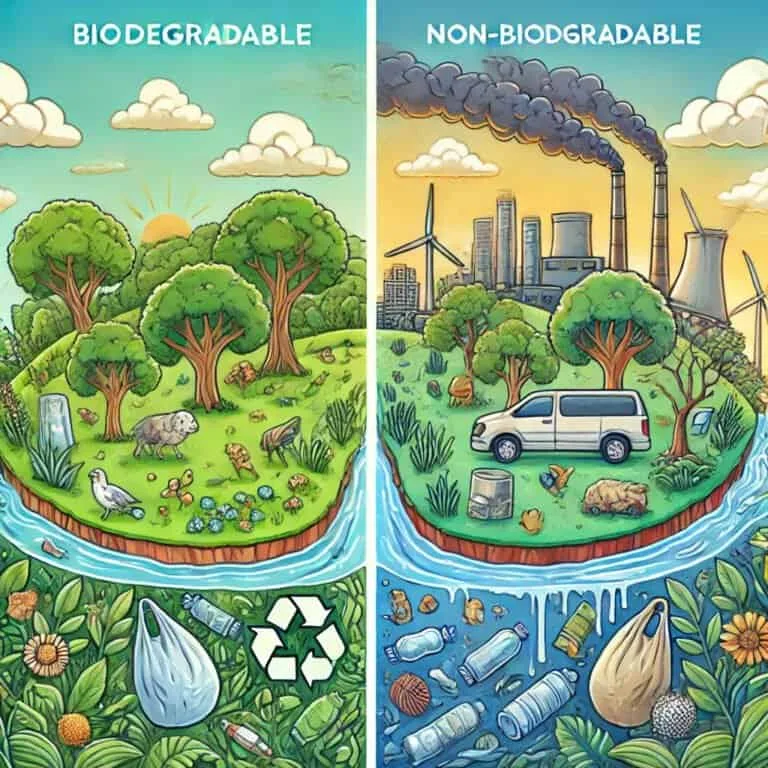
Bioplastics encompass a broad category of materials that are either bio-based, biodegradable, or both. The most common feedstocks include cornstarch, sugarcane, and potato starch, though research has also explored sources like algae and agricultural waste — green technology. Some of the well-known bioplastic types are: PLA (Polylactic Acid): Often derived from cornstarch or sugarcane. PLA is widely used for packaging, disposable tableware, and 3D printing filaments — green technology.
Carbon Emissions: While the production of traditional plastics emits significant CO₂, bioplastics can sequester carbon during the feedstock growth phase — green technology. Nonetheless, the overall carbon balance depends heavily on farming practices, transportation, and the energy source used for production. Pollution and Waste: Traditional plastics persist in the environment for centuries. Bioplastics, especially those that are biodegradable or compostable, may degrade faster, though the conditions required for degradation (e.g., industrial composting facilities) are not always readily available.
Join the global movement toward zero-waste packaging.
Bioleader® offers:
📦 Bulk order support & fast delivery
✍️ Custom branding and OEM solutions
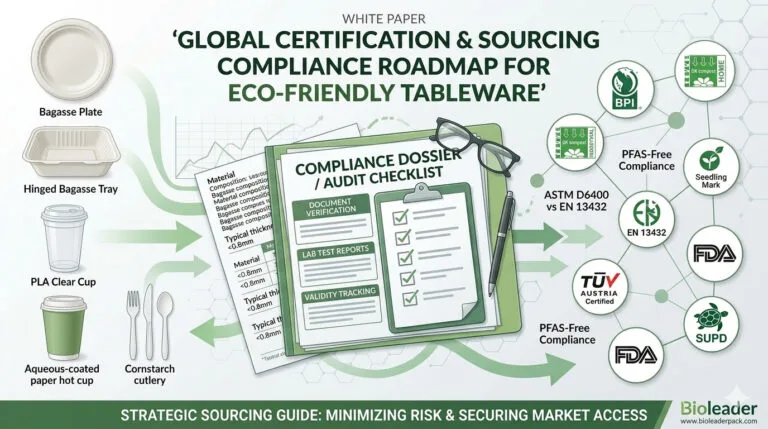
🌍 Worldwide eco-packaging compliance
Get the Catalogue Products List & Contact Us Now! 👉
📧 Email : info@bioleaderpack.com
📲 WhatsApp : +86-15980856610
🟢 Wechat : bioleader
📍 Add : No.39 Xinglong Road, Xiamen, China
Copyright © 2015–2026 Xiamen Bioleader Environmental Protection Co., Ltd | All Rights Reserved. Privacy Policy | AI Policy | Sitemap
Welcome to Bioleader Pack! 🌿
👉 Get a Quick Quote, Customized & Sample Details. We're online to help with your sourcing needs!
📩 Need Catalog & Price List? Email us: info@bioleaderpack.com
⏰ Response within 6-12 hours.
(Due to timezone differences, if we're away, please email us or leave a message.)
Response time: < 8h | Catalog List
WhatsApp us