Green Packaging Innovation 101: What It Is, When To Use, And How To Choose | Bioleader® Guides
Actionable coverage of Green Packaging Innovation: eco-friendly, biodegradable, compostable materials, performance data, and compliance under EN13432 & ASTM D6400. Includes BPI/TÜV references and Food-Contact Tested guidance for safe deployment. Buyer-focused: manufacturer insights, bulk/wholesale buying playbooks, OEM/ODM customization tips, full size range selection.
FAQ of Bioleader's Eco-friendly Disposable Tableware
Why should businesses switch to environmentally friendly cutlery?
Switching to environmentally friendly cutlery helps reduce plastic waste, meets growing consumer demand for sustainable products, and enhances a business’s environmental reputation.
What are environmentally friendly cutlery made from?
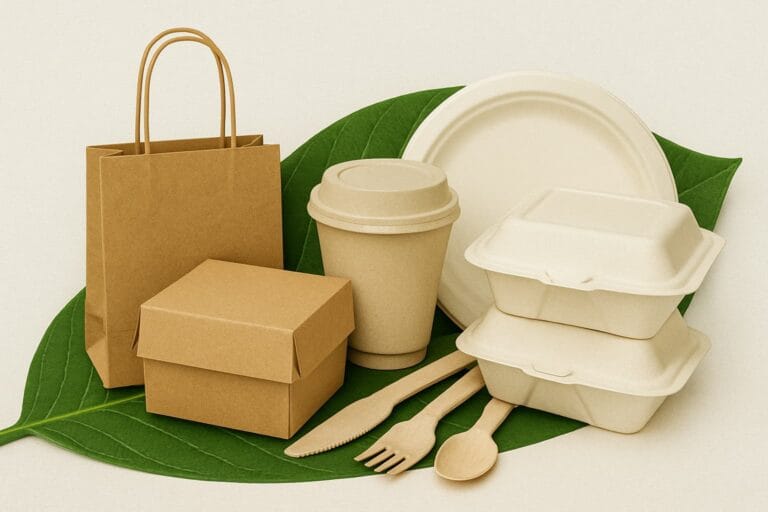
Environmentally friendly cutlery is typically made from renewable plant-based materials such as cornstarch, PLA, or sugarcane, making them biodegradable and compostable.
Can environmentally friendly cutlery be customized for branding?
Absolutely. Many manufacturers offer customizable packaging and logo printing options, allowing businesses to enhance brand visibility and promote sustainability.
3.3 Category Rules and Fee Policies
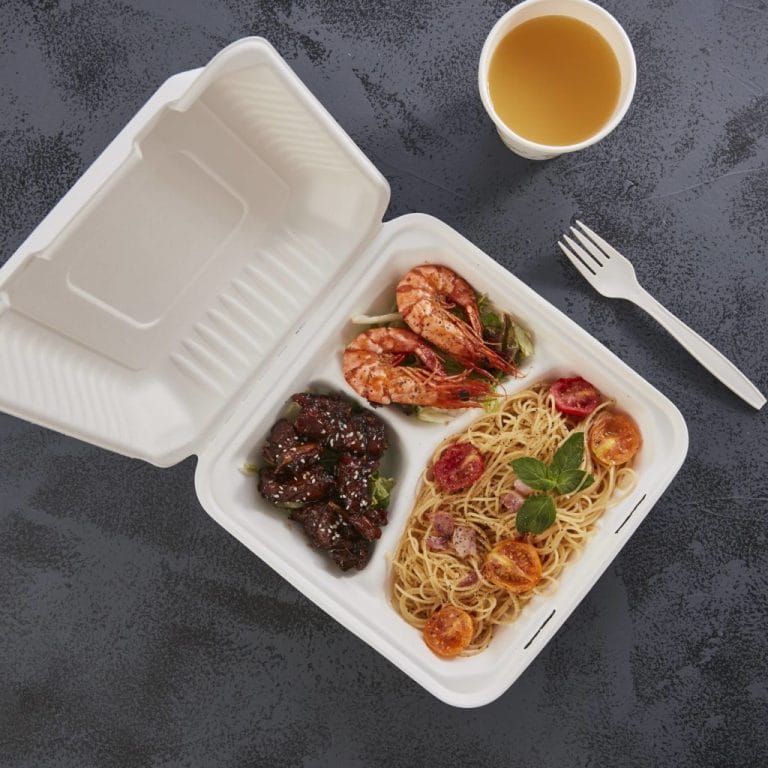
Introduce category-specific specifications: for soups and oily mains (noodles, curries), PFAS-free bagasse with tight geometry; for cold/clear applications, PET lids where recycling is accepted; for campuses with organics, PLA lids are permissible — Green Packaging Innovation. Tie packaging fees to complexity: fewer parts, lower fees; overpackaging triggers higher fees and lower search ranking , Green Packaging Innovation.
3.5 City Pilots and Reverse Logistics
Where composting exists (or can be trialed), platforms should co-fund organics capture at high-density nodes: food courts, universities, office parks. Begin with one or two “hero SKUs” (bagasse bowls and trays) and mono-material lids, supported by on-site signage and staffed nudges during launch weeks. Publish pilot data—even if imperfect — Green Packaging Innovation. 4) Materials: What Works in the Real Meal, Not the Ideal Label bagasse vs plastic containers