Ghana Styrofoam Ban 2027: Practical Use Cases | Bioleader® Guide
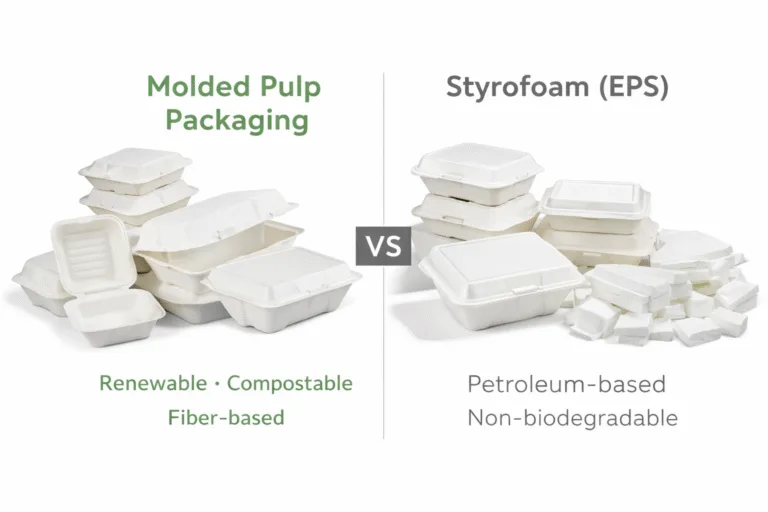
Actionable coverage of Ghana Styrofoam ban 2027: eco-friendly, biodegradable, compostable materials, performance data, and compliance under EN13432 & ASTM D6400. Includes BPI/TÜV references and Food-Contact Tested guidance for safe deployment. Buyer-focused: manufacturer insights, bulk/wholesale buying playbooks, OEM/ODM customization tips, full size range selection.
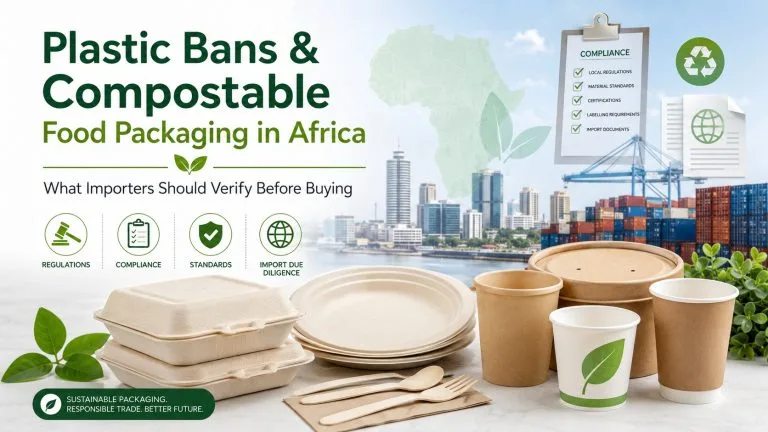
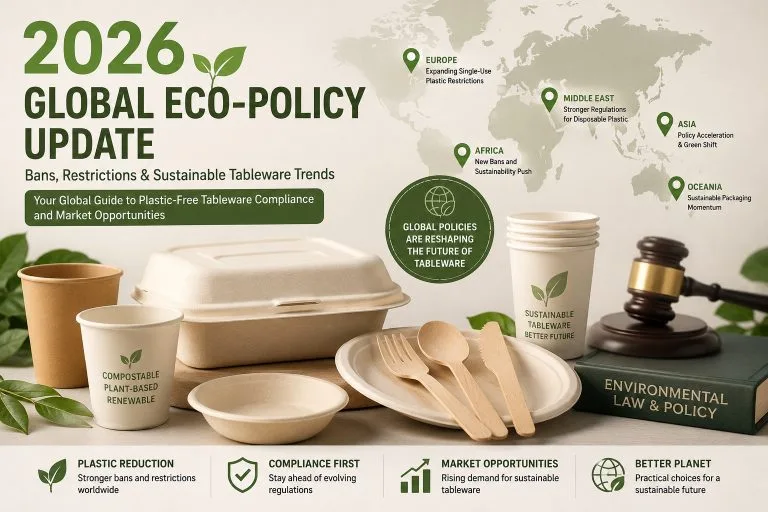
Africa is not a single regulatory market for disposable food packaging. Plastic bans, Styrofoam restrictions, EPR rules, food-contact expectations and compostable packaging claims vary by country, city and product category. For importers, the key is not to ask whether a product is “eco-friendly” in general, but to verify whether the product, documents and claims match the destination market before buying.
Ghana Styrofoam ban 2027 — Quick Summary
Items displayed (articles): 12
Last updated: 2026-06-26
Includes test data, compliance guides, buyer FAQs, and real-world use cases.
FAQ of Bioleader's Eco-friendly Disposable Tableware
Do the lids hold tight so there are no leakage problems while in transit?
Yes, the lids are designed in such a way that they are fastened to the container securely and will not let the contents escape or leak during transit, which is an ideal characteristic for takeaway and delivery orders.
Do these containers stand temperature pressures like microwaves?
Yes, our salad to go container with locking lid is microwave-safe safe so the consumers can heat their food substances without any problems.
Paper Salad Bowl with Lid (Kraft & White)
Item Product Name Paper Weight Product Size (Top*Bottom*High) Pcs/ CTN Carton Size (cm) PE-SSK16 500ml Bowl (Kraft/White) Kraft Paper 337gsm / White paper 320gsm 148*131*46 mm 300 46 31 48 PE-SSK26 750ml Bowl (Kraft/White) Kraft Paper 337gsm / White paper 320gsm 148*129*60 mm 300 46 31 49 PE-SSK32 1000ml Bowl (Kraft/White) Kraft Paper 337gsm / White paper 320gsm 148*129*78 mm 300 46 31 51 Lid Options 148mm PP Flat Lid 6.5g 148mm 300 48 33 31.5 148mm PET Dome Lid 9g 148mm 300 47 33.5 31.5 148mm Paper Lid Kraft / White 148mm 300 68 32 48 PE-SSK36 1090ml Bowl (Kraft/White) Kraft Paper 337gsm / White paper 320gsm 168*145*65 mm 300 52 33 57 Lid Options 168mm PP Flat Lid 10g 168mm 300 54 32 36 168mm PET Dome Lid 11g 168mm 300 55 38 37 168mm Paper Lid Kraft / White 168mm 150 41 36 54 PE-SSK40 1200ml Bowl (Kraft/White) Kraft Paper 337gsm / White paper 320gsm 175*148*68 mm 300 54 36 58 Lid Options 175mm PP Flat Lid 10g 175mm 600 55 55 38 175mm PET Dome Lid 12g 175mm 300 57 38 37 175mm Paper Lid Kraft / White 175mm 150 38 38 56 PE-SSK44 1300ml Bowl (Kraft/White) Kraft Paper 337gsm / White paper 320gsm 184*161*70 mm 300 55 37 60 Lid Options 184mm Paper Lid Kraft / White 184mm 150 40 36 59 184mm PET Dome Lid 12g 184mm 300 58 40 34 Film Coated Options PE(single) Single 18gsm PE (100% recyclable, this is the normal choice type) PE(double) Double18gsm PE (available for ice, cold, and freezer) PLA Single 31gsm PLA (100% biodegradable & Compostable) Personalized in Terms of Logos and Designs A noteworthy highlight of our salad to go container with locking lid is that it can be printed with your brand’s logo or any design of your choice. This is a brilliant method to promote your business, and it gives an appealing professional touch to your take-out meals , Ghana Styrofoam ban 2027. Be it a café or a restaurant or a catering service, such personalized to go salad containers do not only keep the food safe but act as marketing tools as well. Custom printing is also possible so kindly reach out to us for all of your inquiries.
Why does EPR matter for food packaging importers?
EPR can make importers, producers or brand owners responsible for packaging after use. In markets with EPR rules, buyers may need to understand registration, reporting, fees, producer responsibility organizations or local compliance schemes.
Are plastic bans the same across African countries?
No , Ghana Styrofoam ban 2027. Plastic bans and packaging rules differ by country, city and product type , Ghana Styrofoam ban 2027. Some rules target plastic bags, some focus on Styrofoam, some address single-use plastics, and others create EPR obligations for packaging producers or importers.