Quick Answer: Disposable Cup & Bowl Size Conversion Table
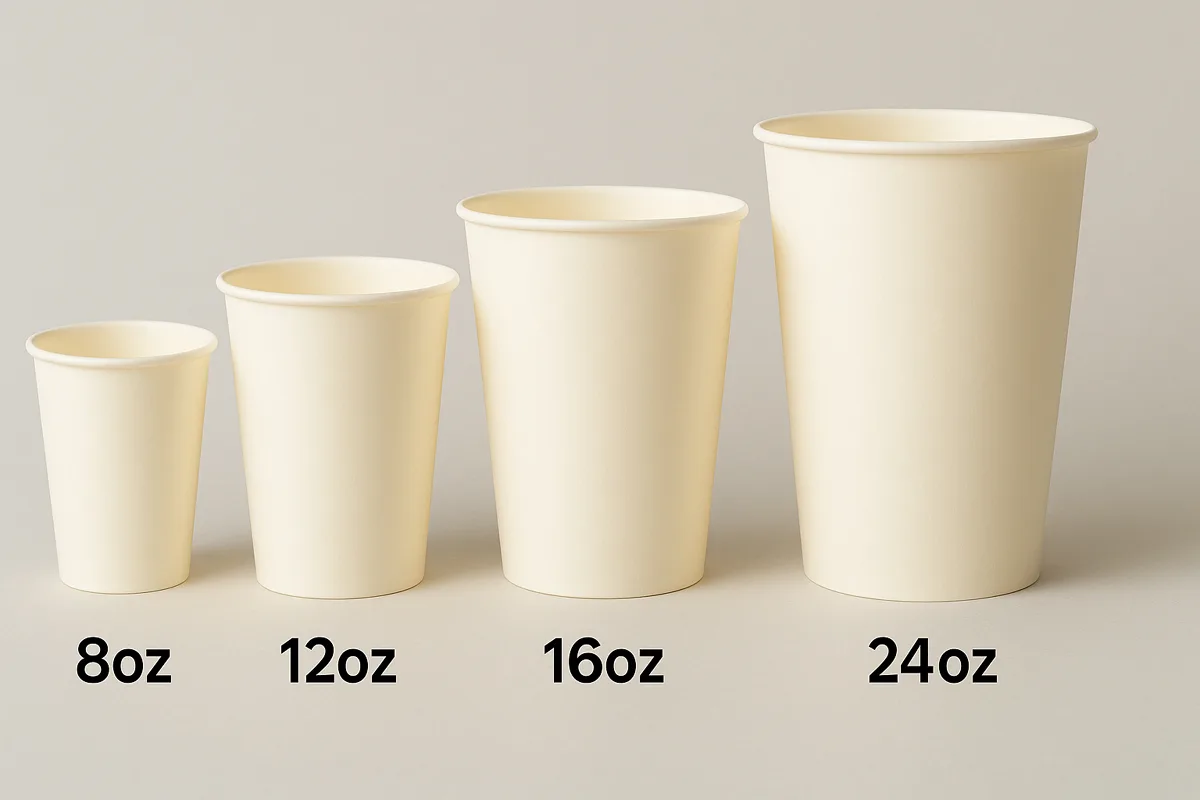
For US liquid measurement, 1 cup equals 8 US fluid ounces. That means 12oz equals 1.5 cups, 16oz equals 2 cups, 24oz equals 3 cups, and 32oz equals 4 cups. For foodservice packaging buyers, these conversions are also useful when comparing disposable paper cups, PLA clear cups, soup bowls, salad bowls and takeaway containers.
Ounce-to-cup conversion is often searched by people checking recipes, drinks or kitchen measurements. For foodservice packaging buyers, however, these numbers also help compare disposable cup sizes, paper cup ranges, PLA clear cups, soup bowls, salad bowls and takeaway container capacities.
This guide is designed as a practical hub for converting oz, ml and cups into real packaging decisions. It connects common conversion searches such as 8oz to cups, 10oz to cups, 24oz to cups, 32oz to cups, 300ml to cups and 700ml to cups with Bioleader® packaging categories and detailed size guides.
Looking for 8–32oz Cups, Bowls or Compostable Packaging?
Bioleader® Manufacturer • Wholesale Supply • Custom Printing • Global Export
For faster quotation, send the target size, material, lid type, printing artwork and estimated order quantity.
Understanding Fluid Ounces, Cups and Milliliters
A fluid ounce measures volume, while a dry ounce measures weight. For disposable cup and bowl selection, buyers usually work with liquid volume, such as oz, ml and cups. This is why a 12oz paper cup, 16oz PLA cup or 24oz bowl should be understood as a volume reference rather than a dry weight measurement.
- 1 US cup = 8 US fluid ounces
- 1 US cup ≈ 236.6 ml
- 1 US fluid ounce ≈ 29.574 ml
- Ounces to cups: divide fluid ounces by 8
- Milliliters to cups: divide milliliters by 236.6
Bioleader® Manufacturer Note
For bulk packaging projects, nominal capacity is only the first checkpoint. Buyers should also compare top diameter, bottom diameter, height, lid compatibility, coating type, carton size and container loading before confirming a final cup or bowl model.
How Cup Conversions Apply to Disposable Food Packaging
In foodservice packaging, conversion tables are useful because different markets use different size language. One buyer may ask for 700ml cups, another may ask for 24oz cups, and another may compare 750ml takeaway bowls. These can be close in volume, but the final packaging choice depends on application and structure.
| Buyer Search Term | Approx. Meaning | Likely Packaging Direction | Best Next Page |
|---|---|---|---|
| 8oz / 240ml / 250ml to cups | Small cup range | 8oz paper cups, coffee cups, PLA cups | 8oz detailed guide |
| 10oz / 300ml to cups | Medium cup range | 10oz paper cups, 300ml PLA cups, custom cups | 10oz / 300ml detailed guide |
| 700ml to cups | Close to 24oz | Large cups, 24oz formats, 750ml bowls, containers | 700ml detailed guide |
| 12–32oz to cups | Full cup and bowl size range | Paper cups, PLA cups, bowls and takeaway containers | Use this Hub page for overview comparison |
Disposable Cup Size Guide: 8oz to 32oz
Below is a practical foodservice interpretation of common disposable cup sizes. This is not only a recipe conversion table; it is a packaging selection guide for cafés, restaurants, distributors, supermarkets and takeaway brands.
| Cup Size | Cups Conversion | Typical Application | Buyer Recommendation |
|---|---|---|---|
| 8oz | 1 cup | Small coffee, tea, samples, water service | Good entry-size cup for cafés and events. |
| 10oz | 1.25 cups | Medium coffee, juice, premium samples | Useful mid-size between 8oz and 12oz. |
| 12oz | 1.5 cups | Regular coffee, latte, tea, cold drinks | Common standard size for coffee chains. |
| 16oz | 2 cups | Large hot drinks, smoothies, iced drinks | Good for upsell drink sizes and high-volume menus. |
| 20oz | 2.5 cups | Large iced drinks, milk tea, smoothies | Confirm lid and straw-hole options for cold drinks. |
| 24oz | 3 cups | Large beverages, close to 700ml formats | Good bridge size between large cups and food containers. |
| 32oz | 4 cups | Large takeaway bowls, family portions, bulk drinks | Check carton loading and lid security carefully. |
Food Container and Bowl Size Guide: ml, oz and Cups
For bowls and takeaway food containers, ml-based requests are common. Buyers often compare 300ml, 500ml, 700ml, 750ml and 1000ml against oz or cup values. The right format depends on whether the container is used for soup, salad, noodles, rice bowls, desserts or meal prep.
| Metric Volume | Approx. Cups | Approx. US fl oz | Packaging Use |
|---|---|---|---|
| 300ml | ≈ 1.27 cups | ≈ 10.14oz | Close to 10oz cups, small drinks, samples |
| 500ml | ≈ 2.11 cups | ≈ 16.91oz | Medium bowls, desserts, side dishes, drinks |
| 700ml | ≈ 2.96 cups | ≈ 23.67oz | Close to 24oz cups, bowls and takeaway containers |
| 750ml | ≈ 3.17 cups | ≈ 25.36oz | Salad bowls, noodle bowls, rice bowls, meal containers |
| 1000ml | ≈ 4.23 cups | ≈ 33.81oz | Large takeaway bowls, meal prep, family portions |
Recommended Packaging Categories for Size-Based Buyers
After identifying the right capacity, buyers should select the material and product category. A 12oz or 16oz hot drink may require paper cups; a 20oz or 24oz cold drink may require PLA clear cups; a 700ml or 750ml food portion may require bowls or takeaway containers.
Paper Cups
For hot drinks, cold drinks, custom logo printing and café beverage programs.
PLA Clear Cups
For cold drinks, smoothies, juices, iced tea and compostable clear cup programs.
Custom Printed Paper Cups
For beverage chains, distributors and private-label cup projects.
Compostable Hot Cups
For eco-friendly coffee, tea and hot beverage programs.
PLA Coated Paper Cups
For paper cup projects requiring compostable lining options.
Water-Based Coated Cups
For plastic-reduced or plastic-free paper cup positioning in selected markets.
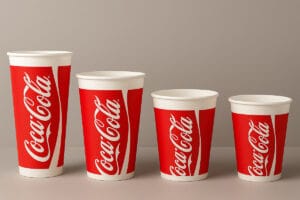
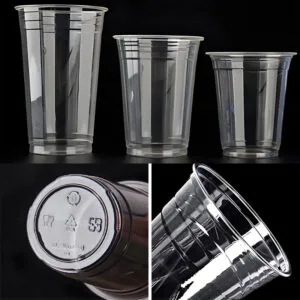
Visual Reference: Paper Cups and PLA Clear Cups
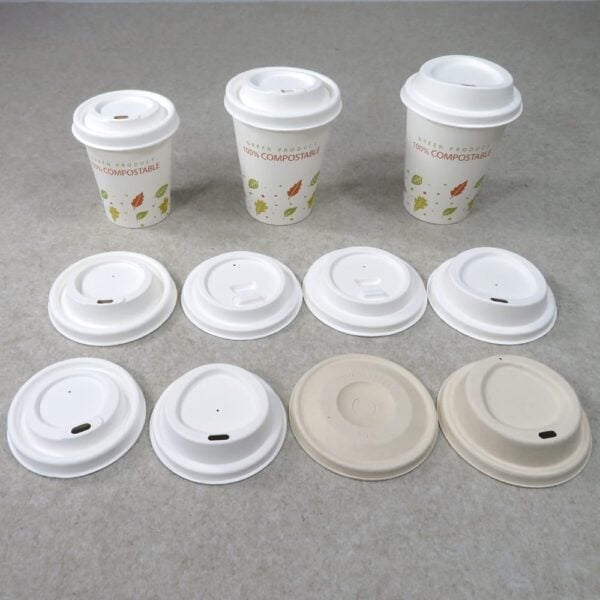
For buyers comparing sizes visually, below are common Bioleader® paper cup and PLA cup formats. Actual capacity, rim diameter, lid compatibility and carton packing should be confirmed before production.
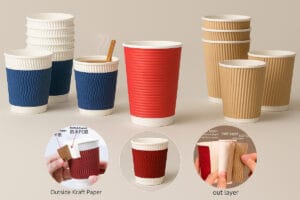
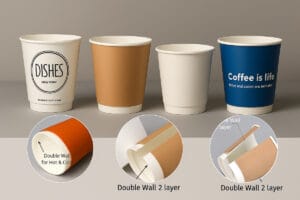
Disposable Paper Cups: Single Wall, Double Wall, Ripple Wall and Cold Cups
 |  |
 |  |
Compostable PLA Clear Cups for Cold Drinks
 |  |
Related Detailed Conversion Guides
This Hub page gives the full overview. For detailed explanations of specific high-traffic conversion topics, use the following pages:
8oz / 240ml / 250ml Guide
For small coffee cups, 8oz paper cups, PLA cups and 240–250ml serving sizes.
10oz / 300ml Guide
For medium coffee cups, 10oz disposable cups, 300ml PLA cups and custom paper cups.
700ml Guide
For 700ml, 24oz, 750ml, takeaway bowls, large cups and food container selection.
Buyer Checklist: Capacity, Lid Fit, Material and Carton Loading
Before confirming a disposable cup or bowl order, buyers should not rely on the oz or ml label alone. Two products with the same nominal capacity may have different rim diameters, lid fit, height, stackability and carton volume.
- Confirm exact capacity: full capacity and recommended filling capacity may be different.
- Check rim diameter: lid compatibility depends on top diameter and rim structure.
- Match the application: hot drinks, cold drinks, soups, salads and meals require different materials.
- Choose the coating: PE, PLA and water-based coatings have different market positioning and compliance logic.
- Review printing requirements: logo colors, full-wrap artwork and printing area should be confirmed before sampling.
- Calculate carton loading: carton size, CBM and container loading affect landed cost.
- Request documents: food-contact reports and compostability certificates should match the destination market.
Bioleader® Packaging Sourcing Note
For international sourcing, it is usually better to compare several nearby standard sizes instead of insisting on one exact converted volume. For example, a 700ml request may be better matched with a 24oz cup, 750ml bowl or 26oz container depending on lid availability, carton loading and menu application.
FAQ: Oz, ml and Cups for Disposable Packaging Buyers
Frequently Asked Questions
Q1. How many cups are in 8oz?
A: 8 US fluid ounces equals 1 US cup. This is the basic rule for US liquid measurement.
Q2. How many cups are in 12oz?
A: 12oz equals 1.5 US cups. In packaging, 12oz is commonly used for regular coffee, tea and takeaway beverages.
Q3. How many cups are in 16oz?
A: 16oz equals 2 US cups. It is a common large drink size for coffee, iced drinks and smoothies.
Q4. How many cups are in 20oz?
A: 20oz equals 2.5 US cups. This size is often used for large iced drinks, smoothies and milk tea.
Q5. How many cups are in 24oz?
A: 24oz equals 3 US cups. It is close to 700ml and is often compared with large cups, bowls and takeaway containers.
Q6. How many cups are in 32oz?
A: 32oz equals 4 US cups. It is often used for large takeaway bowls, large drinks or family-size portions.
Q7. Is oz the same as ml?
A: No. Ounces and milliliters are different units. One US fluid ounce is about 29.574 ml, while one US cup is about 236.6 ml.
Q8. What is the difference between fluid ounces and dry ounces?
A: Fluid ounces measure volume, while dry ounces measure weight. Disposable cups and bowls are normally described by volume, not dry weight.
Q9. Which cup size should a café choose?
A: Many cafés use 8oz for small drinks, 12oz for regular drinks, 16oz for large drinks and 20oz or 24oz for iced drinks or smoothies.
Q10. What should buyers confirm before ordering disposable cups or bowls?
A: Buyers should confirm capacity, top diameter, bottom diameter, height, lid fit, material, coating, printing requirements, carton size and compliance documents.
Conclusion
Converting oz, ml and cups is simple, but choosing the right disposable packaging requires more than a conversion result. Buyers should use this size guide as a starting point, then compare material, lid compatibility, printing requirements, carton loading and destination market compliance. Bioleader® helps foodservice brands, distributors and importers compare disposable paper cups, PLA clear cups, coated paper cups, bowls and takeaway container sizes for practical wholesale sourcing.