Trends In Georgia Plastic Ban: Market Insights, Innovations & FAQs | Bioleader® Guides

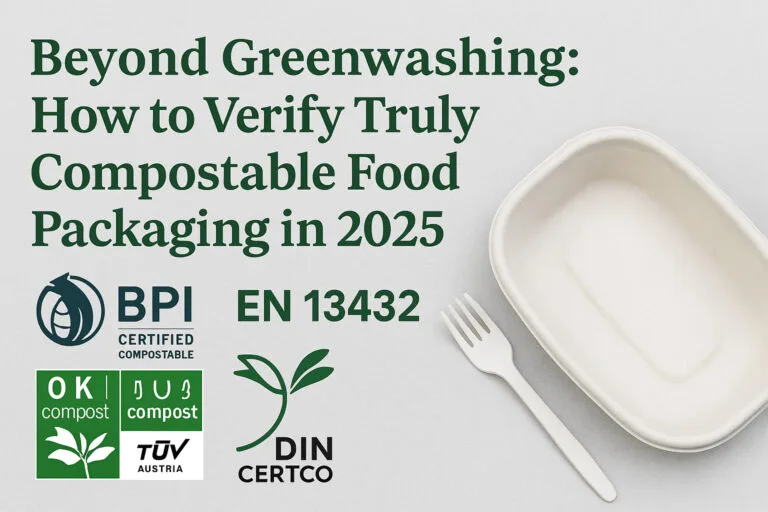
Actionable coverage of Georgia plastic ban: eco-friendly, biodegradable, compostable materials, performance data, and compliance under EN13432 & ASTM D6400. Includes BPI/TÜV references and Food-Contact Tested guidance for safe deployment. Buyer-focused: manufacturer insights, bulk/wholesale buying playbooks, OEM/ODM customization tips, full size range selection.
Georgia plastic ban — Quick Summary
  • Items displayed (articles): 12
  • Last updated: 2025-11-30
  • Includes test data, compliance guides, buyer FAQs, and real-world use cases.

Editor’s Picks: Top Georgia Plastic Ban Guides 2026

FAQ of Bioleader's Eco-friendly Disposable Tableware

1. What are bagasse food trays made from?

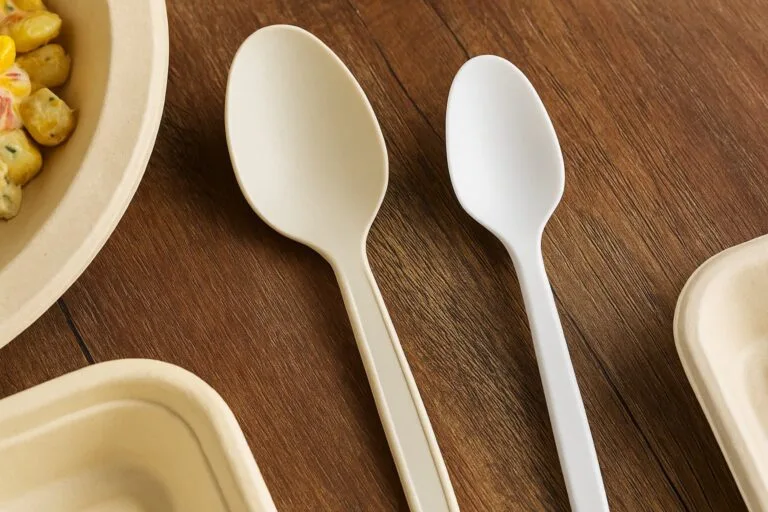
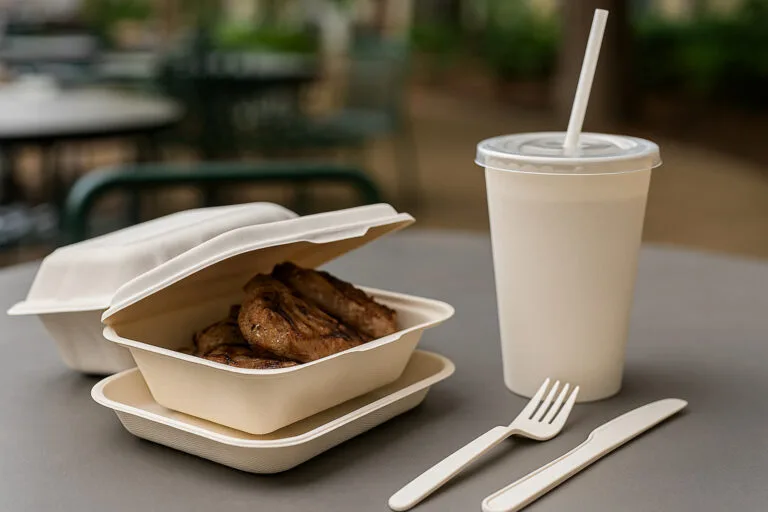
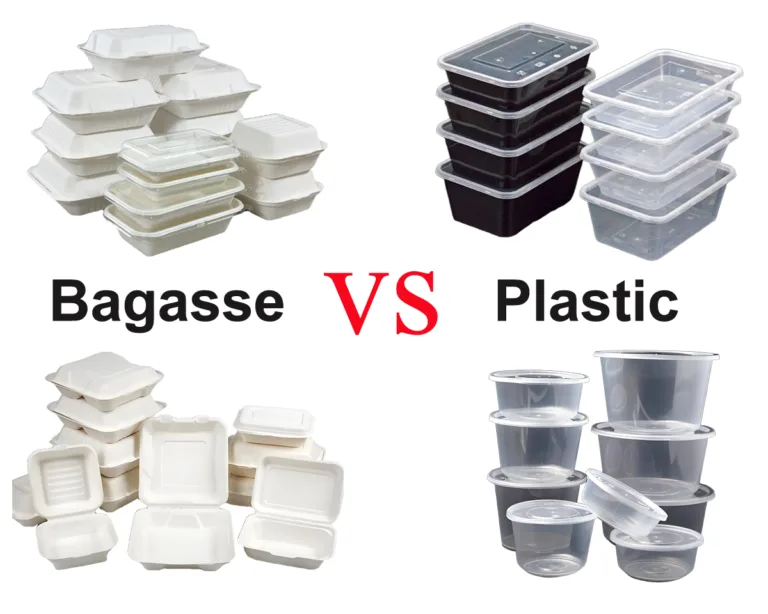
Bagasse food trays are made from the fibrous residue left after extracting juice from sugarcane. This renewable material is molded into sturdy, compostable trays, providing an eco-friendly alternative to plastic or foam trays.

Advantages Of Paper Pulp Moulding;

Strength &Durability: A variety of bagasse bowls have short life cycles owing to wear and tear that comes from a variety of food items, sugarcane bowls end that problem as they are extremely rigid. Leak Proof And Oil Resistant: Considering that they can handle soups and greasy foods, it is safe to say that these bowls can endure fast amounts of oil, soups, sauces, and any liquids — Georgia plastic ban. Microwave Safe: When you are out serving sugarcane bowls, there is no use to worry as they are microwave-safe. Key Features and Benefits of Paper Pulp Disposable Biodegradable bowls

Environment-Friendly Sustainability

Our bagasse trays are eco-friendly. They are compostable and biodegradable and do not leave any harmful traces after they disintegrate with time. Any food franchise or other businesses that would use the product would be using our takeaway trays with lids would be able to cut down on landfill waste.

The Rationale: Environmental Pressures and Plastic Waste Crisis

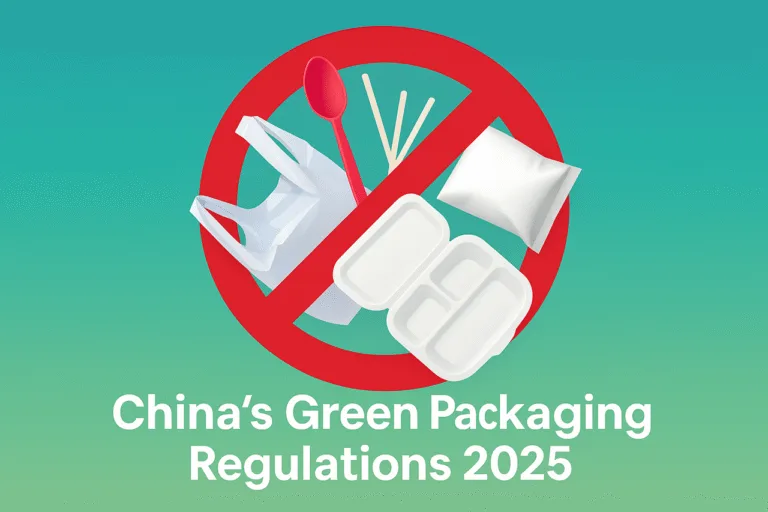
The push for this ban is rooted in mounting environmental pressures and mounting data on plastic pollution in Georgia. According to official and media sources: A nationwide waste-assessment study identified severe plastic pollution hotspots — especially along river basins such as the Rioni River Basin — where single-use plastic items constitute a substantial portion of river waste — Georgia plastic ban. In certain surveyed river sections, waste density reached nearly 4 plastic items per square meter, far exceeding levels typical of European rivers (approximately 0.5 items/m²). Statistically, Georgia reportedly consumes about 613.5 million single-use plastic items annually, translating into roughly 3.9 – 5.9 thousand tons of plastic waste each year — Georgia plastic ban.

United States (California, New York)

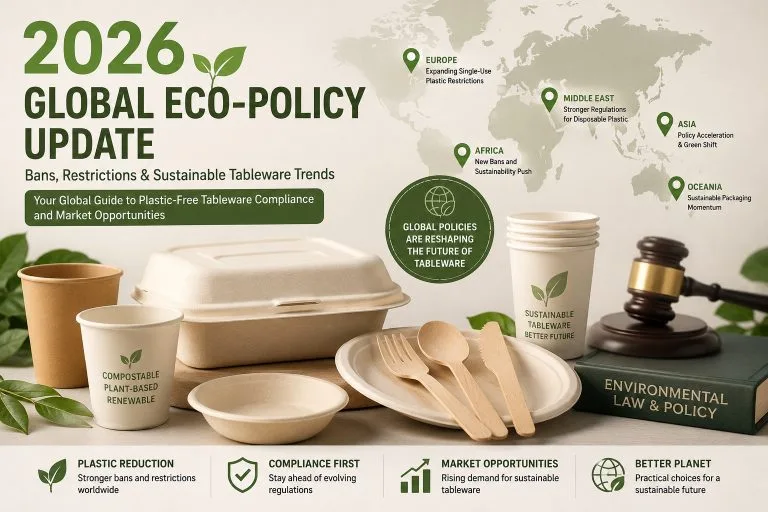
Several states in the United States, including California and New York, have taken early action in banning plastic packaging, particularly focusing on plastic food containers and cups. California, for example, has enacted policies to eliminate single-use plastics in foodservice by 2030. New York has followed suit with its statewide ban on plastic bags, which is expected to expand to include food packaging in the near future. This blog highlights the top 5 sustainable alternatives to single-use plastic cups, offering businesses in Georgia and globally, practical solutions to comply with upcoming regulations.

Related Insights

🚀Ready to Go Green and Choose ?

Join the global movement toward zero-waste packaging.


Bioleader® offers:

  • 📦 Bulk order support & fast delivery

  • ✍️ Custom branding and OEM solutions

  • 🌍 Worldwide eco-packaging compliance

Get the Catalogue Products List  & Contact Us Now! 👉

Contact us Below

Click or drag files to this area to upload.You can upload up to 5 files.
The more details you share, the faster and more accurate our quotation will be.