Guide To Future Of Food Packaging: Materials, Standards & Best Practices | Bioleader® Sustainable Packaging
Actionable coverage of future of food packaging: eco-friendly, biodegradable, compostable materials, performance data, and compliance under EN13432 & ASTM D6400. Includes BPI/TÜV references and Food-Contact Tested guidance for safe deployment. Buyer-focused: manufacturer insights, bulk/wholesale buying playbooks, OEM/ODM customization tips, full size range selection.
future of food packaging — Quick Summary
Items displayed (articles): 12
Last updated: 2025-10-18
Includes test data, compliance guides, buyer FAQs, and real-world use cases.
FAQ of Bioleader's Eco-friendly Disposable Tableware
What is BPI compostable cutlery made from?
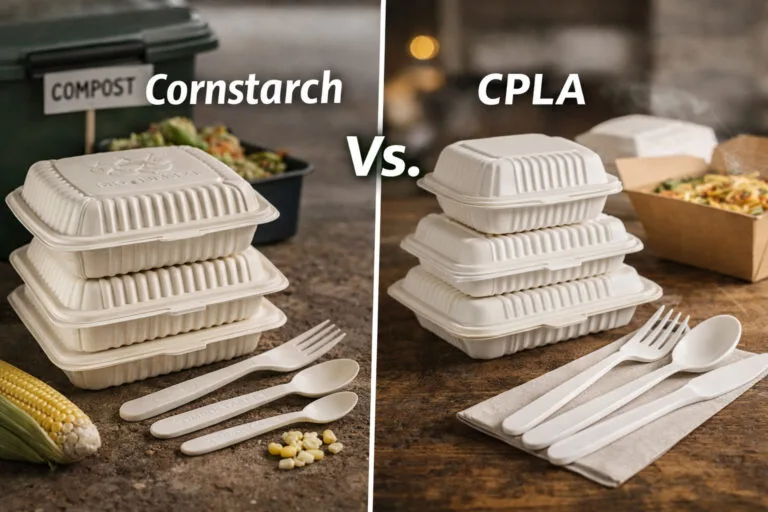
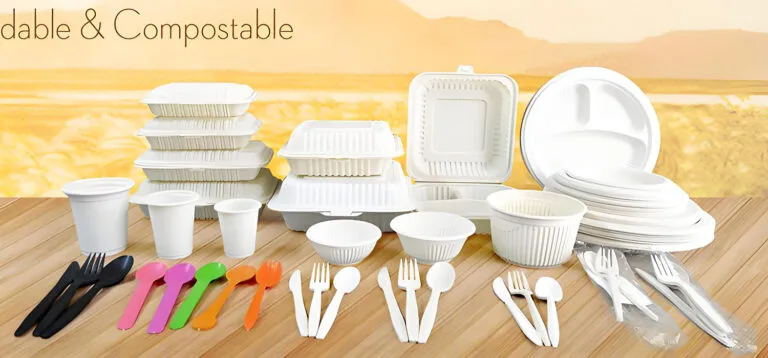
BPI compostable cutlery is typically made from plant-based materials such as cornstarch, PLA, or other renewable bioplastics that fully biodegrade under commercial composting conditions — future of food packaging.
What are biodegradable disposable spoons and forks?
Biodegradable Disposable Spoons Forks are disposable tableware that can be baked into a biodegradable solution, making them a more environmentally friendly option than standard plastic cutlery.
Why should businesses switch to bio plastic cutlery?
Switching to bio plastic cutlery helps reduce plastic waste, supports sustainability initiatives, meets consumer demand for eco-friendly products, and enhances brand reputation.
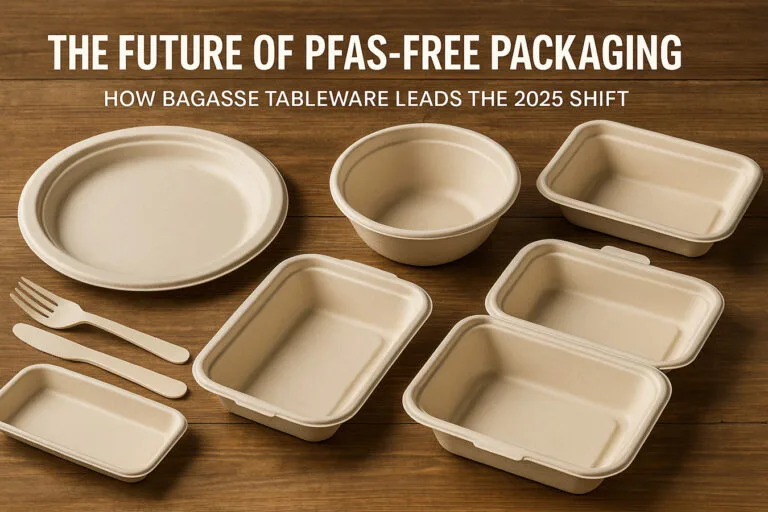
4.2 Bagasse (Sugarcane Fiber)
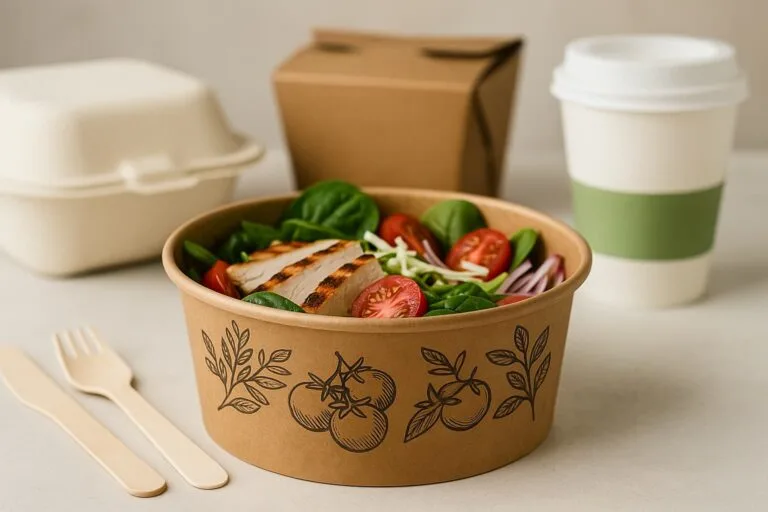
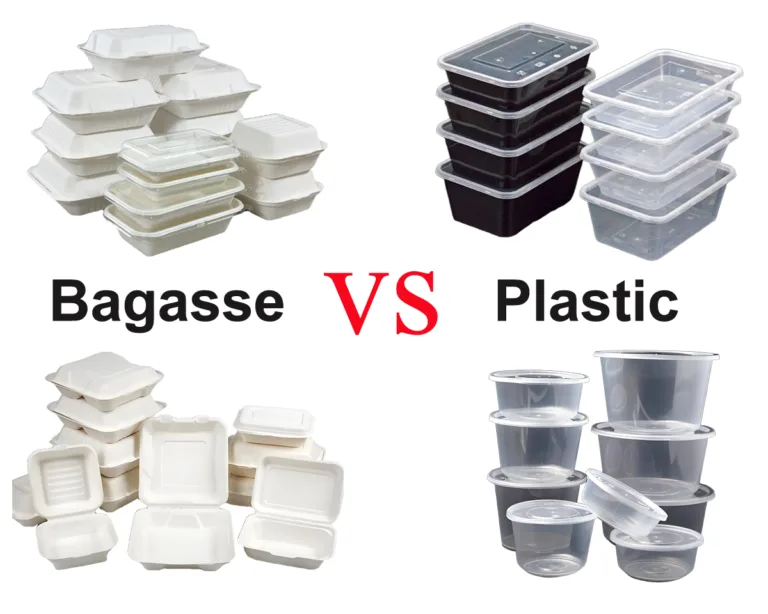
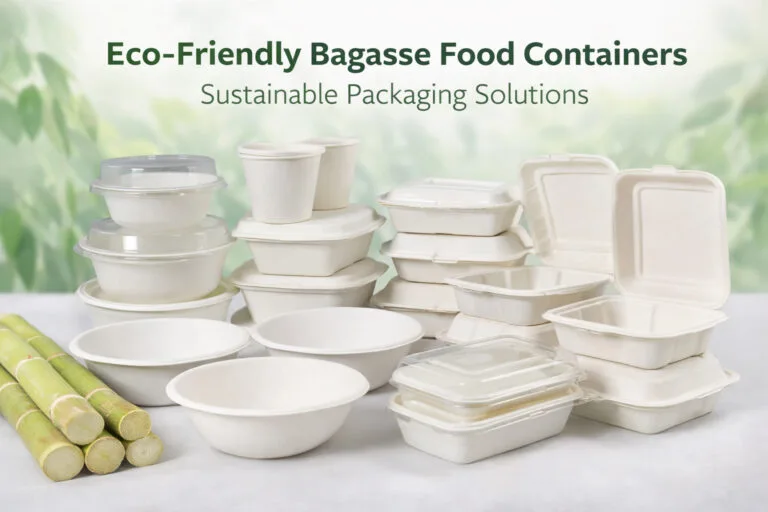
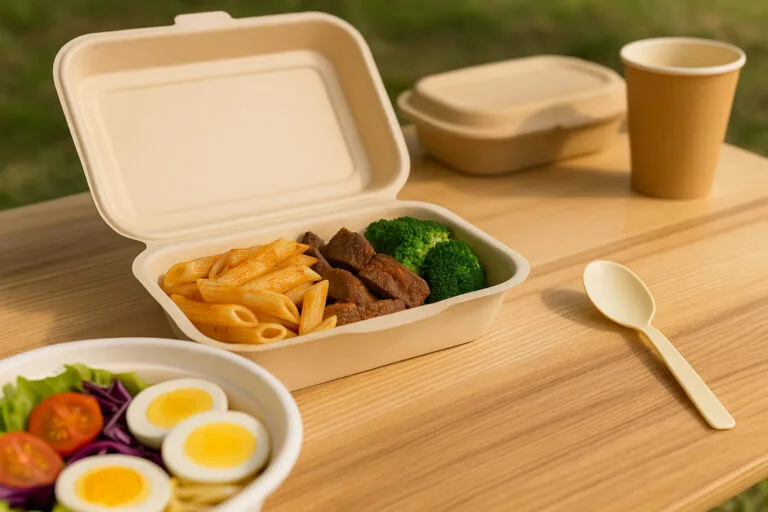
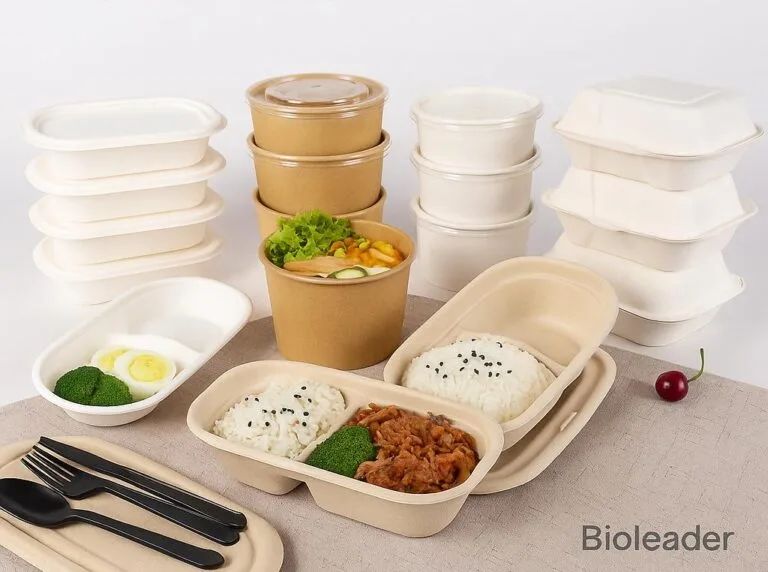
Sugarcane Bagasse Packaging Boxes Strengths , future of food packaging. Robust heat window; good rigidity at reasonable grammage; oil/water resistance achievable without PFAS; typically microwave-safe; industrial compostability common where facilities exist. Limitations , future of food packaging. Home composting consistency varies; performance is geometry- and densification-dependent; quality control (odor, migration) requires supplier discipline.
Is biodegradable tableware more expensive than plastic?
Initially, biodegradable options may cost slightly more, but prices are becoming more competitive as demand and production scale increase.