The 2025 Buyer’s Guide To EN13432 Certified Spoons | Bioleader® Guides

Actionable coverage of EN13432 certified spoons: eco-friendly, biodegradable, compostable materials, performance data, and compliance under EN13432 & ASTM D6400. Includes BPI/TÜV references and Food-Contact Tested guidance for safe deployment. Buyer-focused: manufacturer insights, bulk/wholesale buying playbooks, OEM/ODM customization tips, full size range selection.
EN13432 certified spoons — Quick Summary
  • Items displayed (articles): 12
  • Last updated: 2025-10-08
  • Includes test data, compliance guides, buyer FAQs, and real-world use cases.

Editor’s Picks: Top En13432 Certified Spoons Guides 2026

FAQ of Bioleader's Eco-friendly Disposable Tableware

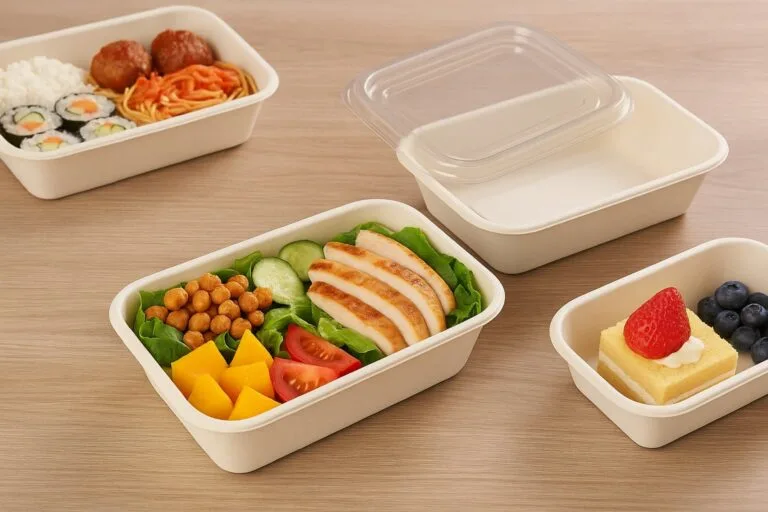
4. Can I order eco friendly trays with lids directly from a wholesale factory?

Yes. Many factories—especially in China, India, and Southeast Asia—offer bulk wholesale options with OEM/ODM services — EN13432 certified spoons. This includes custom branding, embossed logos, and private label packaging for large-volume buyers.

2. What materials are available for disposable food trays with lids?

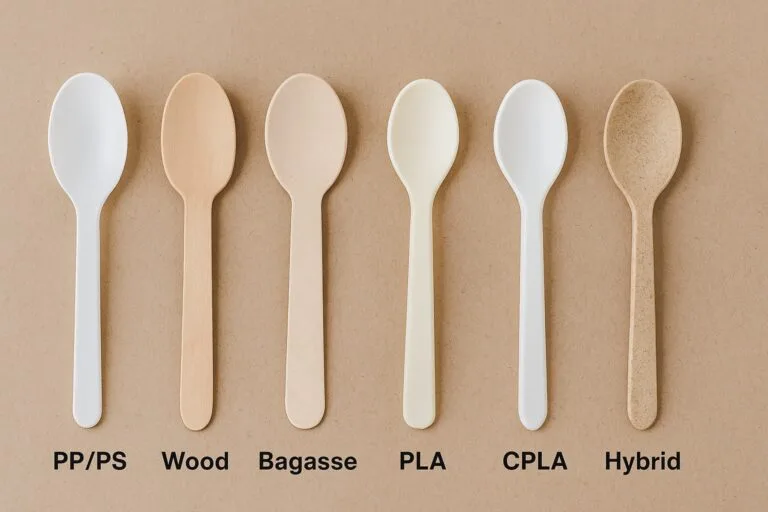
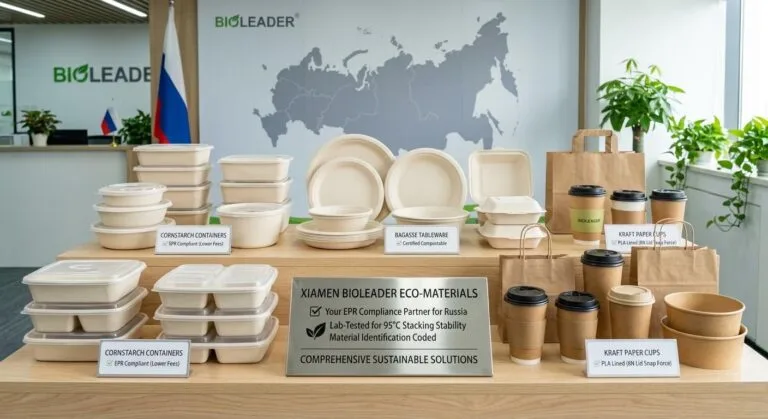
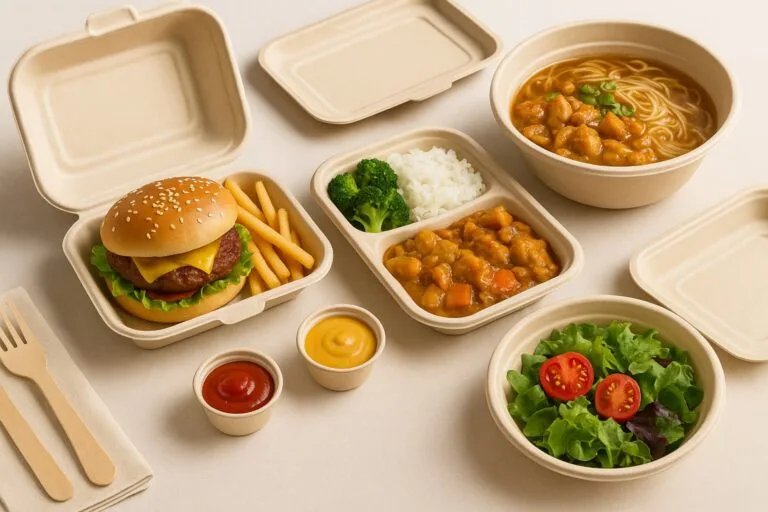
Common materials include sugarcane bagasse, kraft paper, aluminum, PET, PP, and PLA. For eco-conscious businesses, bagasse and PLA trays are preferred due to their compostable and biodegradable properties.

Foldable and Trustworthy Products

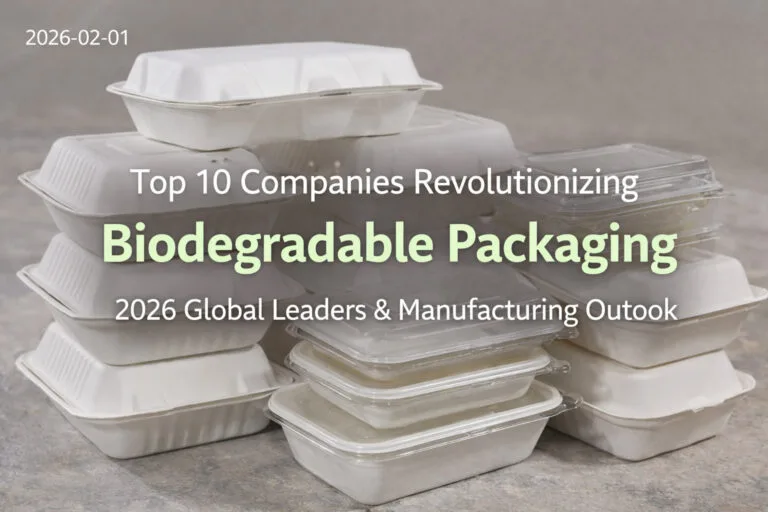
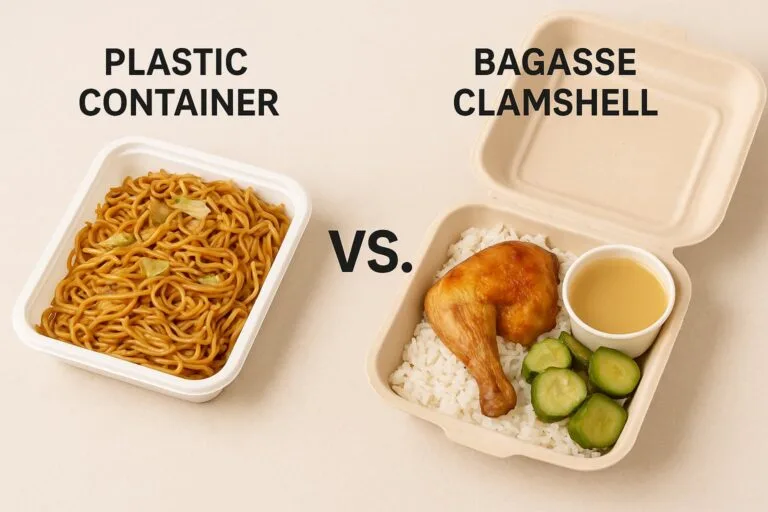
We have tough and strong bagasse trays that aren’t as flimsy as other products. They maintain their shape do not get damaged if overheated and can even withstand cold conditions. This strength also ensures that they survive the challenges that arise during delivery and takeaway. Versatile Usage Our takeaway trays with lids are perfect for a variety of applications.

PLA vs. CPLA—A Crucial Difference

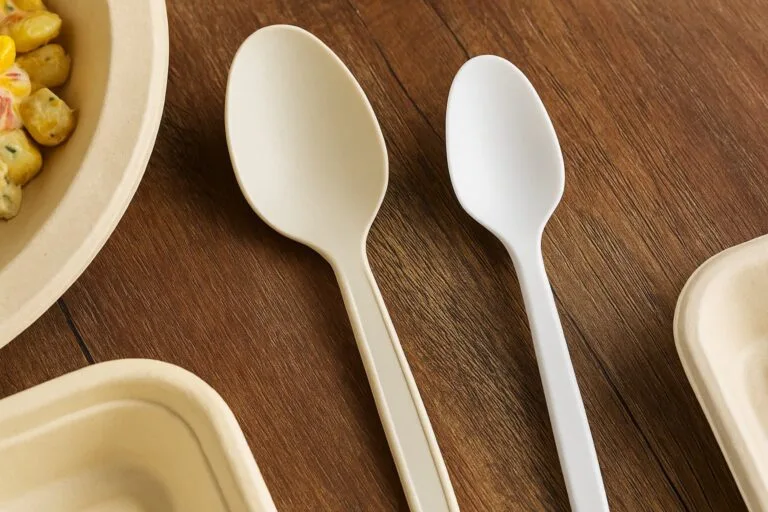
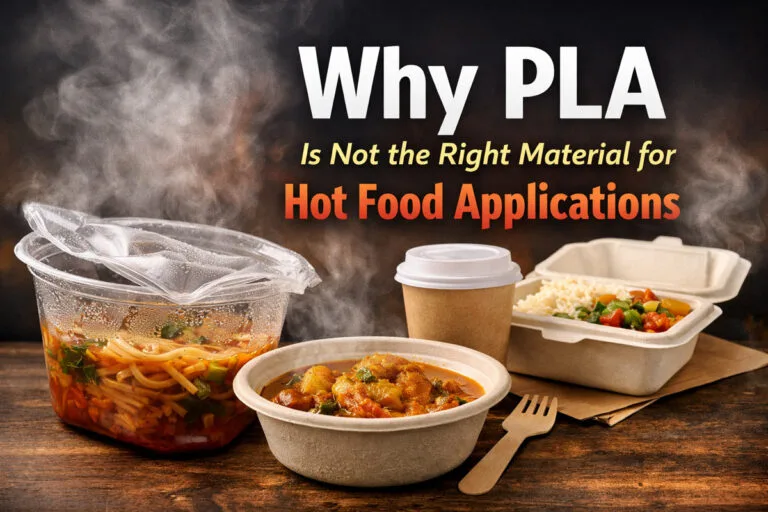
One of the most common missteps occurs when buyers assume all compostable spoons perform the same under heat. Standard PLA spoons, made from corn-based polylactic acid, begin softening around 55°C (131°F). That means they are adequate for cold foods like desserts, salads, or yogurt, but unsuitable for hot beverages or soups — EN13432 certified spoons. CPLA, on the other hand, is PLA that has undergone crystallization during manufacturing.

What is the difference between PLA and CPLA compostable spoons?

PLA spoons soften at around 55°C and are best for cold foods. CPLA spoons are crystallized, resisting up to 90°C, making them ideal for hot soups and beverages — EN13432 certified spoons.

Related Insights

🚀Ready to Go Green and Choose ?

Join the global movement toward zero-waste packaging.


Bioleader® offers:

  • 📦 Bulk order support & fast delivery

  • ✍️ Custom branding and OEM solutions

  • 🌍 Worldwide eco-packaging compliance

Get the Catalogue Products List  & Contact Us Now! 👉

Contact us Below

Click or drag files to this area to upload.You can upload up to 5 files.
The more details you share, the faster and more accurate our quotation will be.