Eco-friendly Bamboo Alternatives Compliance Checklist | Bioleader® Guides

Actionable coverage of eco-friendly bamboo alternatives: eco-friendly, biodegradable, compostable materials, performance data, and compliance under EN13432 & ASTM D6400. Includes BPI/TÜV references and Food-Contact Tested guidance for safe deployment. Buyer-focused: manufacturer insights, bulk/wholesale buying playbooks, OEM/ODM customization tips, full size range selection.

Bamboo has long captivated human imagination with its rapid growth and versatility. Known as one of the fastest-growing plants on Earth, certain bamboo species can surge upwards at astonishing rates, making it a subject of fascination for botanists and environmentalists alike. This remarkable growth underscores bamboo’s ecological significance and highlights its potential in sustainable development and various industries.

eco-friendly bamboo alternatives — Quick Summary
  • Items displayed (articles): 12
  • Last updated: 2025-02-22
  • Includes test data, compliance guides, buyer FAQs, and real-world use cases.

Editor’s Picks: Top Eco-friendly Bamboo Alternatives Guides 2026

FAQ of Bioleader's Eco-friendly Disposable Tableware

Are the bowls microwave- and freezer-safe?

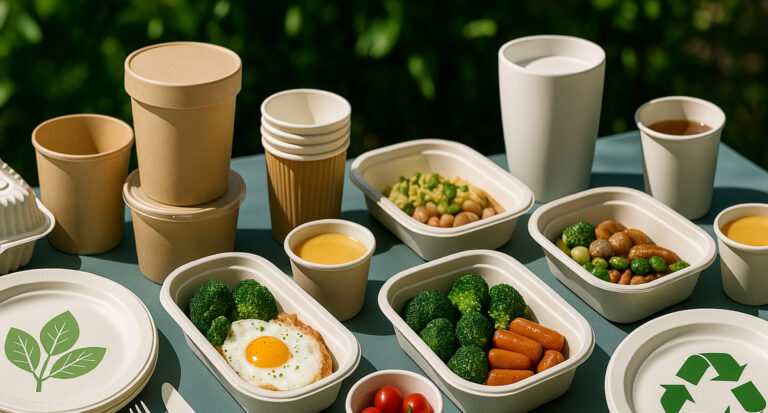
Yes, our biodegradable bowls are both microwaveable and freezer-safe, maintaining their structure and food safety even under temperature variations.

Is there a possibility to order the bowls with my logo?

Of course! Custom printing is an opportunity for you to order bowls with your logo or design printed on them. Do not hesitate to ask for additional information regarding the special applications — eco-friendly bamboo alternatives.

Can these bowls be used in a microwave?

Yes, our eco friendly disposable bowls are microwaveable, which allows users to heat food without the need of an extra bowl — eco-friendly bamboo alternatives.

Why is bamboo considered a sustainable resource?

Bamboo is considered sustainable due to its rapid growth and renewability — eco-friendly bamboo alternatives. It can be harvested in 3–5 years, compared to decades for traditional timber. Additionally, bamboo's extensive root systems help prevent soil erosion and sequester carbon dioxide.

What factors influence bamboo growth rates?

Bamboo growth rates are influenced by species variability, environmental conditions such as temperature, soil quality, and water availability, and the age of the culm, with young shoots growing the fastest.

Related Insights

🚀Ready to Go Green and Choose ?

Join the global movement toward zero-waste packaging.


Bioleader® offers:

  • 📦 Bulk order support & fast delivery

  • ✍️ Custom branding and OEM solutions

  • 🌍 Worldwide eco-packaging compliance

Get the Catalogue Products List  & Contact Us Now! 👉

Contact us Below

Click or drag files to this area to upload.You can upload up to 5 files.
The more details you share, the faster and more accurate our quotation will be.