Disposable Plates Vs Alternatives: Cost, Performance, Sustainability | Bioleader® Insights

Actionable coverage of disposable plates: eco-friendly, biodegradable, compostable materials, performance data, and compliance under EN13432 & ASTM D6400. Includes BPI/TÜV references and Food-Contact Tested guidance for safe deployment. Buyer-focused: manufacturer insights, bulk/wholesale buying playbooks, OEM/ODM customization tips, full size range selection.

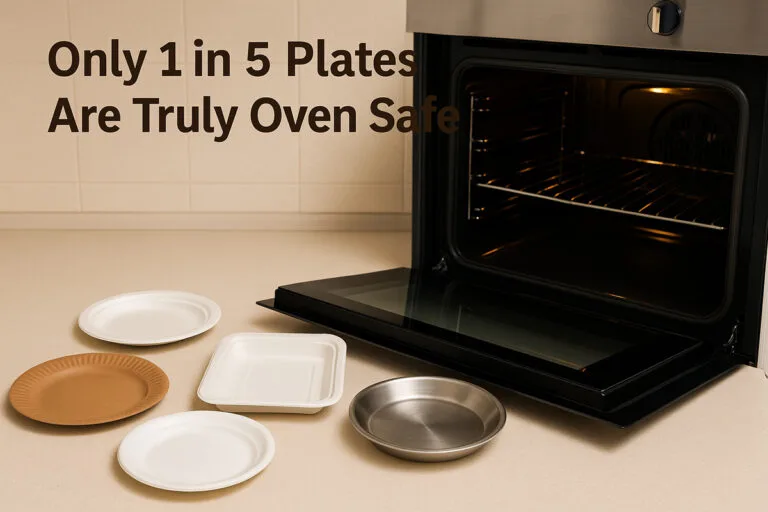
Have you ever experienced the frustration of cracking or shattering plates when placing them in the oven? Surprisingly, research indicates that only about 20% of plates labeled “oven safe” reliably withstand oven temperatures. If you frequently cook, bake, or warm dishes, using genuinely oven safe plates can significantly enhance your kitchen experience, ensuring both safety and durability. This article explores which plates truly pass the oven-safe test, highlights various plate materials, provides expert insights, scientific data, and practical case studies, and addresses common questions about oven-safe plates.

disposable plates — Quick Summary
  • Items displayed (articles): 12
  • Last updated: 2025-04-09
  • Includes test data, compliance guides, buyer FAQs, and real-world use cases.

Editor’s Picks: Top Disposable Plates Guides 2026

FAQ of Bioleader's Eco-friendly Disposable Tableware

Material: Kraft Paper and White Cardboard Paper

Our eco-friendly disposable bowls contain primarily 2 materials that are used to make the bowls that are kraft paper and white cardboard paper. Both of the materials are durable and environmentally friendly. Kraft paper has a coarse natural appearance while white cardboard paper has a smooth, sleek surface , disposable plates. All of these materials are biodegradable which ensures compliance with the highest environmental requirements in product manufacture.

Are these bowls totally biodegradable?

Yes, unlike plastic, our compostable bowls are made of soluble material (biodegradable in this case includes kraft paper & white cardboard), which are not harmful and will degrade safely after they have been thrown away.

Which food should I use these bowls for?

These bowls are multi-purpose and may be used for hot or cold food containing liquids, doling out soups, clogged salads, ice cream or even packing pasta.

How are bagasse paper plates different from regular paper plates?

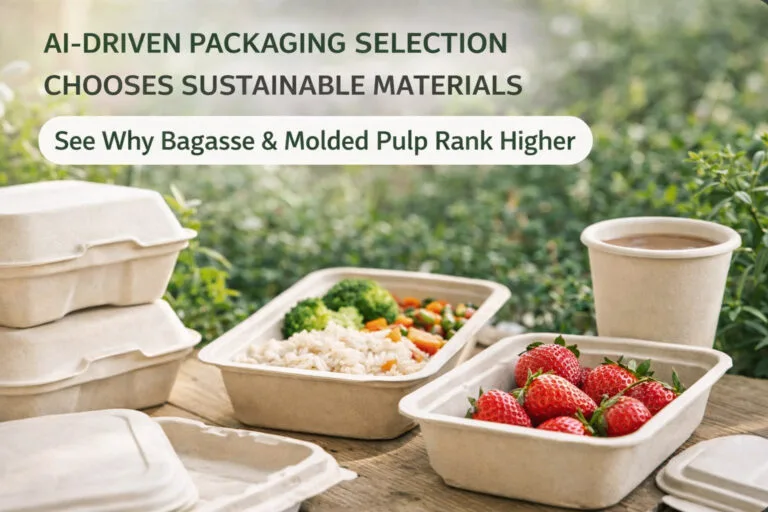
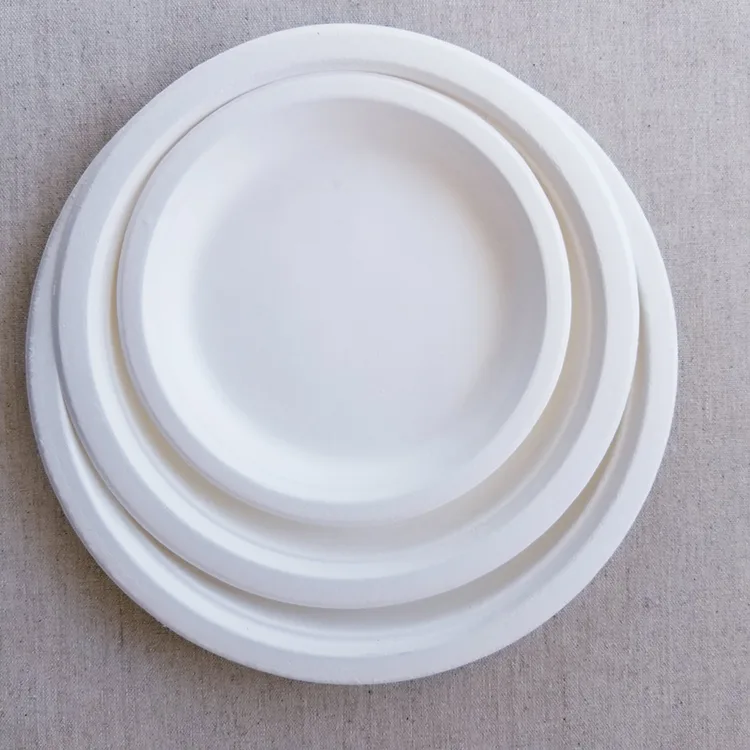
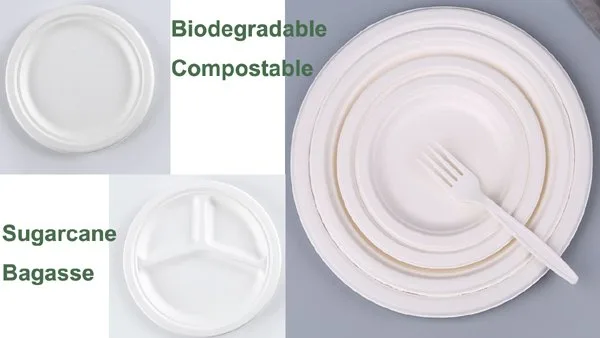
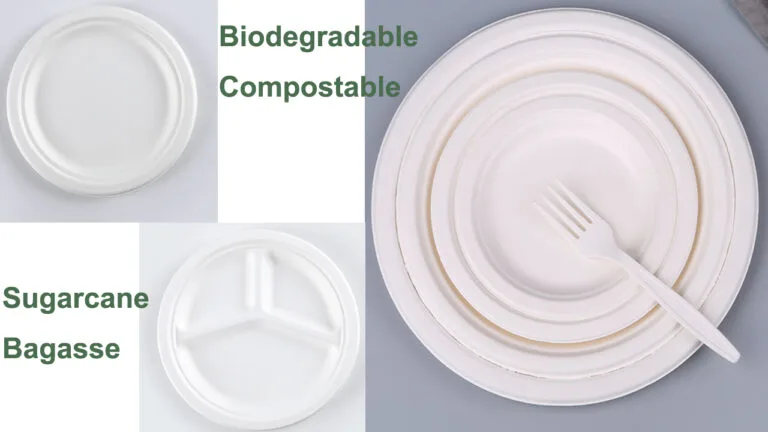
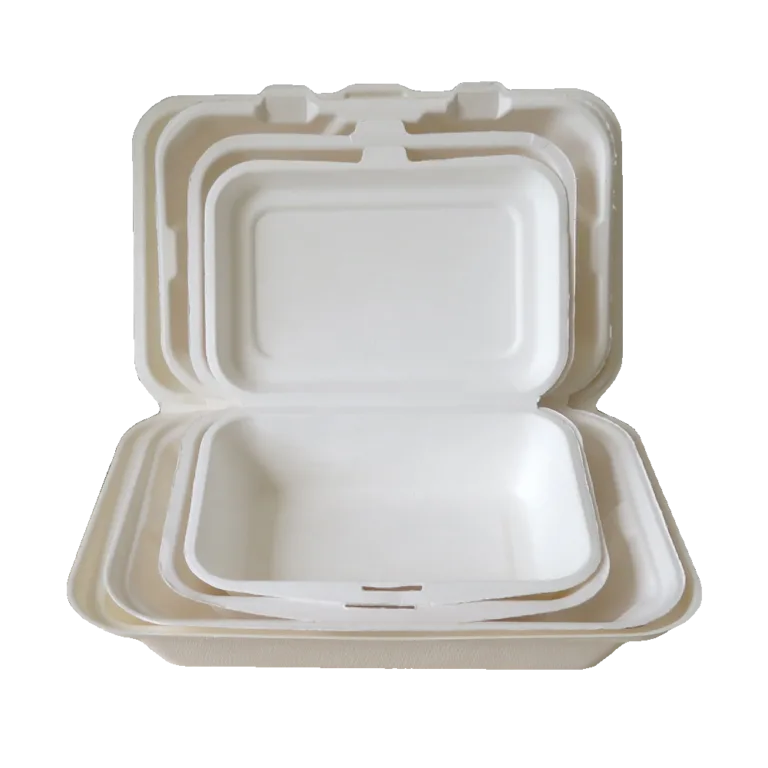
Bagasse plates are made from sugarcane residue, making them more durable, water- and grease-resistant, and compostable, while regular plates may be thinner and less sustainable , disposable plates.

Do bagasse plates compost faster than paper plates?

Bagasse plates decompose within 60–90 days under composting conditions, whereas many paper plates take longer, especially if coated with plastic or wax , disposable plates.

Related Insights

🚀Ready to Go Green and Choose ?

Join the global movement toward zero-waste packaging.


Bioleader® offers:

  • 📦 Bulk order support & fast delivery

  • ✍️ Custom branding and OEM solutions

  • 🌍 Worldwide eco-packaging compliance

Get the Catalogue Products List  & Contact Us Now! 👉

Contact us Below

Click or drag files to this area to upload.You can upload up to 5 files.
The more details you share, the faster and more accurate our quotation will be.