Guide To Custom Compostable Cups: Materials, Standards & Best Practices | Bioleader® Insights

Actionable coverage of custom compostable cups: eco-friendly, biodegradable, compostable materials, performance data, and compliance under EN13432 & ASTM D6400. Includes BPI/TÜV references and Food-Contact Tested guidance for safe deployment. Buyer-focused: manufacturer insights, bulk/wholesale buying playbooks, OEM/ODM customization tips, full size range selection.

In today’s increasingly severe environmental crisis, compostable plastic cups are emerging as the ideal alternative to conventional plastic cups. While traditional plastic cups take centuries to degrade – polluting our environment and endangering ecosystems – compostable cups can rapidly break down into harmless compost under specific conditions, effectively solving both plastic pollution and resource waste. With policies like the EU’s “Plastic Ban” and growing consumer environmental awareness, a global packaging revolution is underway. Compostable plastic cups not only reduce carbon footprint by 60% but also enhance corporate image while winning over eco-conscious consumers. This article explores how this green transition achieves both environmental benefits and business value.

custom compostable cups — Quick Summary
  • Items displayed (articles): 12
  • Last updated: 2025-04-14
  • Includes test data, compliance guides, buyer FAQs, and real-world use cases.

Editor’s Picks: Top Custom Compostable Cups Guides 2026

FAQ of Bioleader's Eco-friendly Disposable Tableware

Multipurpose Application:

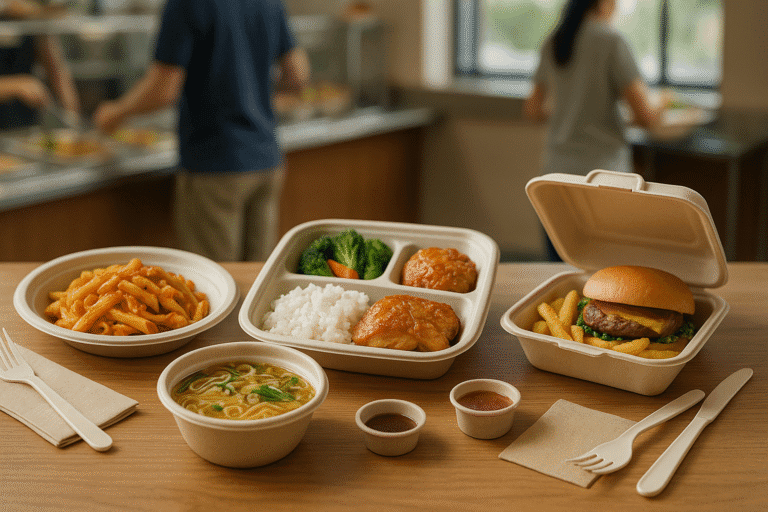
Suitable for All Foods: Drying salads and up until greasy noodles soup is served, these bowls are suitable to contain all — custom compostable cups. They are also called biodegradable bowls. Great for Delivery and Takeaway: These biodegradable disposable bowls are ideal for delivery or takeaway by restaurants, food trucks, and e-catering businesses. Effective means of sustainable packaging.

3. Do eco trays come with multiple compartments?

Absolutely — custom compostable cups. Many manufacturers offer trays in 1, 2, 3, or 5-compartment designs. This allows proper separation of different food items, which is especially useful for meal prep, airline meals, and school lunch programs — custom compostable cups.

1. What materials are commonly used for takeaway containers with lids?

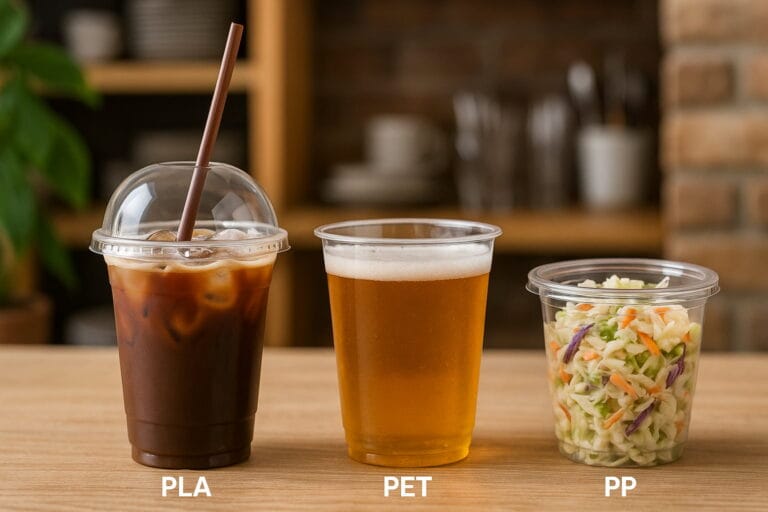
Takeaway containers are made from a variety of materials including sugarcane bagasse, kraft paper, PLA bioplastics, PP plastic, and aluminum. For eco-friendly applications, compostable bagasse and PLA are the most sustainable choices.

Material Composition

Compostable Cups: Made from renewable, plant-based materials (e.g., PLA, PHA). Traditional Plastic Cups: Derived from non-renewable petroleum-based resources.

Health Considerations

Compostable Cups: Free from harmful chemicals like BPA. Traditional Plastic Cups: May contain toxic substances that can leach into beverages.

Related Insights

🚀Ready to Go Green and Choose ?

Join the global movement toward zero-waste packaging.


Bioleader® offers:

  • 📦 Bulk order support & fast delivery

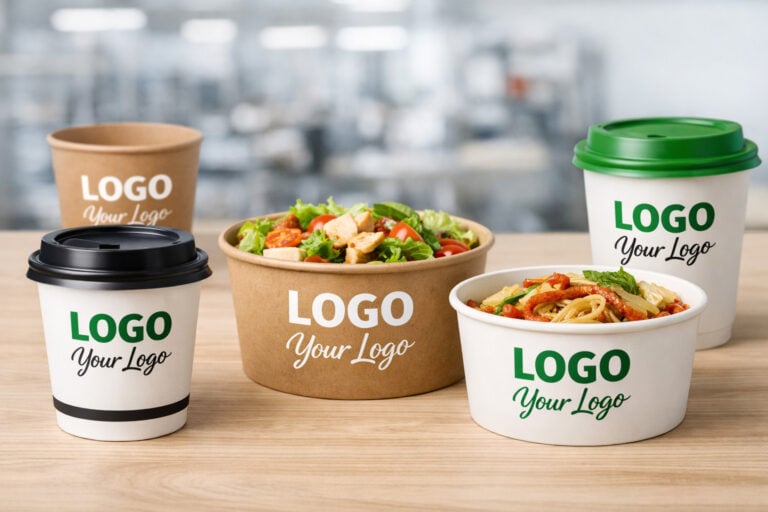
  • ✍️ Custom branding and OEM solutions

  • 🌍 Worldwide eco-packaging compliance

Get the Catalogue Products List  & Contact Us Now! 👉

Contact us Below

Click or drag files to this area to upload.You can upload up to 5 files.
The more details you share, the faster and more accurate our quotation will be.