Cornstarch Vs PLA Overview For Businesses | Bioleader® Insights
Actionable coverage of cornstarch vs PLA: eco-friendly, biodegradable, compostable materials, performance data, and compliance under EN13432 & ASTM D6400. Includes BPI/TÜV references and Food-Contact Tested guidance for safe deployment. Buyer-focused: manufacturer insights, bulk/wholesale buying playbooks, OEM/ODM customization tips, full size range selection.
cornstarch vs PLA — Quick Summary
Items displayed (articles): 12
Last updated: 2024-05-30
Includes test data, compliance guides, buyer FAQs, and real-world use cases.
FAQ of Bioleader's Eco-friendly Disposable Tableware
Can businesses customize BPI compostable cutlery packaging?
Absolutely , cornstarch vs PLA. BPI compostable cutlery offers customizable packaging options, including logo printing and tailored designs to support branding and marketing needs.
Why should businesses switch to bio plastic cutlery?
Switching to bio plastic cutlery helps reduce plastic waste, supports sustainability initiatives, meets consumer demand for eco-friendly products, and enhances brand reputation.
How long does BPI compostable cutlery take to decompose?
Under commercial composting conditions, BPI compostable cutlery typically decomposes within 90 to 180 days, depending on local facility standards and materials used.
Biodegradable vs Compostable (Scientifically)
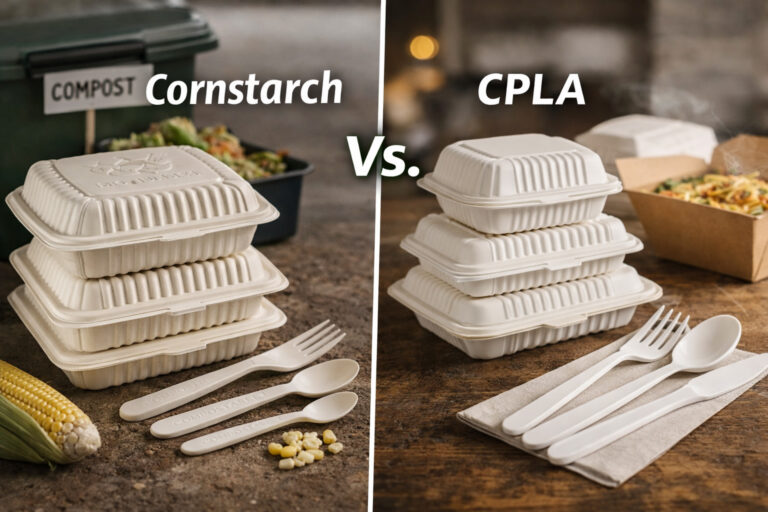
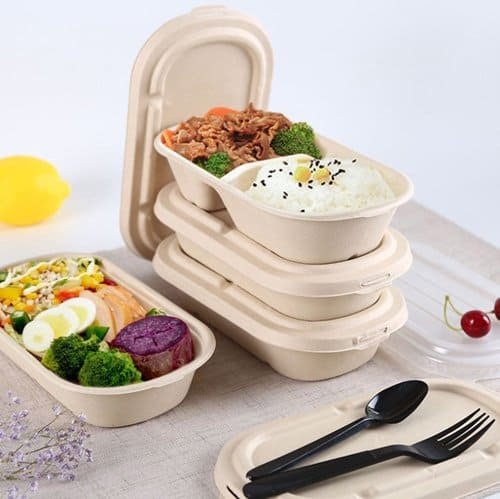
Biodegradable: material can be broken down by microorganisms over time Compostable: material breaks down under defined conditions within a specified timeframe, leaving no toxic residue Most cornstarch tableware products are: Biodegradable Industrially compostable Not reliably home compostable , cornstarch vs PLA.
Evidence Snapshot: What Research and Industry Data Show
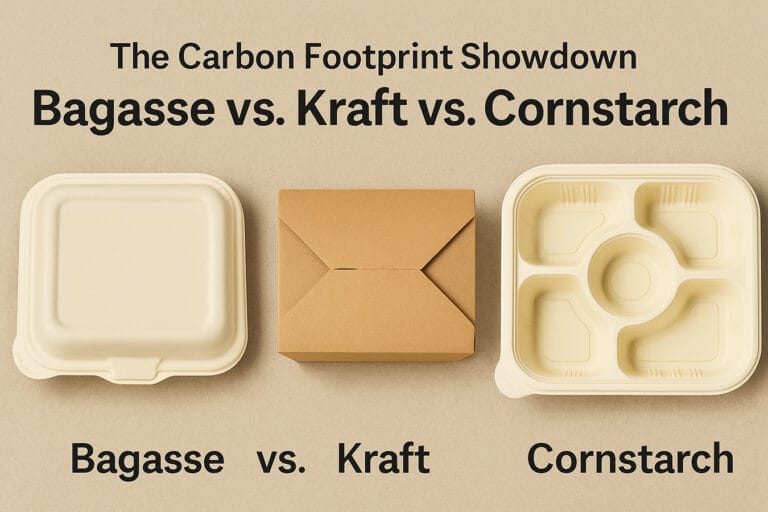
Lifecycle impact: Multiple life cycle assessments indicate that starch-based tableware has lower fossil carbon input than petroleum plastics, due to biogenic carbon uptake during corn cultivation. Waste management reality: Global recycling rates for small plastic foodservice items remain below 10%, making compostable alternatives more viable in controlled systems — cornstarch vs PLA. Composting conditions: Industrial composting facilities provide the temperature (≈55–60°C) and microbial activity required for starch-based polymers to break down within defined timeframes. Material safety: Cornstarch tableware is typically free from BPA, PFAS, and phthalates, addressing increasing food-contact safety concerns.