Cornstarch Vs Bagasse: Practical Use Cases | Bioleader® Insights

Actionable coverage of cornstarch vs bagasse: eco-friendly, biodegradable, compostable materials, performance data, and compliance under EN13432 & ASTM D6400. Includes BPI/TÜV references and Food-Contact Tested guidance for safe deployment. Buyer-focused: manufacturer insights, bulk/wholesale buying playbooks, OEM/ODM customization tips, full size range selection.
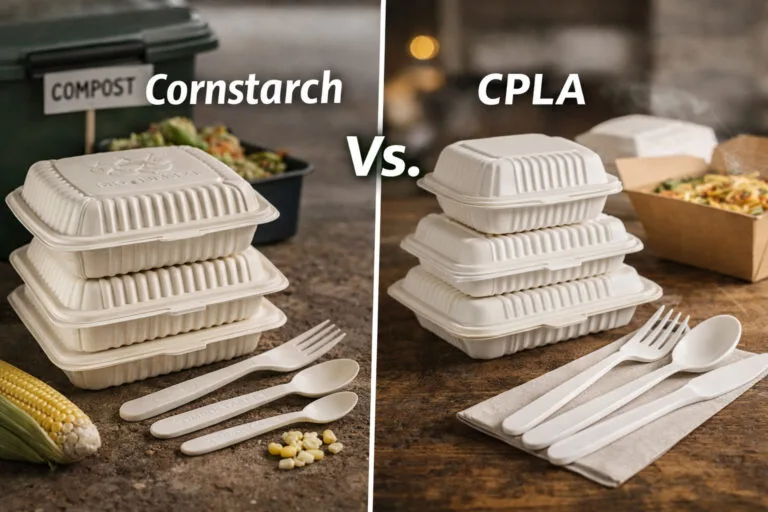
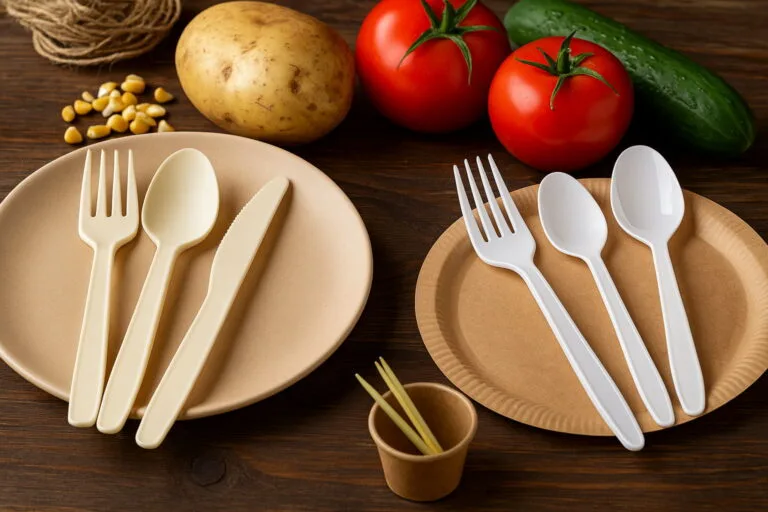
Quick Summary: Cornstarch tableware provides one of the closest functional replacements for single-use plastic, particularly for cutlery, lightweight containers, and foodservice accessories. While it requires industrial composting to fully realize its environmental benefits, it offers a balanced combination of usability, reduced fossil dependency, and regulatory alignment.
cornstarch vs bagasse — Quick Summary
  • Items displayed (articles): 12
  • Last updated: 2024-05-30
  • Includes test data, compliance guides, buyer FAQs, and real-world use cases.

Editor’s Picks: Top Cornstarch Vs Bagasse Guides 2026

FAQ of Bioleader's Eco-friendly Disposable Tableware

Are these bowls available in different styles?

Yes! There are no restrictions to full customization, including printing logos and designs. To know more, please get in touch with us , cornstarch vs bagasse.

They cannot take away hot foods?

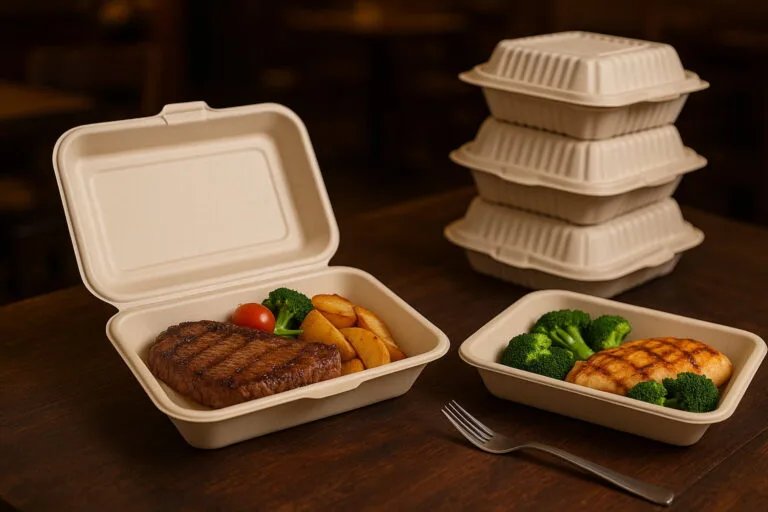
Yes, of course. These salad bowls kraft paper and can take hot food as well as cold food, hence usable for a range of dishes.

Are these bowls totally biodegradable?

Yes, unlike plastic, our compostable bowls are made of soluble material (biodegradable in this case includes kraft paper & white cardboard), which are not harmful and will degrade safely after they have been thrown away — cornstarch vs bagasse.

Biodegradable vs Compostable (Scientifically)

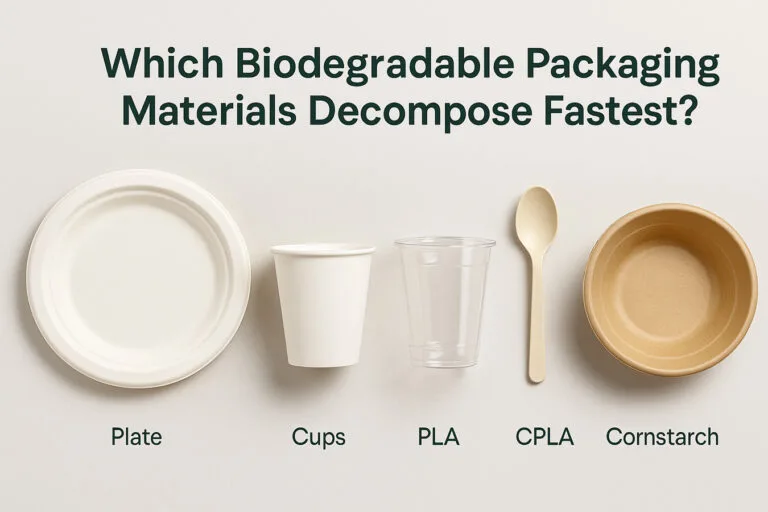
Biodegradable: material can be broken down by microorganisms over time Compostable: material breaks down under defined conditions within a specified timeframe, leaving no toxic residue Most cornstarch tableware products are: Biodegradable Industrially compostable Not reliably home compostable — cornstarch vs bagasse.

Key Findings from Comparative LCAs

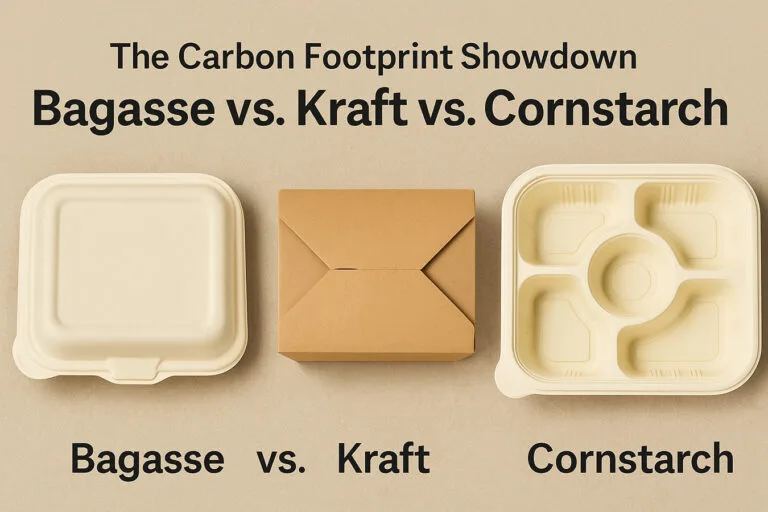
Multiple studies comparing bio-based plastics to conventional plastics show: Lower greenhouse gas emissions due to biogenic carbon uptake during corn growth Reduced fossil energy consumption Lower long-term environmental persistence However, LCAs also highlight trade-offs: Agricultural inputs (water, fertilizer) Land-use considerations Dependence on waste management systems This places cornstarch tableware in a “net positive but conditional” sustainability category, rather than a universal solution.

Related Insights

🚀Ready to Go Green and Choose ?

Join the global movement toward zero-waste packaging.


Bioleader® offers:

  • 📦 Bulk order support & fast delivery

  • ✍️ Custom branding and OEM solutions

  • 🌍 Worldwide eco-packaging compliance

Get the Catalogue Products List  & Contact Us Now! 👉

Contact us Below

Click or drag files to this area to upload.You can upload up to 5 files.
The more details you share, the faster and more accurate our quotation will be.