FAQ of Bioleader's Eco-friendly Disposable Tableware
Is bio plastic cutlery safe for hot foods?
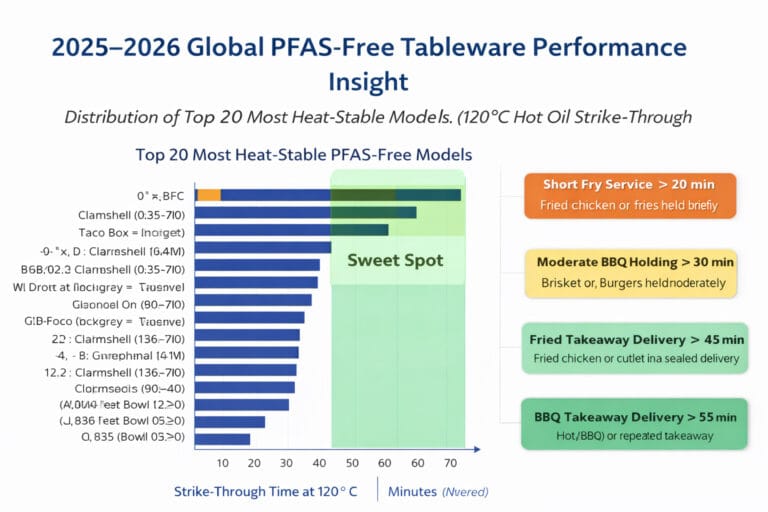
Yes, bio plastic cutlery is designed to be heat-resistant and durable, making it suitable for use with both hot and cold foods in various dining environments.
Are there trends toward more sustainable disposable tableware?
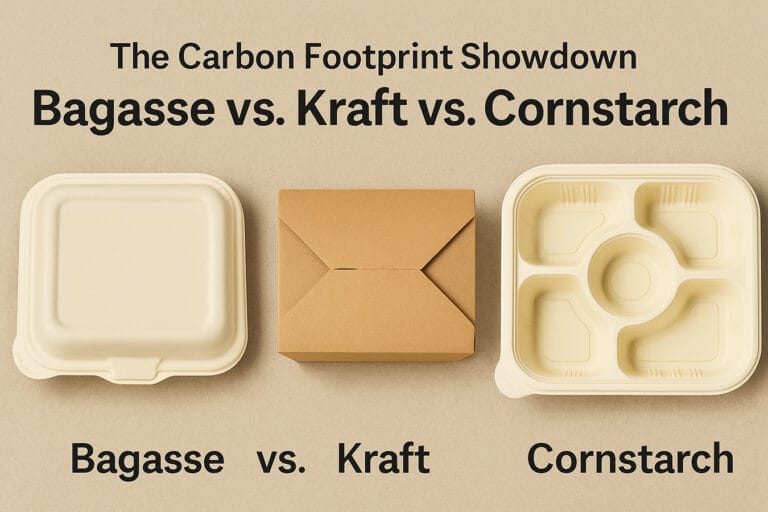
As the industry moves forward, so do the trends with it: disposable plates that don’t hurt the environment are already here , Cornstarch compostability.
Why are compostable sporks considered better for the environment?
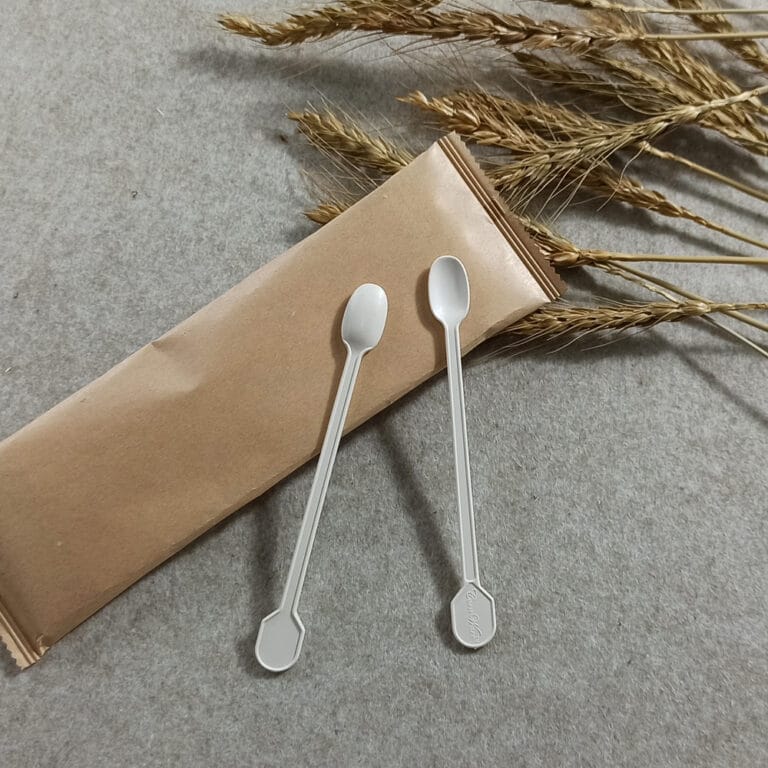
Compostable sporks reduce reliance on petroleum-based plastics, break down naturally without leaving microplastics, and support a circular economy by turning waste into compost , Cornstarch compostability.
Can cornstarch tableware be composted at home?
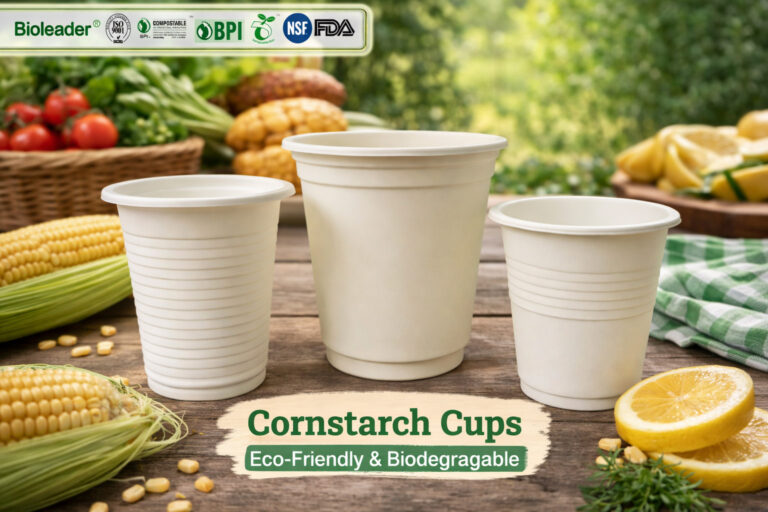
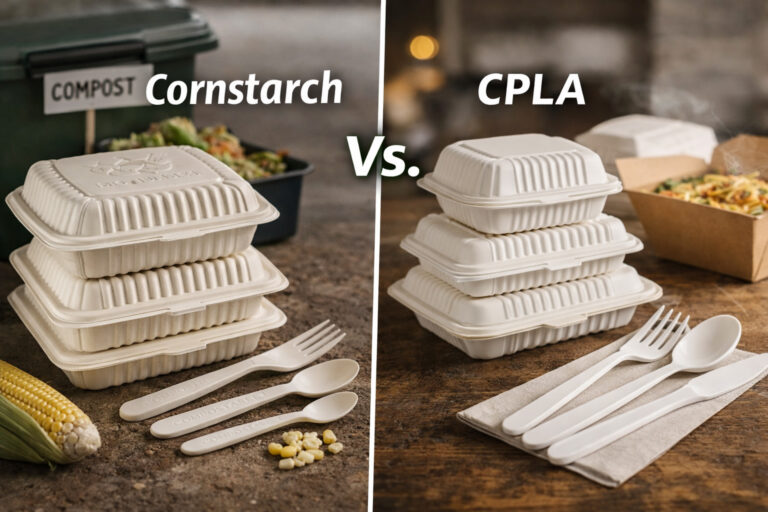
Some cornstarch tableware may decompose in home compost systems, but most require higher temperatures and microbial activity found in industrial composting , Cornstarch compostability.
Is cornstarch tableware actually compostable?
Yes, cornstarch tableware is compostable when certified. It breaks down into organic matter under industrial composting conditions within 90–180 days.