Guide To Consumer Preferences: Materials, Standards & Best Practices | Bioleader® Insights
Actionable coverage of consumer preferences: eco-friendly, biodegradable, compostable materials, performance data, and compliance under EN13432 & ASTM D6400. Includes BPI/TÜV references and Food-Contact Tested guidance for safe deployment. Buyer-focused: manufacturer insights, bulk/wholesale buying playbooks, OEM/ODM customization tips, full size range selection.
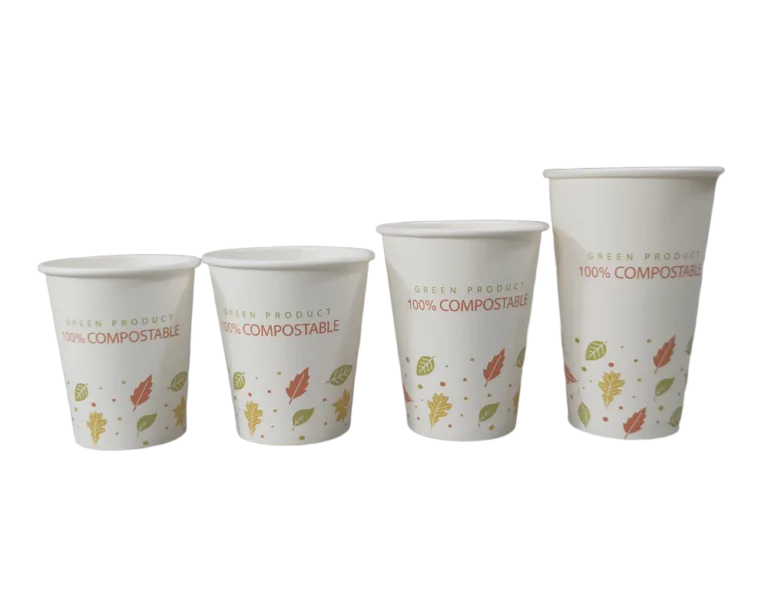
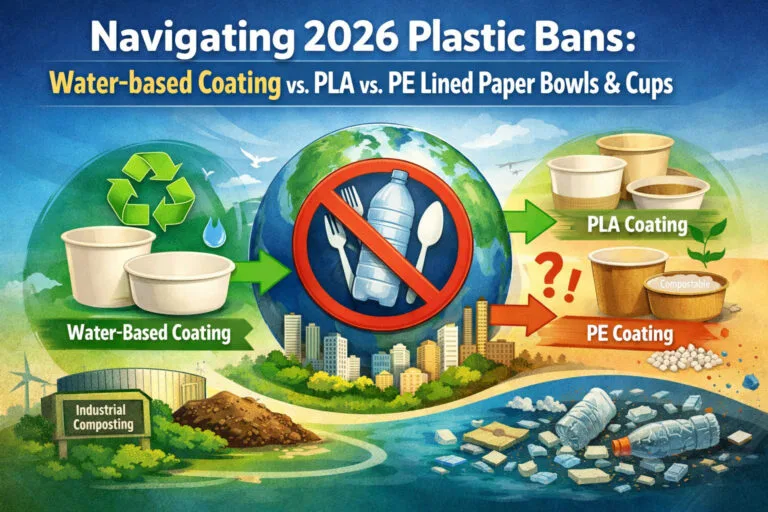
As the world moves toward more sustainable packaging solutions, businesses and consumers increasingly scrutinize the materials used in everyday products like disposable paper cups. A critical decision comes down to the type of lining—PLA (polylactic acid) or PE (polyethylene)—that provides the cup’s inner moisture barrier. This blog explores the key differences between PLA and PE linings, focusing on their materials, environmental impact, functionality, and economic implications, to help you make an informed choice.
consumer preferences — Quick Summary
Items displayed (articles): 12
Last updated: 2025-02-06
Includes test data, compliance guides, buyer FAQs, and real-world use cases.
FAQ of Bioleader's Eco-friendly Disposable Tableware
Material: Kraft Paper and White Cardboard Paper
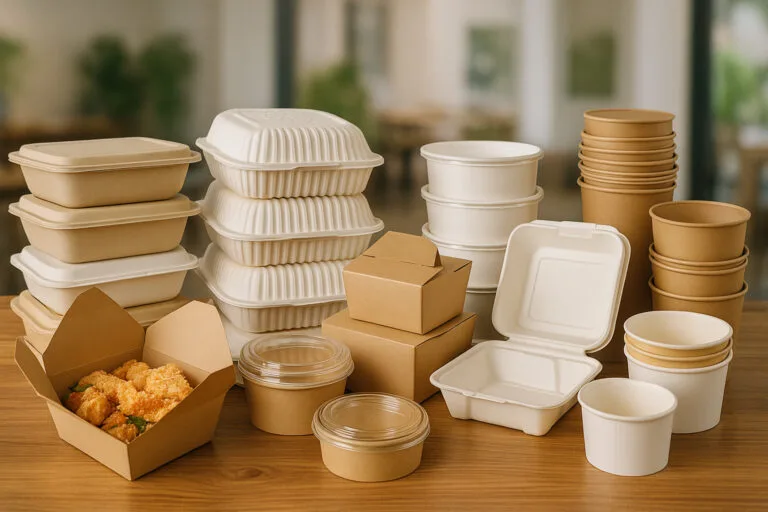
Our eco-friendly disposable bowls contain primarily 2 materials that are used to make the bowls that are kraft paper and white cardboard paper. Both of the materials are durable and environmentally friendly , consumer preferences. Kraft paper has a coarse natural appearance while white cardboard paper has a smooth, sleek surface. All of these materials are biodegradable which ensures compliance with the highest environmental requirements in product manufacture.
What are the sizes of these bowls?
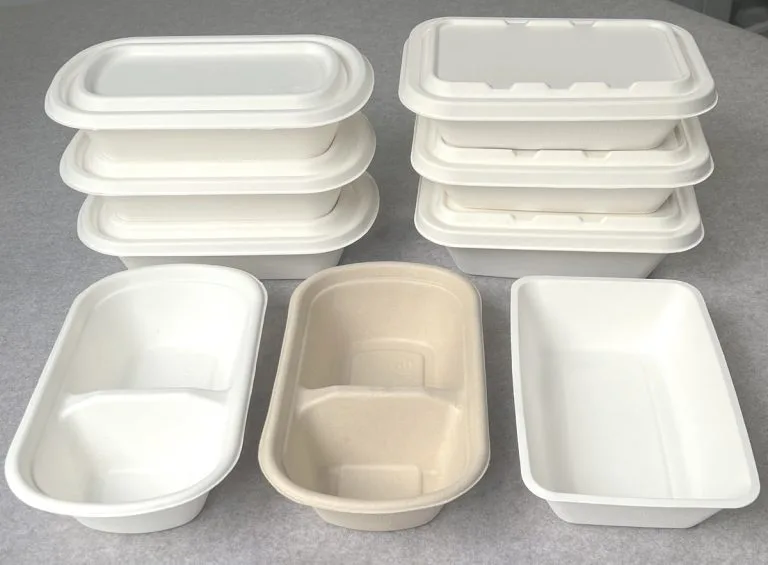
The compostable bowls with lids can be found in different sizes bulging from 500ml to 1500ml (8oz to 48oz) to suit varying food portions.
Can the bowls withstand hot liquids such as soup?
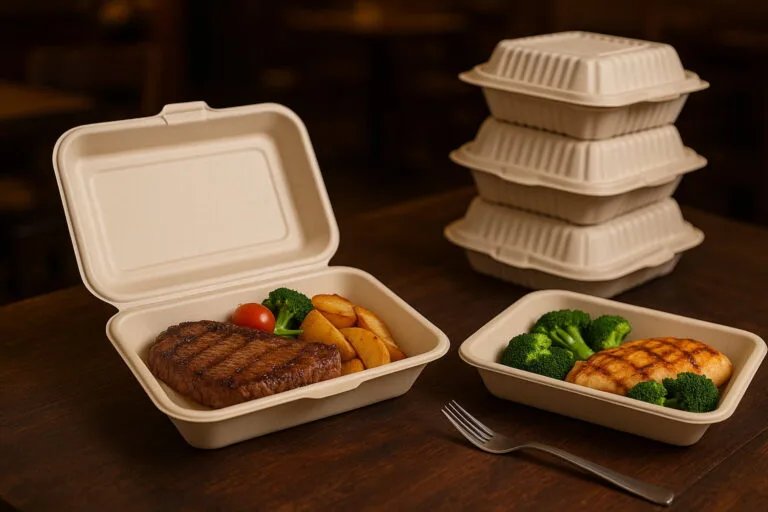
Yes, the takeaway bowls with lids can be used for holding all kinds of food, both hot and cold, such as soups and stews while preventing any spillage or leakage — consumer preferences.
What is the difference between PLA and PE lining in paper cups?
PLA (polylactic acid) is a plant-based, compostable lining, while PE (polyethylene) is a petroleum-based plastic lining — consumer preferences. PLA is biodegradable; PE is not.
Are PLA-lined paper cups compostable?
Yes, PLA-lined cups are compostable in industrial facilities. They break down into natural elements without leaving toxic residues when properly processed.