Consumer Education Explained For Procurement Teams | Bioleader® Insights

Actionable coverage of consumer education: eco-friendly, biodegradable, compostable materials, performance data, and compliance under EN13432 & ASTM D6400. Includes BPI/TÜV references and Food-Contact Tested guidance for safe deployment. Buyer-focused: manufacturer insights, bulk/wholesale buying playbooks, OEM/ODM customization tips, full size range selection.
consumer education — Quick Summary
  • Items displayed (articles): 12
  • Last updated: 2026-01-02
  • Includes test data, compliance guides, buyer FAQs, and real-world use cases.

Editor’s Picks: Top Consumer Education Guides 2026

FAQ of Bioleader's Eco-friendly Disposable Tableware

1. What are disposable bagasse food trays made of?

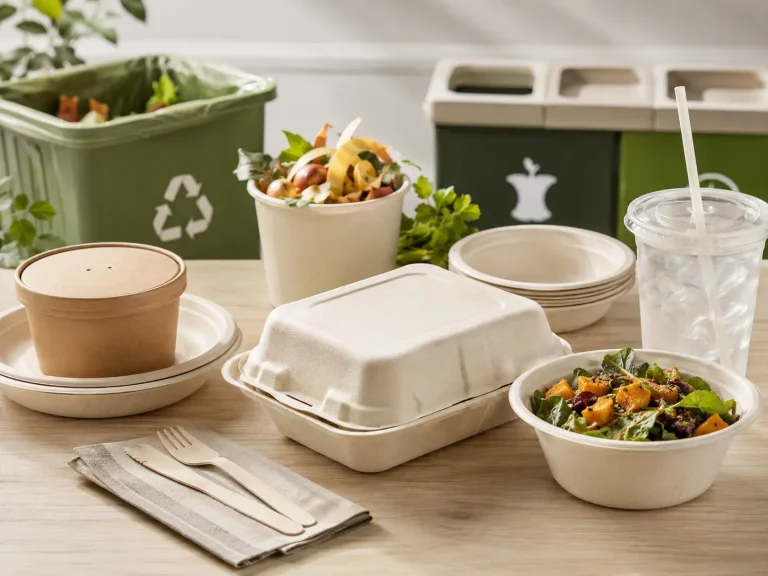
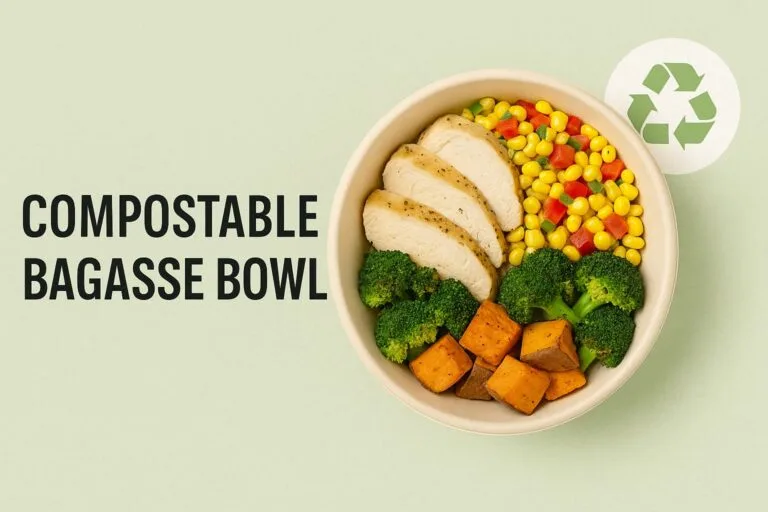
They are made from sugarcane bagasse—the fibrous byproduct left after extracting juice from sugarcane. This renewable material is molded into durable trays that are compostable, biodegradable, and plastic-free , consumer education.

5. What certifications should I look for when buying from an eco tray factory?

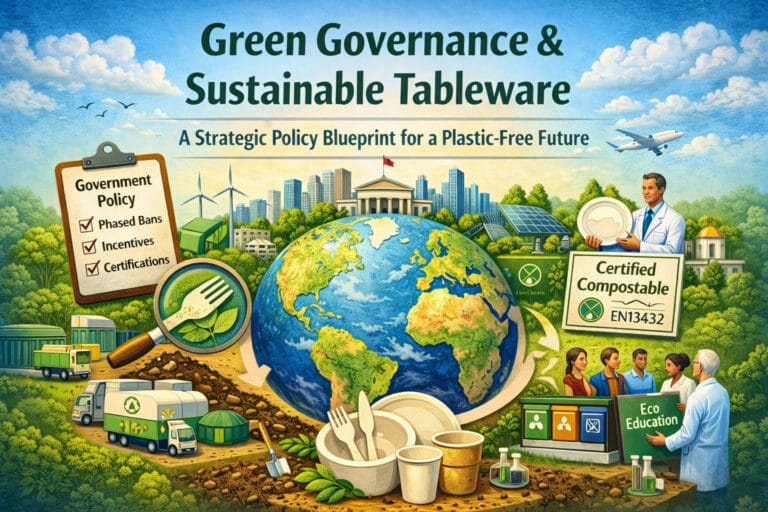
Reputable factories provide certifications such as OK Compost, BPI, TÜV Austria, EN13432, FDA, and LFGB. These ensure the trays are compostable, food-safe, and compliant with international sustainability standards — consumer education. Packaging Insight: Why Choose Bioleader® Eco-Friendly Trays with Lids for Sustainable Food Packaging How do Bioleader® eco-friendly trays combine performance with sustainability? Utilizing bagasse and other renewable fibers, these trays deliver sturdy, leak-resistant food packaging that withstands hot and cold meals, while being fully compostable.

2. Are trays with lids suitable for both hot and cold meals?

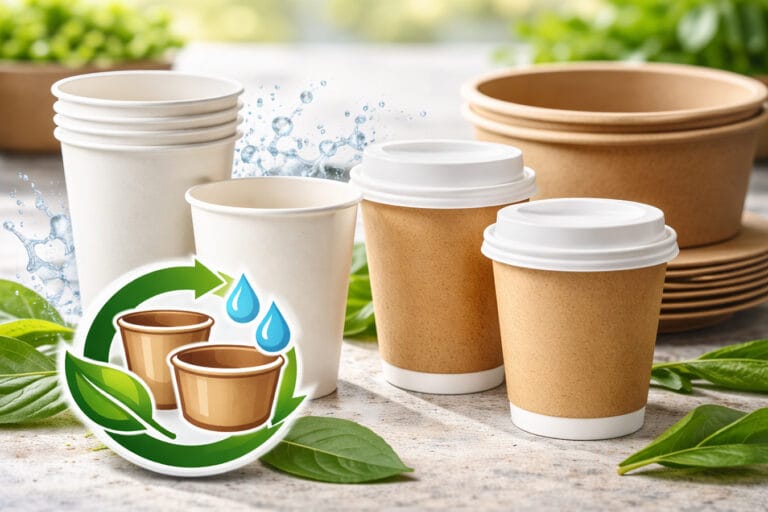
Yes. High-quality eco trays are heat-resistant up to 120°C and freezer-safe — consumer education. They’re ideal for packing hot dishes like rice and curries or cold items like salads, desserts, and refrigerated meals.

3.1 Economic Barriers: Cost of Transitioning to Sustainable Alternatives

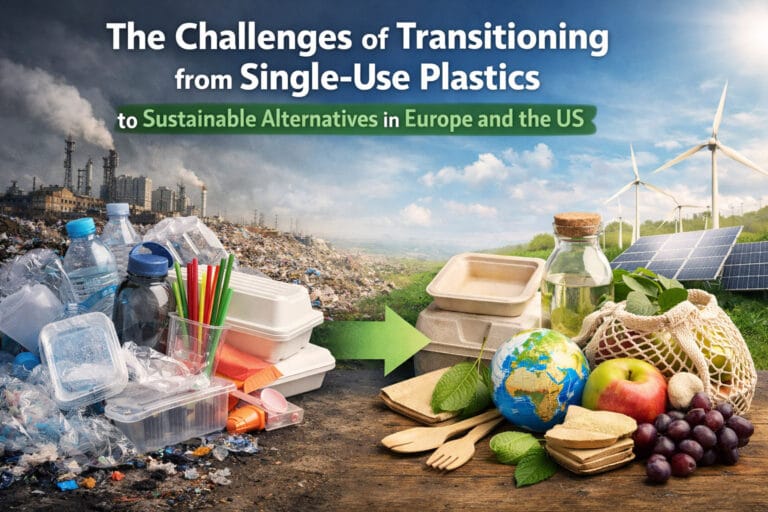
One of the most significant challenges in the transition to sustainable tableware and packaging is the economic cost. Currently, many biodegradable and compostable materials, such as those made from PLA (Polylactic Acid) or bagasse (sugarcane pulp), are more expensive than conventional plastic products. The initial investment for manufacturers to switch to alternative materials can be substantial. A study by the Ellen MacArthur Foundation shows that, while the price of biodegradable materials is gradually decreasing due to improvements in production efficiency, these alternatives still cost 30-50% more than conventional plastics.

2.1 Plastic Consumption Data: A Growing Problem

Europe and the United States have been major contributors to plastic consumption globally. According to the European Commission, Europe alone uses around 25 million tons of plastic every year, with a large portion of this being single-use plastics. The United States, with a similar consumption pattern, is reported by the EPA to generate over 35 million tons of plastic waste annually. Key sectors driving this plastic consumption include: Food Packaging: Single-use packaging such as containers, cups, straws, and fruit/vegetable trays.

Related Insights

🚀Ready to Go Green and Choose ?

Join the global movement toward zero-waste packaging.


Bioleader® offers:

  • 📦 Bulk order support & fast delivery

  • ✍️ Custom branding and OEM solutions

  • 🌍 Worldwide eco-packaging compliance

Get the Catalogue Products List  & Contact Us Now! 👉

Contact us Below

Click or drag files to this area to upload.You can upload up to 5 files.
The more details you share, the faster and more accurate our quotation will be.