Top Use Cases For Compostable Future | Bioleader® Guides

Actionable coverage of compostable future: eco-friendly, biodegradable, compostable materials, performance data, and compliance under EN13432 & ASTM D6400. Includes BPI/TÜV references and Food-Contact Tested guidance for safe deployment. Buyer-focused: manufacturer insights, bulk/wholesale buying playbooks, OEM/ODM customization tips, full size range selection.
compostable future — Quick Summary
  • Items displayed (articles): 12
  • Last updated: 2025-02-14
  • Includes test data, compliance guides, buyer FAQs, and real-world use cases.

Editor’s Picks: Top Compostable Future Guides 2026

FAQ of Bioleader's Eco-friendly Disposable Tableware

Why Use Paper Pulp?

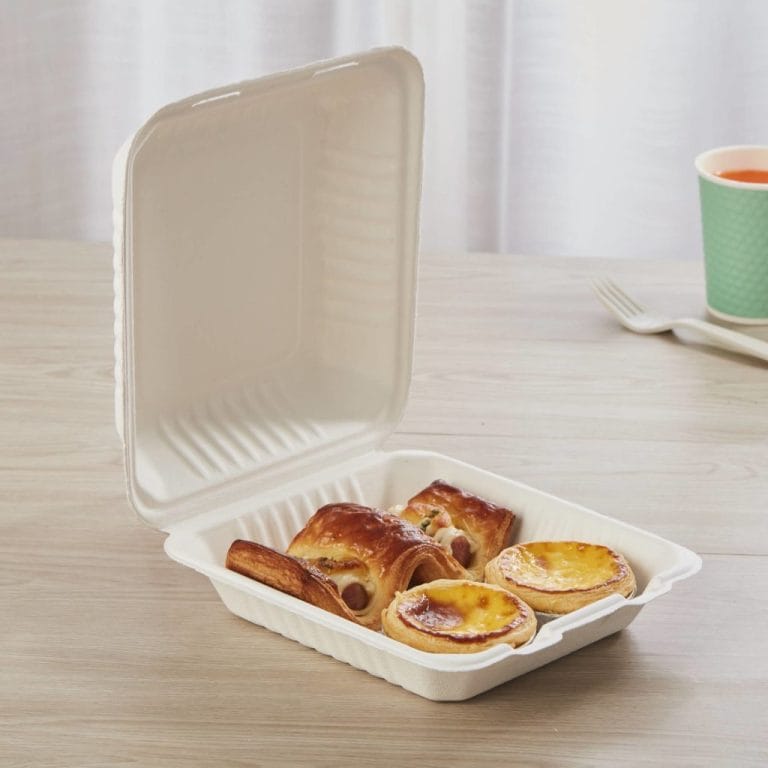
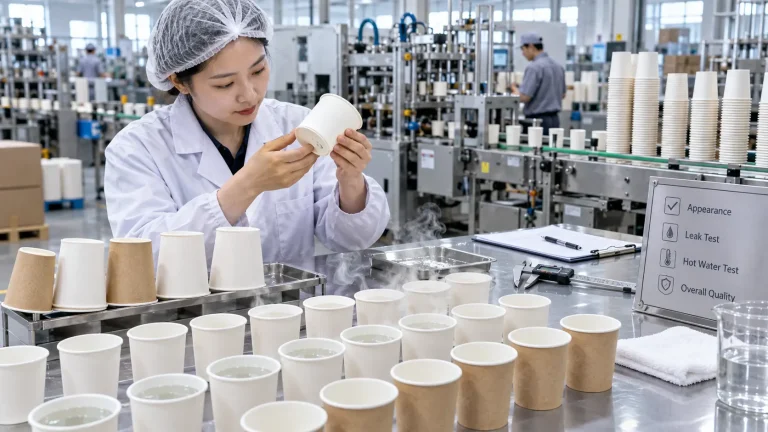
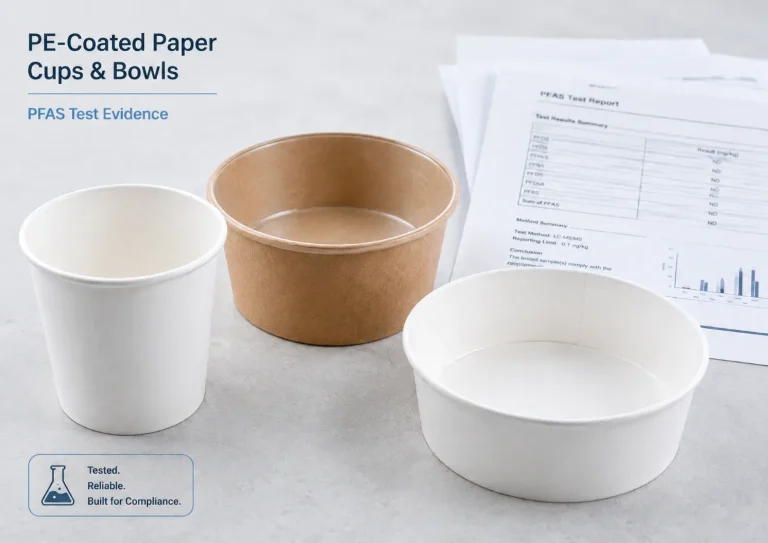
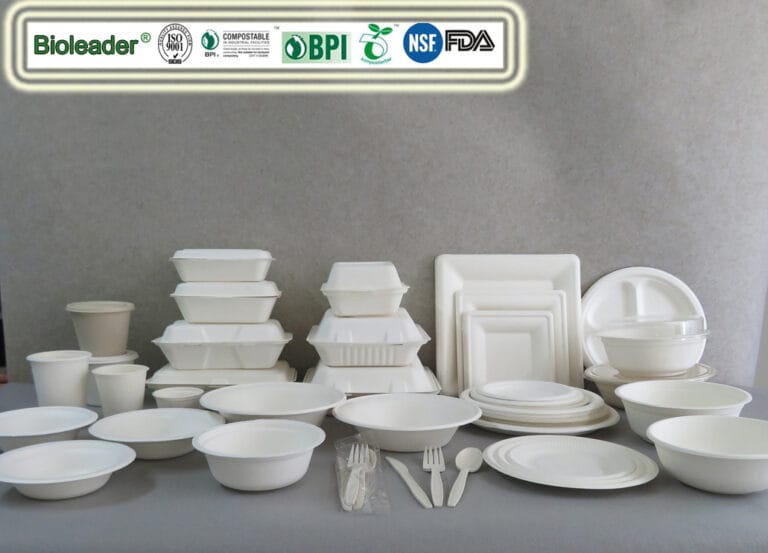
Environmentally Friendly: Paper Pulp can easily cause no harm to the environment since it’s sourced from sustainable sources and has natural degrading properties. Completely Biodegradable: Unlike traditional plastic or styrofoam, the biodegradable disposable bowls will naturally decay, thereby limiting the amount of waste that would’ve filled landfills , compostable future. Safe for Food and Non-Toxic: These bowls cut out dangerous substances such as BPA and PFAS, which makes sure whatever food is being served in the bowl is free from contamination and is safe for consumption. The Production Process: Paper Pulp Moulding Technology Our biodegradable and organic bowls are made through a modern, eco-friendly method called paper pulp molding.

Friendly to the environment

Biodegradable and Compostable: These disposable biodegradable bowls are compostable which makes it easier for the environment in the long run and also menaces plastic pollution. Nontoxic: These bowls are made without the utilization of PFAS and BPA which allows them to be Free from chemical leaching into the food served.

4. Can I order eco friendly trays with lids directly from a wholesale factory?

Yes. Many factories—especially in China, India, and Southeast Asia—offer bulk wholesale options with OEM/ODM services. This includes custom branding, embossed logos, and private label packaging for large-volume buyers.

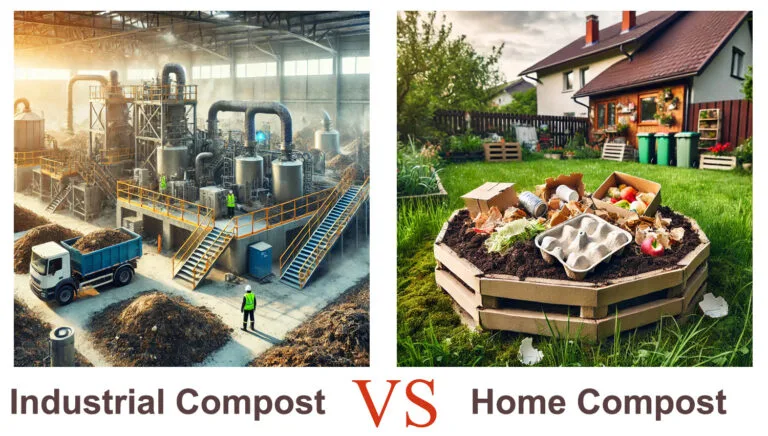
Products That Can Be Home Composted

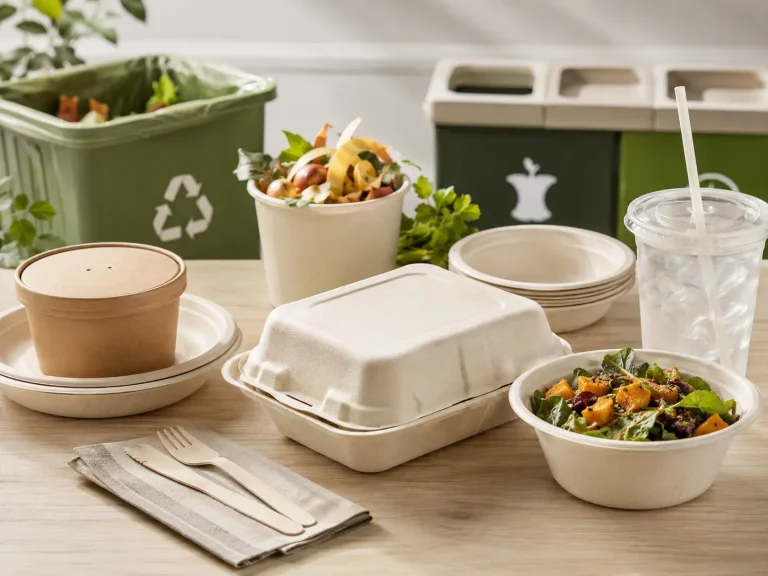
Many biodegradable products decompose well in a home composting system. Below are some examples: Fruit and vegetable scraps Eggshells Coffee grounds and paper coffee filters Tea leaves and unbleached tea bags Uncoated paper napkins and paper towels Shredded cardboard and newspaper Yard waste (grass clippings, leaves, twigs) Wood-based compostable cutlery (if untreated) 100% natural fiber fabric scraps (cotton, wool, hemp) Pet fur and human hair   What Is Home Compost home compostable home compost   The Difference Between Industrial Compost and Home Compost? While both methods aim to break down organic waste into nutrient-rich compost, their processes, conditions, and capabilities vary significantly , compostable future. Temperature & Processing Time: Industrial composting requires high temperatures (above 55°C) and can break down materials in a few weeks.

How Home Composting Works

Layering: A balanced mix of green waste (food scraps, grass clippings) and brown waste (dry leaves, cardboard, paper) is added. Aeration: The compost pile is turned regularly to ensure oxygen circulation. Moisture Control: Water is occasionally added to maintain an optimal moisture level , compostable future. Decomposition: Microorganisms break down the materials over several weeks to months, creating nutrient-rich compost.

Related Insights

🚀Ready to Go Green and Choose ?

Join the global movement toward zero-waste packaging.


Bioleader® offers:

  • 📦 Bulk order support & fast delivery

  • ✍️ Custom branding and OEM solutions

  • 🌍 Worldwide eco-packaging compliance

Get the Catalogue Products List  & Contact Us Now! 👉

Contact us Below

Click or drag files to this area to upload.You can upload up to 5 files.
The more details you share, the faster and more accurate our quotation will be.