In today’s fast-paced world, convenience and sustainability are two of the most critical factors driving innovation in food packaging. One common question that arises is whether cardboard—a material celebrated for its recyclability and environmental friendliness—is safe for use in microwave food packaging. In this extensive discussion, we will explore the safety of cardboard in microwave applications, analyze its properties, review scientific research data, and discuss potential risks and best practices for its use. By the end of this blog post, you will have a comprehensive understanding of the topic from multiple scientific, industrial, and regulatory perspectives.


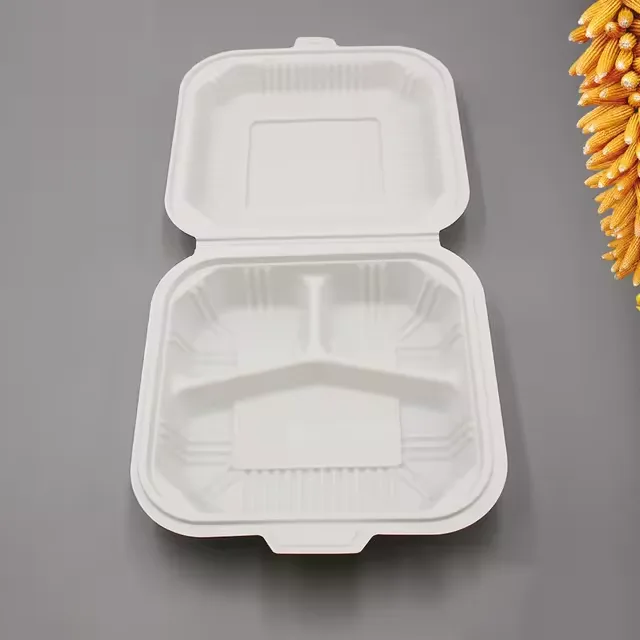
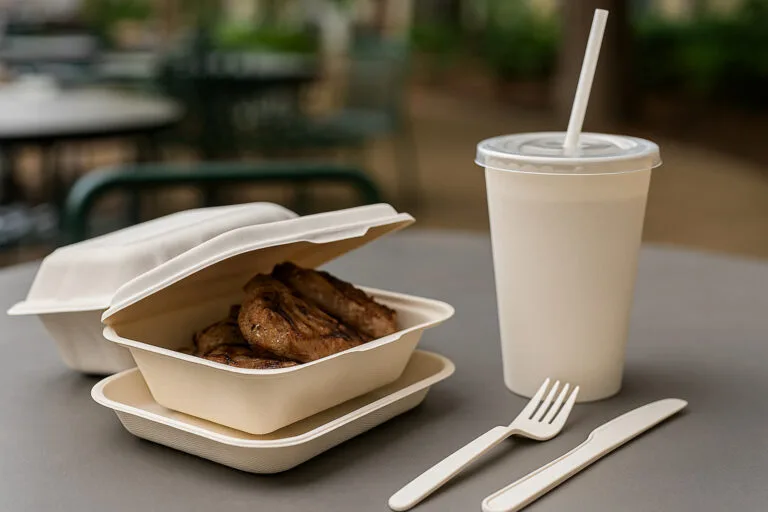
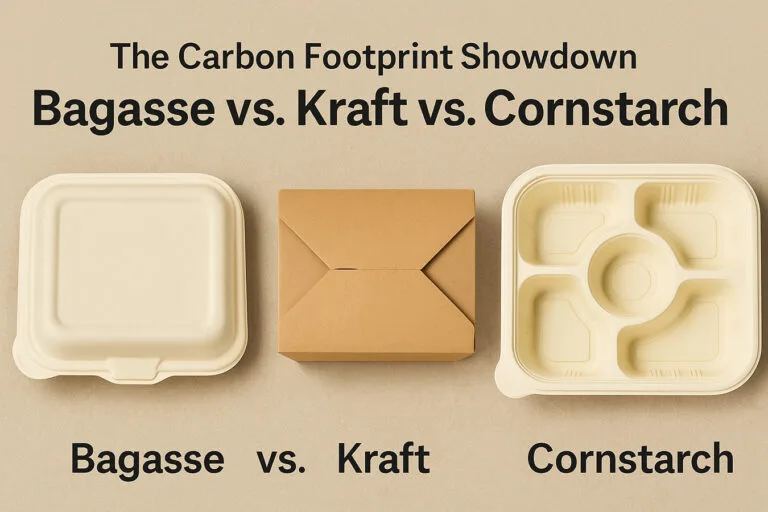
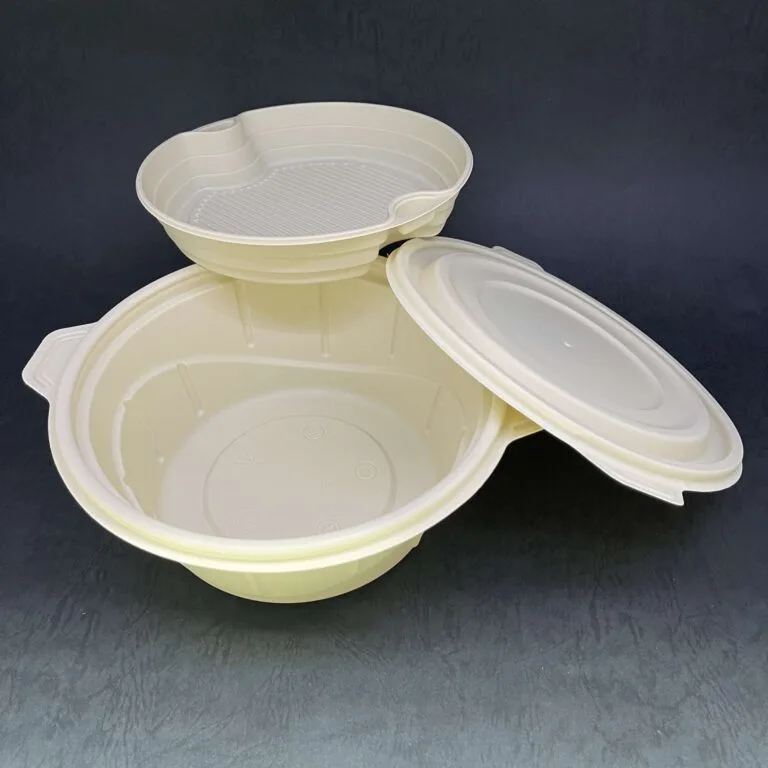
Our bagasse food trays are 100% compostable trays and biodegradable trays. They decompose naturally within a few months, reducing the burden on landfills and supporting circular waste management practices , chemical migration in packaging. Customers increasingly value this attribute, aligning their purchasing decisions with eco-friendly initiatives.
Unlike many disposable options, our sugarcane food trays are built to last throughout their intended use. Whether exposed to heat, moisture, or refrigeration, they maintain their structure and performance. This durability makes them a reliable choice for any business requiring high-quality, dependable food packaging. Multiple Uses and Applications The bagasse will save you money and the environment.
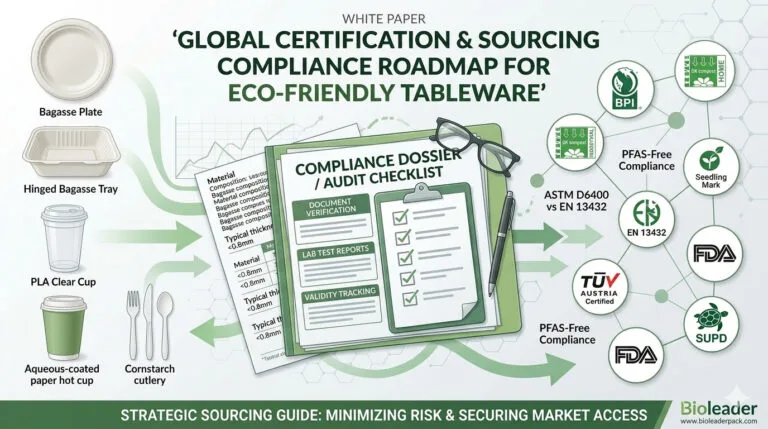
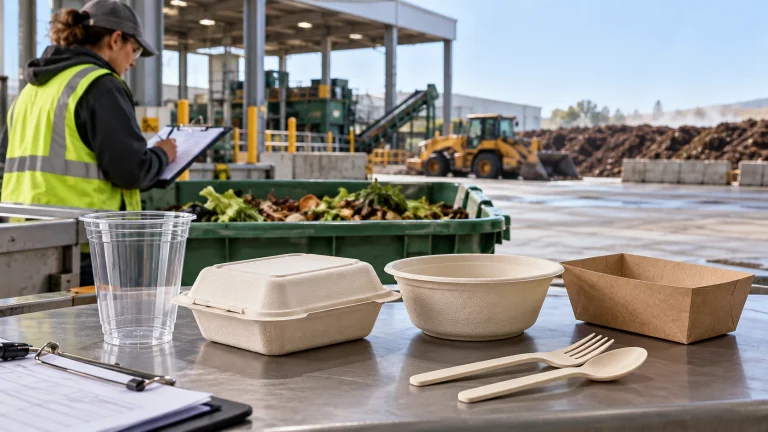
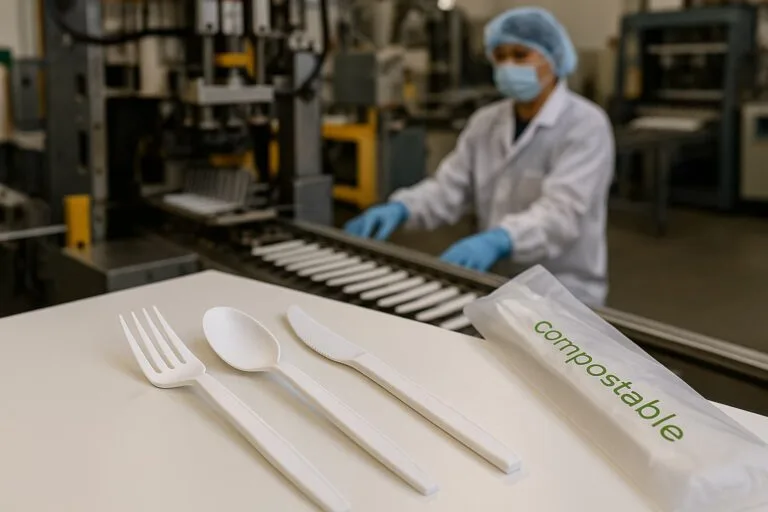
Reputable factories provide certifications such as OK Compost, BPI, TÜV Austria, EN13432, FDA, and LFGB. These ensure the trays are compostable, food-safe, and compliant with international sustainability standards. Packaging Insight: Why Choose Bioleader® Eco-Friendly Trays with Lids for Sustainable Food Packaging How do Bioleader® eco-friendly trays combine performance with sustainability? Utilizing bagasse and other renewable fibers, these trays deliver sturdy, leak-resistant food packaging that withstands hot and cold meals, while being fully compostable — chemical migration in packaging.
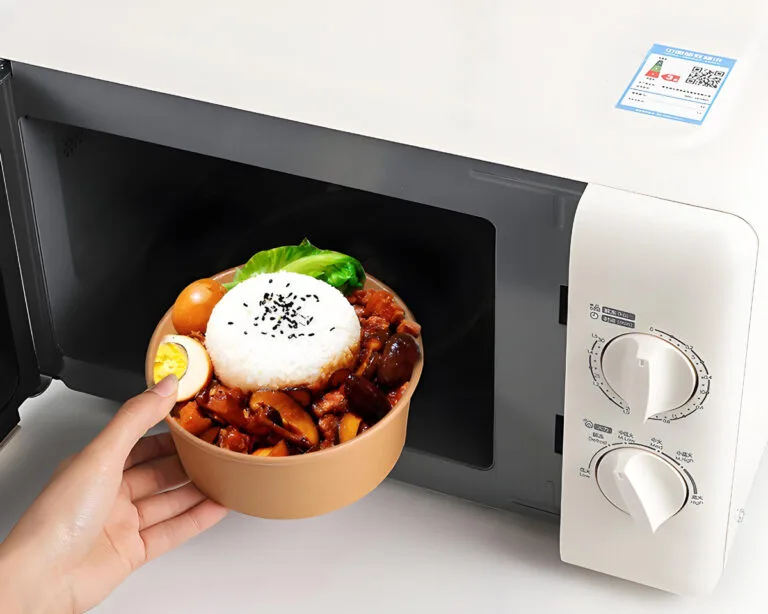
Cardboard can typically withstand microwave heat for 1–2 minutes. Prolonged heating may cause the material to dry out, scorch, or catch fire if overheated or empty.
Yes, many cardboard containers are microwave-safe, especially those labeled as such. However, users should avoid microwaving containers with metal parts, plastic films, or printed inks , chemical migration in packaging.
Join the global movement toward zero-waste packaging.
Bioleader® offers:
📦 Bulk order support & fast delivery
✍️ Custom branding and OEM solutions
🌍 Worldwide eco-packaging compliance
Get the Catalogue Products List & Contact Us Now! 👉
📧 Email : info@bioleaderpack.com
📲 WhatsApp : +86-15980856610
🟢 Wechat : bioleader
📍 Add : No.39 Xinglong Road, Xiamen, China
Copyright © 2015–2026 Xiamen Bioleader Environmental Protection Co., Ltd | All Rights Reserved. Privacy Policy | AI Policy | Sitemap
Welcome to Bioleader Pack! 🌿
👉 Get a Quick Quote, Customized & Sample Details. We're online to help with your sourcing needs!
📩 Need Catalog & Price List? Email us: info@bioleaderpack.com
⏰ Response within 6-12 hours.
(Due to timezone differences, if we're away, please email us or leave a message.)
Response time: < 8h | Catalog List
WhatsApp us