Top Use Cases For Cheap Bagasse Plates | Bioleader® Guides

Browse articles grouped under the "Cheap Bagasse Plates" tag for topic-specific information and examples. The featured articles may approach the topic from different product, material, application, market, or sourcing perspectives. Check each article for its exact scope, technical data, standards, sources, and recommendations.
Cheap Bagasse Plates — Content Overview
  • Featured articles shown: 12
  • Directly tagged articles: 1
  • Latest tagged article update: 2026-02-20
  • Coverage, examples, and specific recommendations vary by individual article.

Editor's Picks: Top Cheap Bagasse Plates Guides 2026

FAQ of Bioleader's Eco-friendly Disposable Tableware

Material: Kraft Paper and White Cardboard Paper

Our eco-friendly disposable bowls contain primarily 2 materials that are used to make the bowls that are kraft paper and white cardboard paper — Cheap Bagasse Plates. Both of the materials are durable and environmentally friendly. Kraft paper has a coarse natural appearance while white cardboard paper has a smooth, sleek surface. All of these materials are biodegradable which ensures compliance with the highest environmental requirements in product manufacture.

Are they safe to use in a microwave?

Yes, these containers come ultimate, no need to clean other serving dishes, as consumers can warm their food within these containers — Cheap Bagasse Plates.

Can I use a microwave oven for these bowls?

You most definitely can Yes! you can warm up your food using these take out to go bowls without the fear that the container will be destroyed.

Market Growth and Industry Trends

At present, the global market for bagasse plates is witnessing strong growth. Emerging market studies reveal that the bagasse plates industry had a valuation of nearly US$ 201.4 million in 2022 and is estimated to increase at a CAGR of 6.7% to almost US$367.6 million by 2031 — Cheap Bagasse Plates. The primary reasons for this growth are the increasing demand from policymakers to limit the use of plastic and changing consumer habits that prefer environmentally friendly goods. Organizations that make the switch to bagasse plates stand to gain with changing market sentiment as well as improved brand equity.

Material Origins and Production

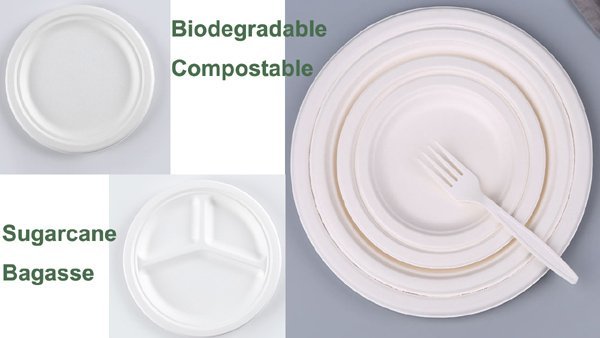
The primary source for plastic plates is petroleum, which is a non-renewable resource that emits significant carbon and damages the environment during extraction and processing. On the other hand, bagasse is a residue from the extraction of juice from sugarcane. Wastes that were once considered useless are now turned into long-standing food ware. This upcycling of these agricultural wastes not only alleviates the pressure on landfills but further decreases the demand for fresh raw materials.

Related Insights

🚀Ready to Go Green and Choose ?

Join the global movement toward zero-waste packaging.


Bioleader® offers:

  • 📦 Bulk order support & fast delivery

  • ✍️ Custom branding and OEM solutions

  • 🌍 Worldwide eco-packaging compliance

Get the Catalogue Products List  & Contact Us Now! 👉

Contact Us for Quote

Click or drag files to this area to upload.You can upload up to 5 files.
The more details you share, the faster and more accurate our quotation will be.