Top Use Cases For Bioplastic Trends | Bioleader® Insights

Actionable coverage of bioplastic trends: eco-friendly, biodegradable, compostable materials, performance data, and compliance under EN13432 & ASTM D6400. Includes BPI/TÜV references and Food-Contact Tested guidance for safe deployment. Buyer-focused: manufacturer insights, bulk/wholesale buying playbooks, OEM/ODM customization tips, full size range selection.
Quick Summary:
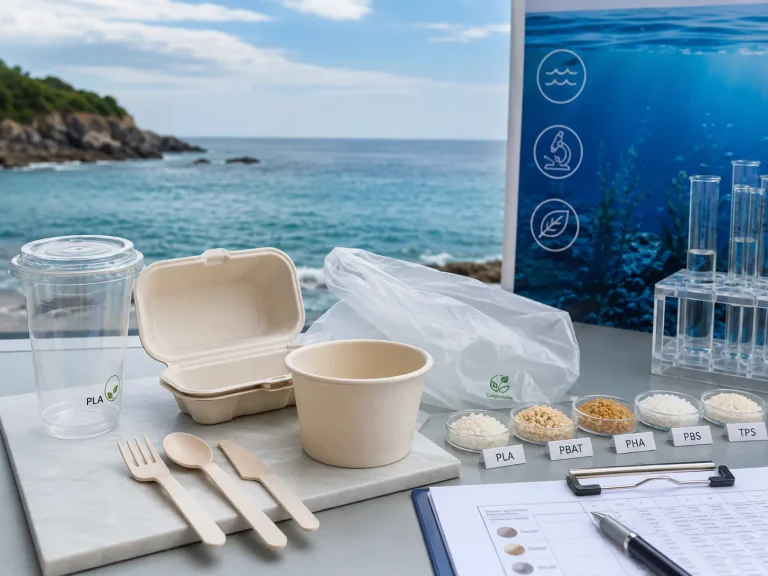
PLA (polylactic acid) is a plant-based, compostable bioplastic made from fermented sugars such as corn, sugarcane or cassava. It offers good clarity, stiffness and food-contact safety, making it popular for cold cups, clamshells, films and 3D-printing filaments. Under industrial composting conditions, PLA can break down into CO₂, water and biomass, helping reduce reliance on fossil-based plastics. However, it has limited heat resistance, needs dedicated composting or recycling infrastructure, and must be matched carefully with each market’s 2025–2026 plastic-ban and EPR regulations.
bioplastic trends — Quick Summary
  • Items displayed (articles): 12
  • Last updated: 2025-12-02
  • Includes test data, compliance guides, buyer FAQs, and real-world use cases.

Editor’s Picks: Top Bioplastic Trends Guides 2026

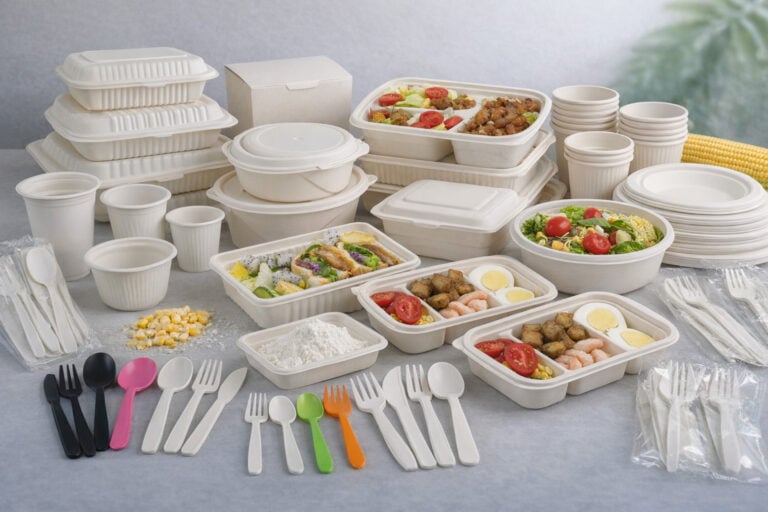
FAQ of Bioleader's Eco-friendly Disposable Tableware

What are the available sizes?

We provide several dimensions with different volumetric capacities starting from 500ml up to 1500ml which would suffice various needs for portions.

Which food should I use these bowls for?

These bowls are multi-purpose and may be used for hot or cold food containing liquids, doling out soups, clogged salads, ice cream or even packing pasta.

Environmental Sustainability and Biodegradability Of Paper Products.

Making operating and design decisions that enhance environmental sustainability involves green practices and does not destroy the business unit’s viability. We manufacture durable Kraft paper as well as white cardboard paper for use in our bio-disposable bowls with printed logos. Kraft paper is strong, environmentally friendly, and compostable. Natural brown kraft paper is the appropriate choice for environment-friendly consumers.

Can PLA go into normal plastic recycling bins?

In most regions today, the answer is no. PLA has different melting and processing characteristics than PET or HDPE, so if it enters conventional plastic recycling streams in large quantities, it can contaminate the recycled resin. Some municipalities and private programs are beginning to pilot dedicated compostable or PLA-specific collection, but as of 2025–2026, these systems are still emerging. Always follow local guidance: in some markets, certified compostable items are sent to organic waste collection rather than plastics recycling , bioplastic trends.

What Exactly Is PLA?

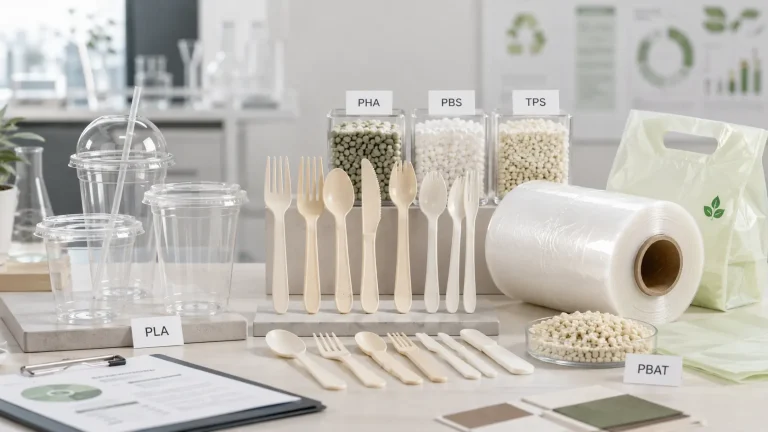
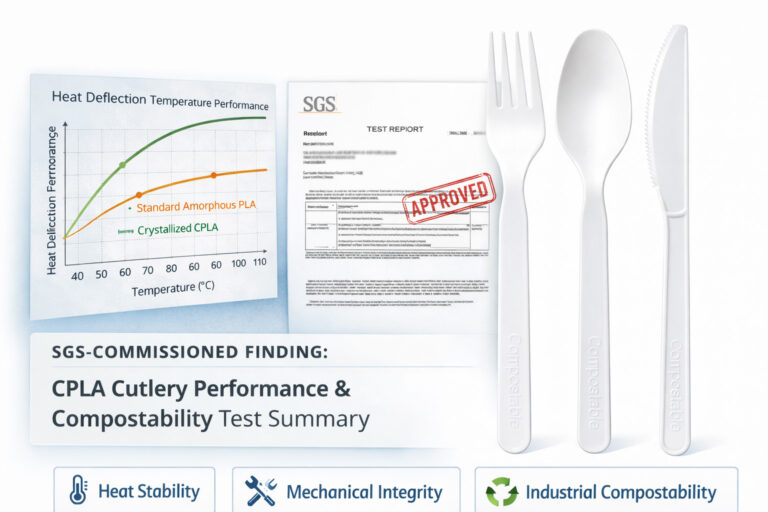
PLA Material Polylactic acid PLA (polylactic acid or polylactide) is a thermoplastic polyester. Chemically, it is a polymer built from repeating units of lactic acid, an organic acid that can be produced by fermenting sugars , bioplastic trends. Depending on how the polymer chains are arranged (stereochemistry and crystallinity), PLA can behave as a clear, glassy plastic or as a more crystalline, semi-opaque material suitable for higher-performance applications. In industry you will see several related terms: PLA / polylactic acid – generic name for the polymer family — bioplastic trends.

Related Insights

🚀Ready to Go Green and Choose ?

Join the global movement toward zero-waste packaging.


Bioleader® offers:

  • 📦 Bulk order support & fast delivery

  • ✍️ Custom branding and OEM solutions

  • 🌍 Worldwide eco-packaging compliance

Get the Catalogue Products List  & Contact Us Now! 👉

Contact us Below

Click or drag files to this area to upload.You can upload up to 5 files.
The more details you share, the faster and more accurate our quotation will be.