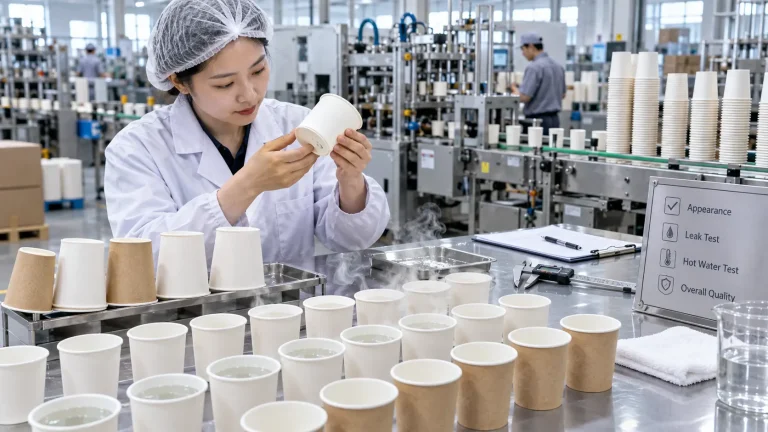
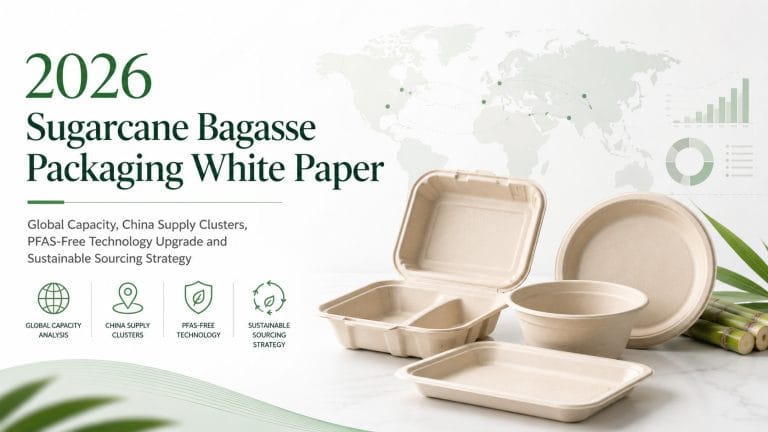
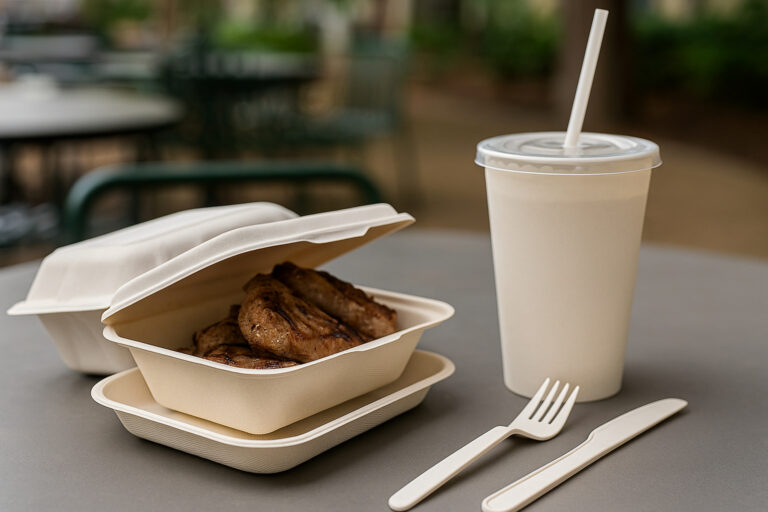
They are made from bagasse, the fibrous residue left after sugarcane stalks are crushed for juice — bioplastic factory. This agricultural waste is molded into strong, durable trays that are compostable, biodegradable, and plastic-free.
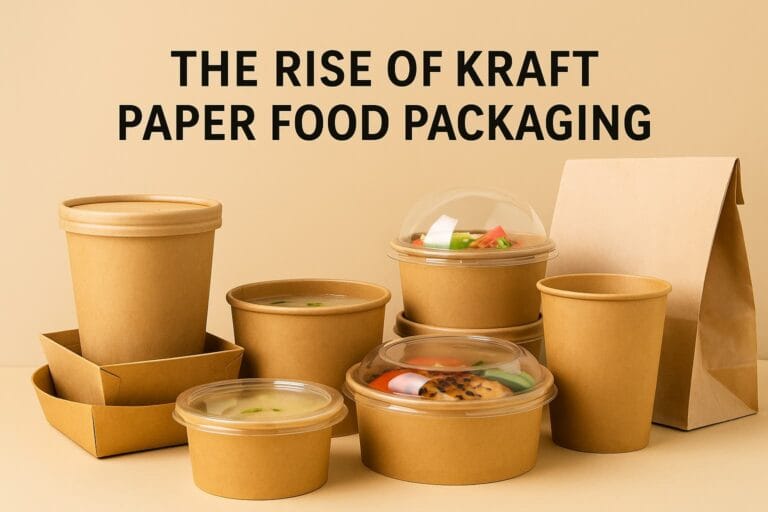
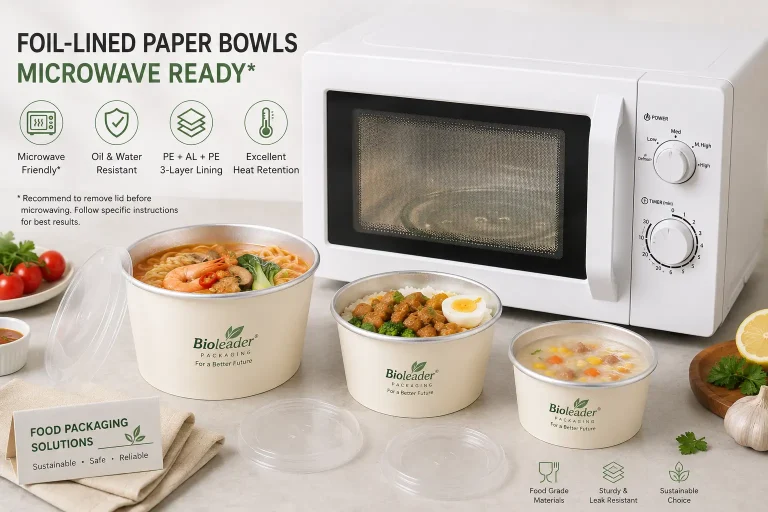
Suitable for All Foods: Drying salads and up until greasy noodles soup is served, these bowls are suitable to contain all. They are also called biodegradable bowls. Great for Delivery and Takeaway: These biodegradable disposable bowls are ideal for delivery or takeaway by restaurants, food trucks, and e-catering businesses. Effective means of sustainable packaging.
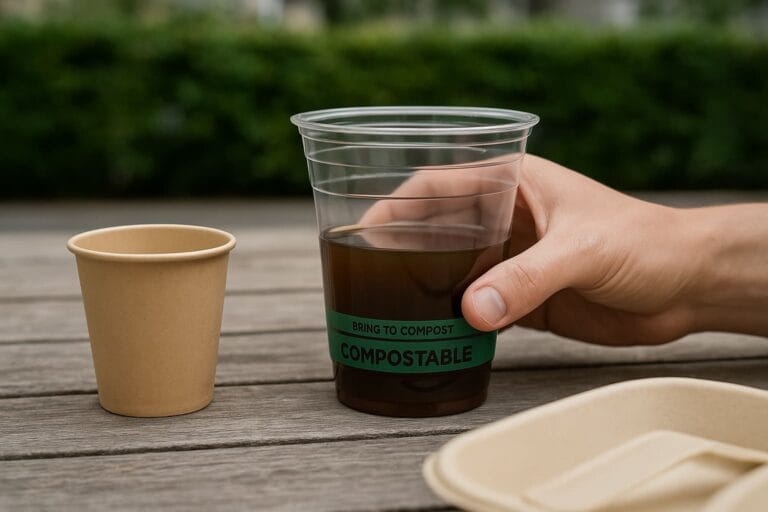
Renewable Resource: Since sugarcane is harvested and grown repeatedly, the containers become eco-friendly, and more products can be produced using bagasse fiber. This approach in a holistic way starts reducing waste entirely. Decomposable & Environment Friendly: Because of the usage of bagasse containers eliminate the need for plastic and styrofoam bowls. This approach further helps eliminate waste from dumping/filling grounds and further helps the environment while everything decomposes into compost materials.
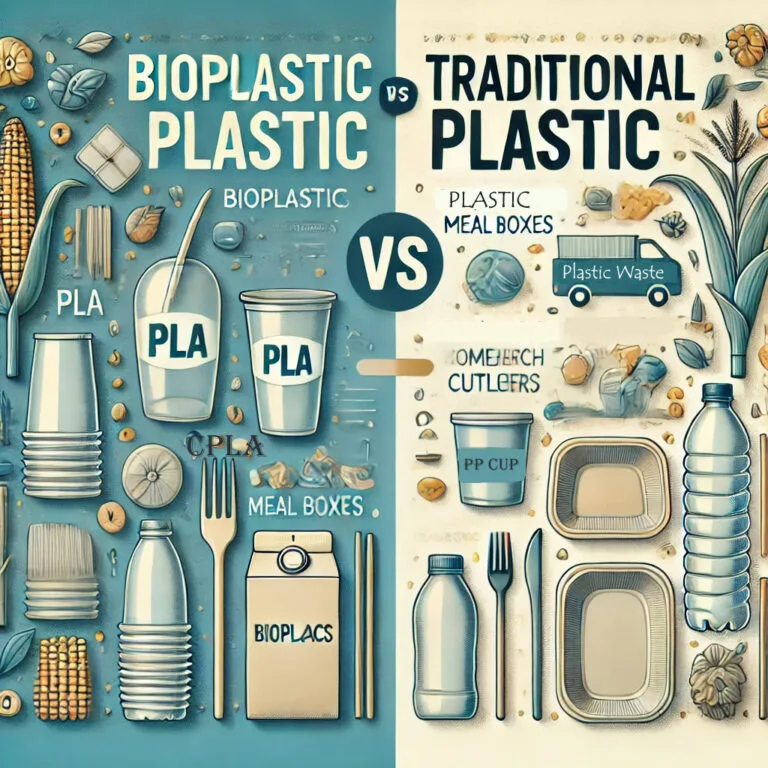
Carbon Emissions: While the production of traditional plastics emits significant CO₂, bioplastics can sequester carbon during the feedstock growth phase. Nonetheless, the overall carbon balance depends heavily on farming practices, transportation, and the energy source used for production. Pollution and Waste: Traditional plastics persist in the environment for centuries. Bioplastics, especially those that are biodegradable or compostable, may degrade faster, though the conditions required for degradation (e.g., industrial composting facilities) are not always readily available — bioplastic factory.
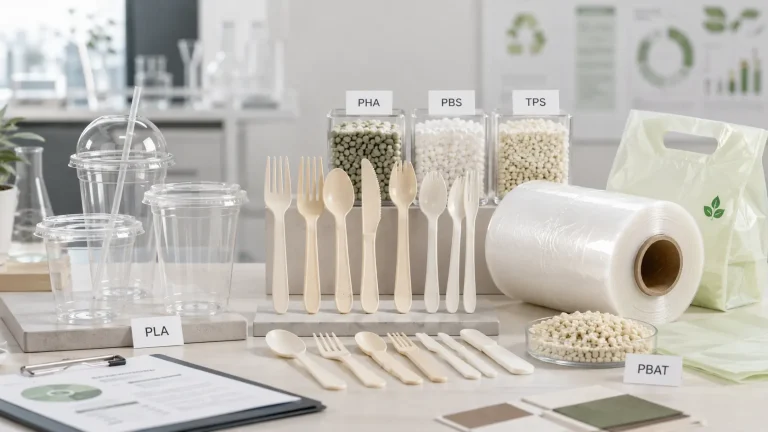
Recycling: Traditional plastics can be recycled mechanically or chemically, but low recycling rates, contamination, and downcycling remain problematic , bioplastic factory. Bioplastics can sometimes be recycled alongside conventional plastics, but this depends on the type of bioplastic and local recycling infrastructure. Composting: Certain bioplastics (e.g., PLA, starch blends) can be industrially composted under specific conditions—high temperature, controlled humidity, and microbial activity. However, if disposed of in a regular landfill, they may degrade as slowly as conventional plastics, negating much of their environmental advantage.
Join the global movement toward zero-waste packaging.
Bioleader® offers:
📦 Bulk order support & fast delivery
✍️ Custom branding and OEM solutions
🌍 Worldwide eco-packaging compliance
Get the Catalogue Products List & Contact Us Now! 👉
📧 Email : [email protected]
📲 WhatsApp : +86-15980856610
🟢 Wechat : bioleader
📍 Add : No.39 Xinglong Road, Xiamen, China
Copyright © 2015–2026 Xiamen Bioleader Environmental Protection Co., Ltd | All Rights Reserved. Privacy Policy | AI Policy | Sitemap
Welcome to Bioleader Pack! 🌿
👉 Get a Quick Quote, Customized & Sample Details. We're online to help with your sourcing needs!
📩 Need Catalog & Price List? Email us: [email protected]
⏰ Response within 6-12 hours.
(Due to timezone differences, if we're away, please email us or leave a message.)
Response time: < 8h | Catalog List
WhatsApp us