Biodegradable Polymers 101: What It Is, When To Use, And How To Choose | Bioleader® Guides

Actionable coverage of biodegradable polymers: eco-friendly, biodegradable, compostable materials, performance data, and compliance under EN13432 & ASTM D6400. Includes BPI/TÜV references and Food-Contact Tested guidance for safe deployment. Buyer-focused: manufacturer insights, bulk/wholesale buying playbooks, OEM/ODM customization tips, full size range selection.
biodegradable polymers — Quick Summary
  • Items displayed (articles): 12
  • Last updated: 2025-03-16
  • Includes test data, compliance guides, buyer FAQs, and real-world use cases.

Editor’s Picks: Top Biodegradable Polymers Guides 2026

FAQ of Bioleader's Eco-friendly Disposable Tableware

Eco-Conscious Restaurant Packaging

For food brands moving away from plastic or foam, this product provides a visible packaging upgrade. It signals a cleaner and more responsible choice to end customers. Bagasse vs Plastic vs Foam Comparison Item Sugarcane Bagasse Container Plastic Container Foam Container Material Origin Renewable plant fiber Petroleum-based Petroleum-based Sustainability Image Strong Moderate to weak Weak Compostable Potential Yes, under suitable composting systems No No Microwave Use Generally suitable Depends on resin type Often questioned Heat Performance Good for hot meals Varies Limited in perception Oil Resistance Good Good Good Structural Feel Natural, rigid, premium Smooth, functional Light but lower-end feel Market Perception Modern eco packaging Conventional Outdated in many markets Policy Trend Alignment Stronger Under pressure Highest restriction risk Cost Level Medium to moderately high Medium Low Main Advantage Sustainable and brand-positive Familiar and versatile Cheapest option Main Limitation Higher cost than foam Fossil-based image Poor environmental positioning Buying Guide Choosing the right 9″x9″ sugarcane food container is not only about matching size. Buyers should also assess food type, tray strength, lid fit, transport performance, and how the package reflects brand values in the market.

1. What are disposable bagasse food trays made of?

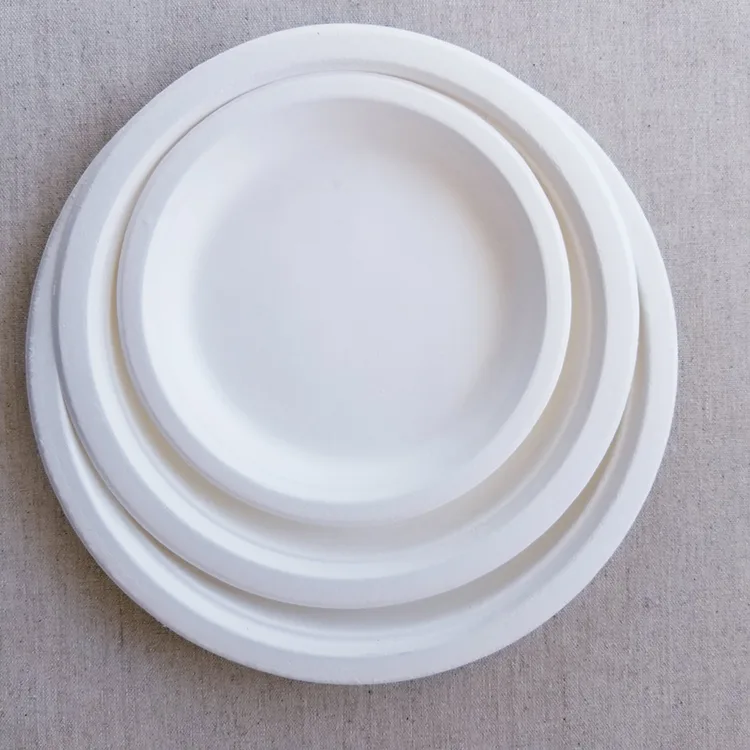
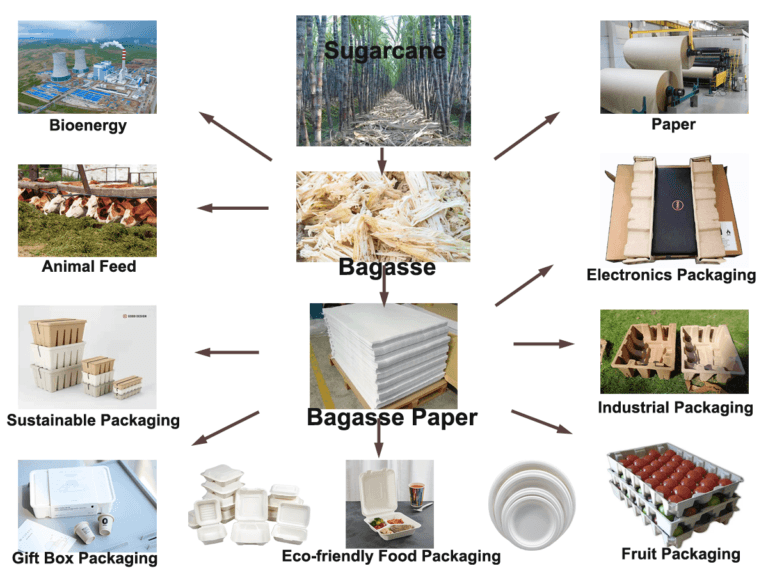
They are made from sugarcane bagasse—the fibrous byproduct left after extracting juice from sugarcane , biodegradable polymers. This renewable material is molded into durable trays that are compostable, biodegradable, and plastic-free.

Why Choose Sugarcane Bagasse?

Renewable Resource: Since sugarcane is harvested and grown repeatedly, the containers become eco-friendly, and more products can be produced using bagasse fiber. This approach in a holistic way starts reducing waste entirely. Decomposable & Environment Friendly: Because of the usage of bagasse containers eliminate the need for plastic and styrofoam bowls. This approach further helps eliminate waste from dumping/filling grounds and further helps the environment while everything decomposes into compost materials.

Synthetic Biodegradable Materials

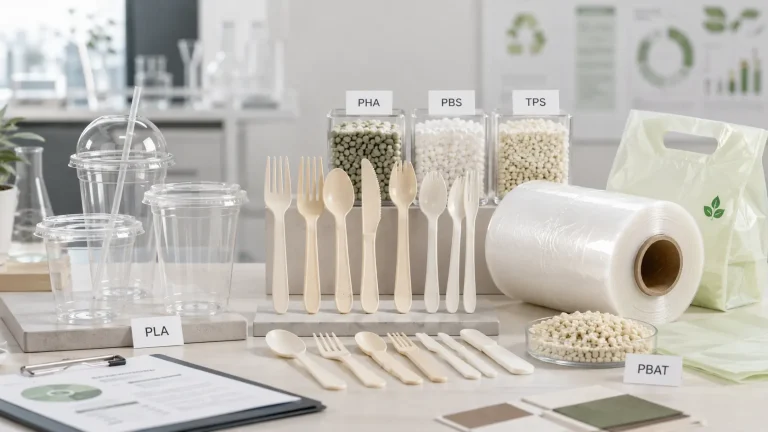
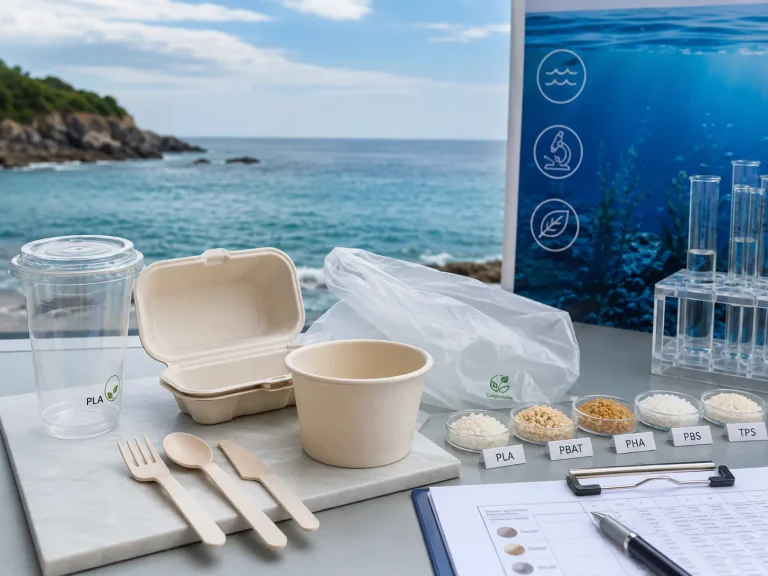
Polylactic Acid (PLA): A plant-derived plastic from cornstarch or sugarcane, decomposing within industrial composting facilities. Polyhydroxyalkanoates (PHA): Microbial fermentation-derived bioplastic, capable of degrading under various environmental conditions, including marine environments.

Natural Materials

Food Waste: Examples include fruit peels, coffee grounds, vegetable scraps, and bread — biodegradable polymers. Paper and Cardboard: Typically decompose within months under suitable conditions. Natural Fibers: Materials such as cotton, wool, silk, and hemp biodegrade effectively — biodegradable polymers. Yard Waste: Grass clippings, leaves, twigs, and branches.

Related Insights

🚀Ready to Go Green and Choose ?

Join the global movement toward zero-waste packaging.


Bioleader® offers:

  • 📦 Bulk order support & fast delivery

  • ✍️ Custom branding and OEM solutions

  • 🌍 Worldwide eco-packaging compliance

Get the Catalogue Products List  & Contact Us Now! 👉

Contact us Below

Click or drag files to this area to upload.You can upload up to 5 files.
The more details you share, the faster and more accurate our quotation will be.