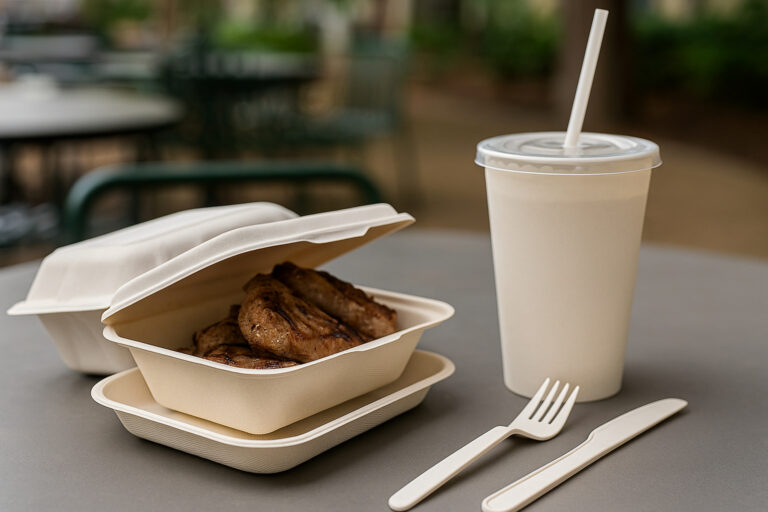
FAQ of Bioleader's Eco-friendly Disposable Tableware
How does buying compostable spoons and forks wholesale save costs?
Purchasing compostable cutlery in bulk reduces the per-unit price and shipping expenses. Wholesale suppliers often offer tiered pricing or discounts for larger orders, which helps businesses lower their overall operational costs.
What is BPI compostable cutlery made from?
BPI compostable cutlery is typically made from plant-based materials such as cornstarch, PLA, or other renewable bioplastics that fully biodegrade under commercial composting conditions.
What is bio plastic cutlery made from?
Bio plastic cutlery is typically made from renewable plant-based materials such as cornstarch, PLA, or sugarcane, making it biodegradable and compostable.
What is Bagasse?
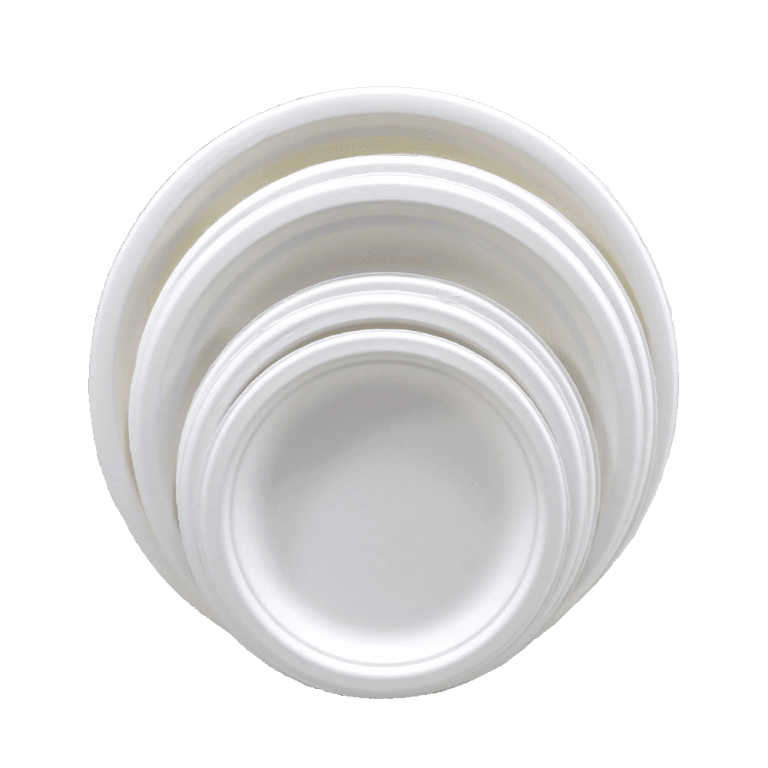
Bagasse is the residual fibrous material left after extracting juice from sugarcane — biodegradable plates factory. Initially treated as industrial waste, bagasse has been repurposed into a valuable raw material for manufacturing biodegradable products. Its inherent properties—such as high strength, thermal resistance, and ease of processing—make it an ideal candidate for producing eco-friendly plates. Today, bagasse plates are at the forefront of sustainable dining, providing an effective alternative to conventional plastic tableware.
Definition and Importance
Biodegradable plates are designed to break down naturally by microorganisms, such as bacteria and fungi. Unlike traditional plastic plates, which persist in the environment for hundreds of years, these eco-friendly plates decompose within months—often under industrial composting conditions , biodegradable plates factory. The transformation process reduces landfill burdens and minimizes harmful residues that can leach into soil and water systems , biodegradable plates factory. This attribute makes biodegradable plates not only an environmentally responsible choice but also a crucial component in the broader strategy of sustainable waste management.