Biodegradable Plastic Cutlery 101: What It Is, When To Use, And How To Choose | Bioleader® Insights

Actionable coverage of Biodegradable Plastic cutlery: eco-friendly, biodegradable, compostable materials, performance data, and compliance under EN13432 & ASTM D6400. Includes BPI/TÜV references and Food-Contact Tested guidance for safe deployment. Buyer-focused: manufacturer insights, bulk/wholesale buying playbooks, OEM/ODM customization tips, full size range selection.
Biodegradable Plastic cutlery — Quick Summary
  • Items displayed (articles): 12
  • Last updated: 2025-11-10
  • Includes test data, compliance guides, buyer FAQs, and real-world use cases.

Editor’s Picks: Top Biodegradable Plastic Cutlery Guides 2026

FAQ of Bioleader's Eco-friendly Disposable Tableware

1. What are takeaway trays with lids used for?

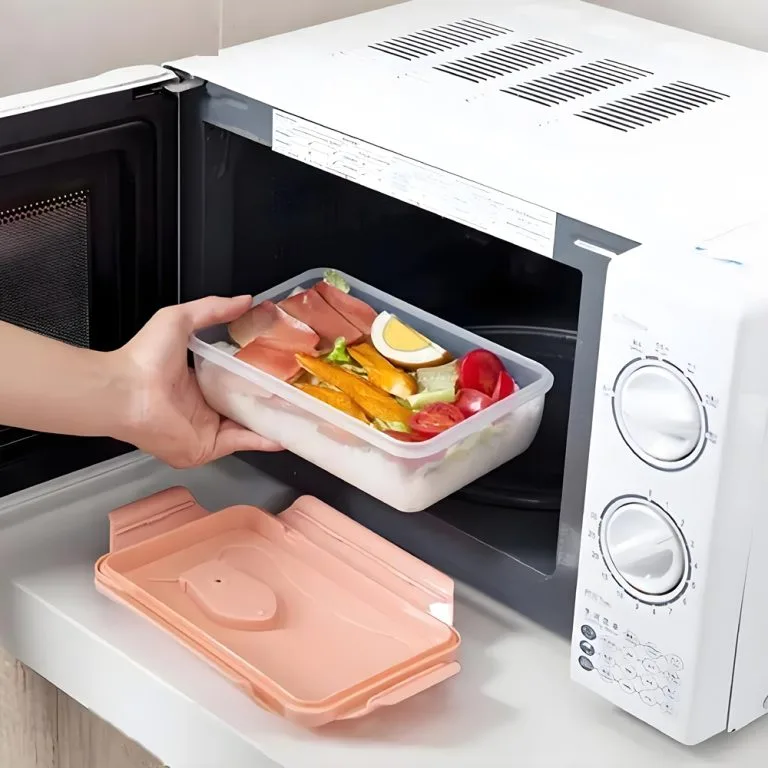
Takeaway trays with lids are used for packaging full meals, combo dishes, or compartmentalized foods for delivery and takeaway — Biodegradable Plastic cutlery. They help keep food fresh, prevent spillage, and maintain separation between hot and cold items , Biodegradable Plastic cutlery.

2. What materials are available for disposable food trays with lids?

Common materials include sugarcane bagasse, kraft paper, aluminum, PET, PP, and PLA. For eco-conscious businesses, bagasse and PLA trays are preferred due to their compostable and biodegradable properties.

1. What are disposable bagasse food trays made of?

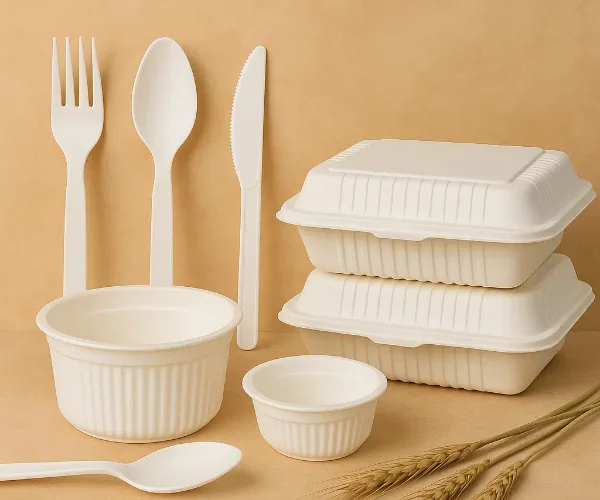
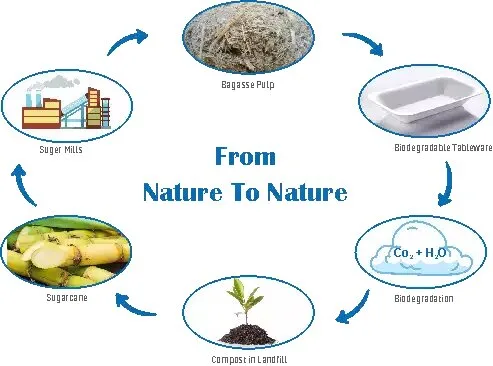
They are made from sugarcane bagasse—the fibrous byproduct left after extracting juice from sugarcane. This renewable material is molded into durable trays that are compostable, biodegradable, and plastic-free.

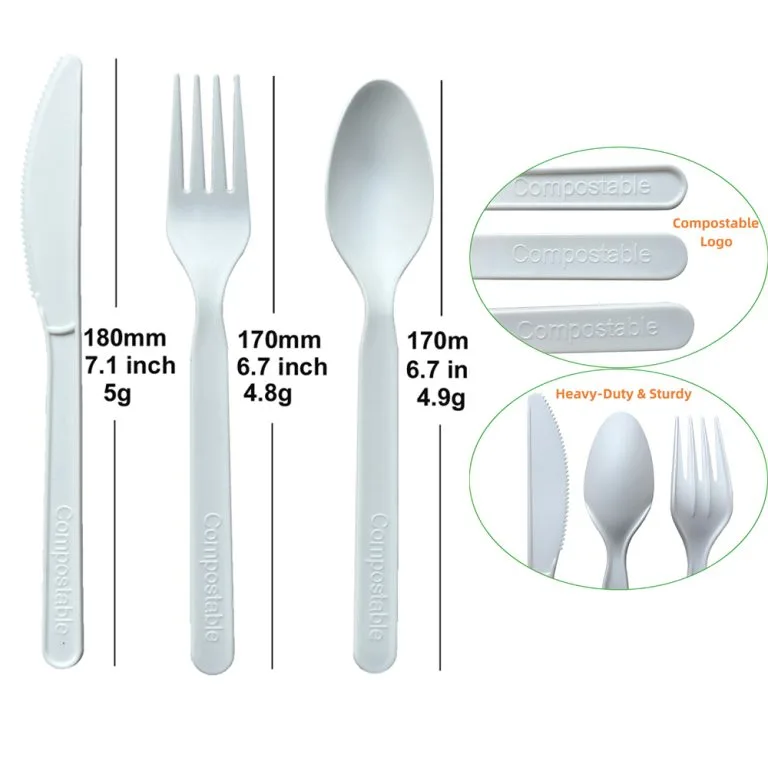
Can compostable cutlery decompose in home compost?

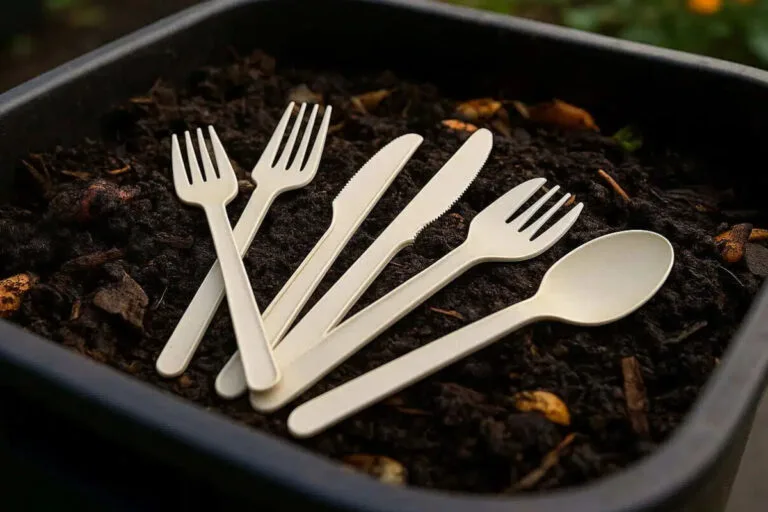
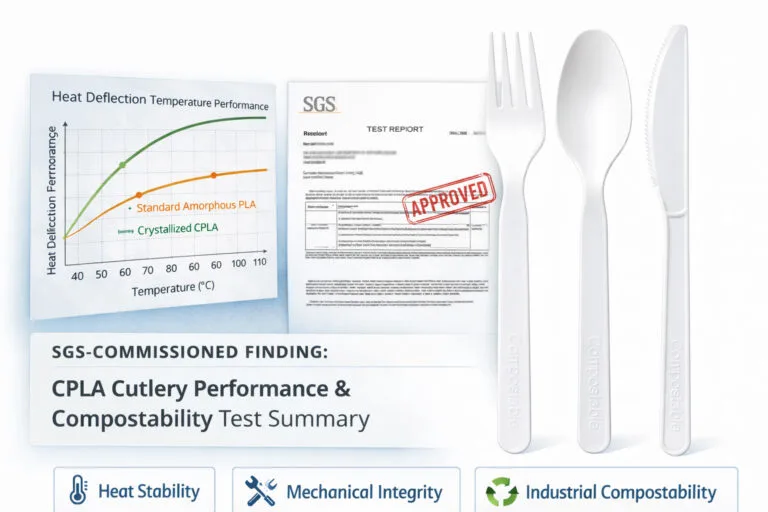
Yes, certain materials like bagasse and cornstarch cutlery can naturally decompose in home compost bins, usually within six to twelve months. However, CPLA utensils need consistent high heat and microbial activity, which only industrial composting systems can provide , Biodegradable Plastic cutlery. For best results, home composters should chop utensils into smaller pieces and keep moisture balanced.

What is the difference between compostable and biodegradable cutlery?

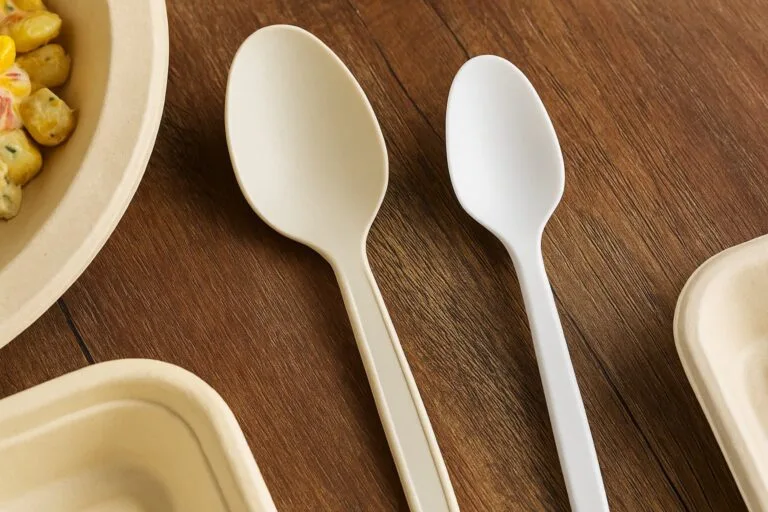
While both terms are eco-friendly, they don’t mean the same thing. Biodegradable simply means the material can break down over time, but it might leave residue or take years. Compostable means it will decompose completely within months under composting conditions, producing nutrient-rich compost without toxins or microplastics. Only products certified under EN13432 or ASTM D6400 are truly compostable.

Related Insights

🚀Ready to Go Green and Choose ?

Join the global movement toward zero-waste packaging.


Bioleader® offers:

  • 📦 Bulk order support & fast delivery

  • ✍️ Custom branding and OEM solutions

  • 🌍 Worldwide eco-packaging compliance

Get the Catalogue Products List  & Contact Us Now! 👉

Contact us Below

Click or drag files to this area to upload.You can upload up to 5 files.
The more details you share, the faster and more accurate our quotation will be.