Biodegradable Packaging Materials: Properties & Use Scenarios | Bioleader®
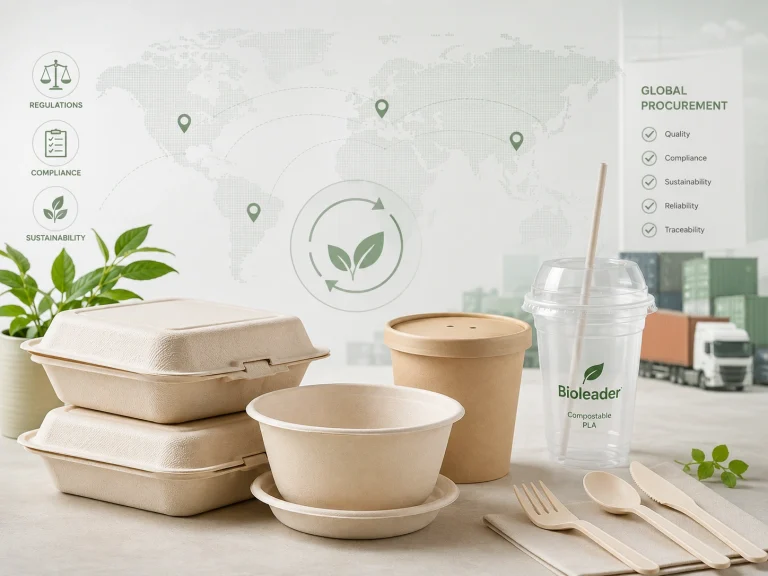
Actionable coverage of biodegradable packaging materials: eco-friendly, biodegradable, compostable materials, performance data, and compliance under EN13432 & ASTM D6400. Includes BPI/TÜV references and Food-Contact Tested guidance for safe deployment. Buyer-focused: manufacturer insights, bulk/wholesale buying playbooks, OEM/ODM customization tips, full size range selection.
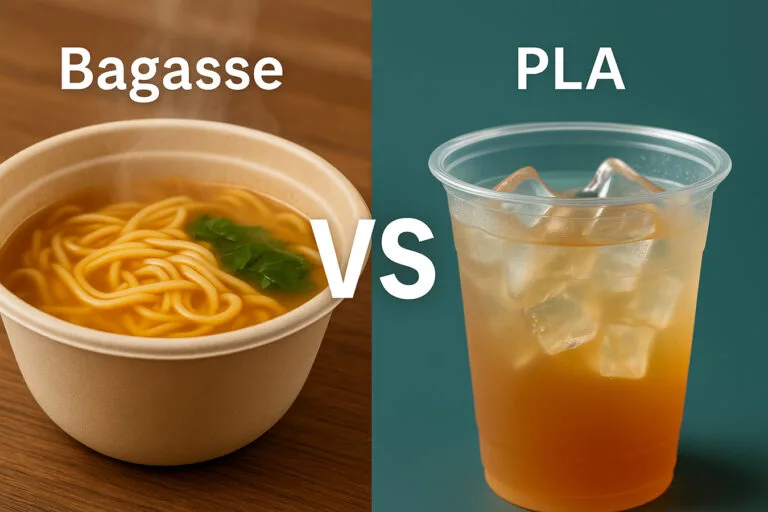
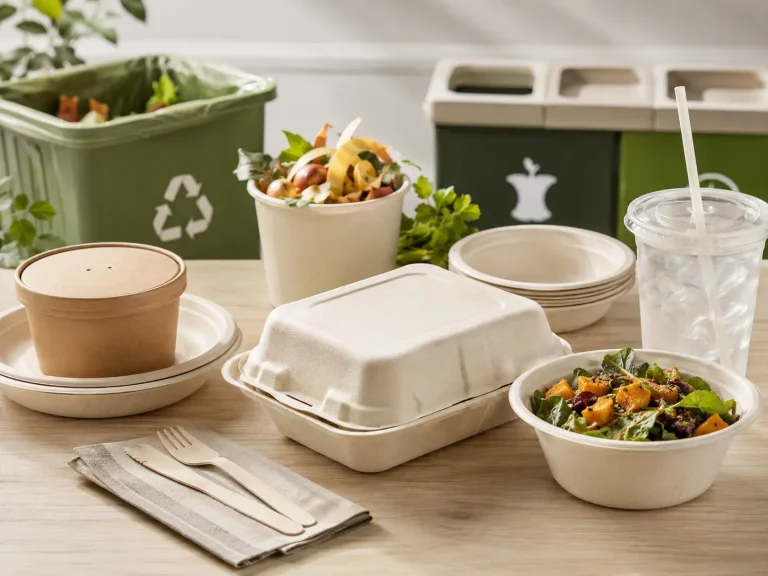
Quick Summary: Bagasse and PLA are both leading compostable materials, but their structural composition, heat tolerance, degradation cycles, and suitable food packaging applications differ dramatically. Bagasse excels in high-temperature and wet-food scenarios due to its lignocellulosic fiber network, while PLA performs best in cold beverages and transparent packaging. This guide provides data-backed comparisons to support material selection for global foodservice brands.
FAQ of Bioleader's Eco-friendly Disposable Tableware
What is the range of sizes that you have?
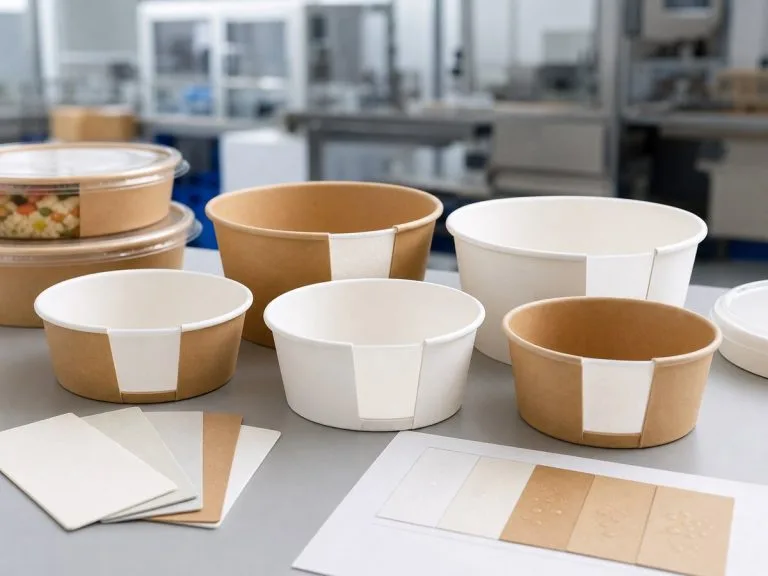
In terms of volume, there are varieties of cups: 500ml, 750ml, 1000ml, 1090ml, 1200ml, 1300ml, and 1500ml. This means that for every portion of any size, there is a bowl available.
Do the containers comply with environmentally friendly customs?
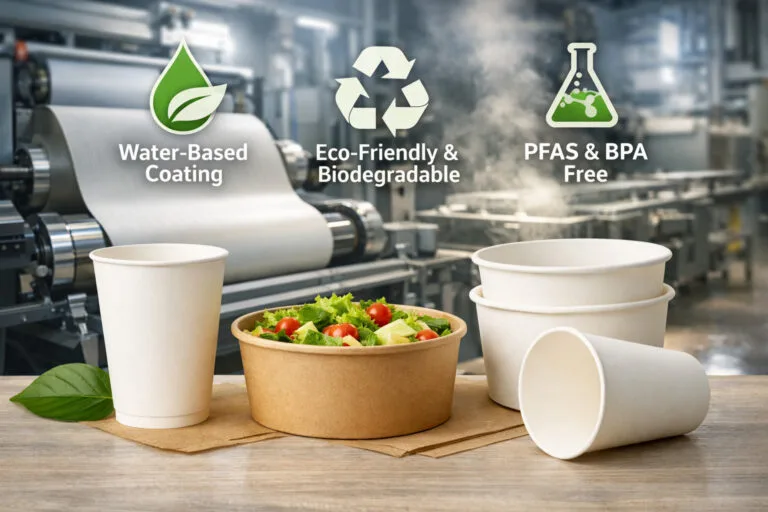
Yes, our to go salad bowls are eco friendly because it is made of biodegradable materials such as kraft paper and white paper card board which is better than plastic.
Can I have their logo printed on my souvenirs?
Of course, Yes. Such businesses have the option of having margarita salad bowls with their brand name on them or any other posters since we customize them. For any further details on branding options, you can reach us — biodegradable packaging materials.
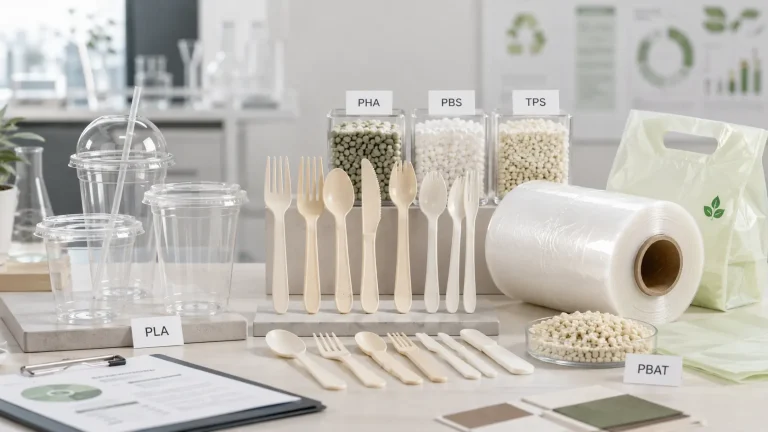
Why PLA behaves like plastic:
It melts & deforms under moderate heat. It retains shape under room temperature. It can be injection molded and thermoformed. It allows transparency—Bagasse does not , biodegradable packaging materials.
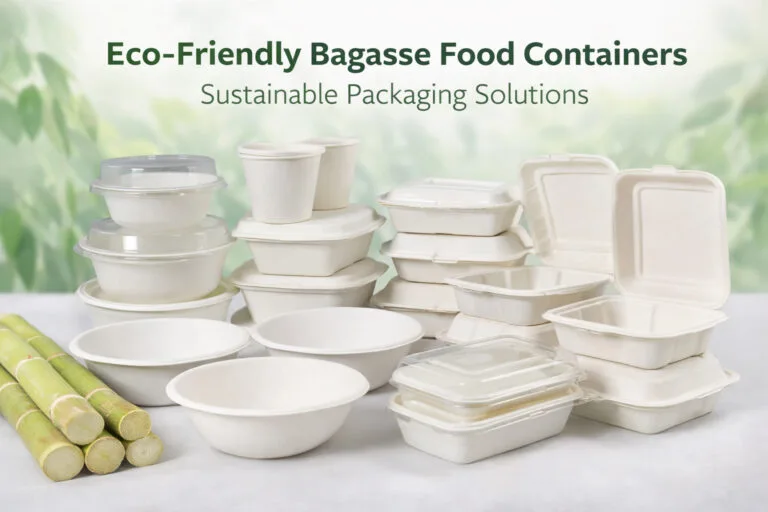
Why Bagasse behaves differently:
It does not melt—fibers only char at very high temperatures. Hydrogen bonding between cellulose microfibrils strengthens under hot-pressing. Lignin forms a natural thermoset-like matrix, increasing stiffness. Thus, Bagasse tableware is naturally compatible with hot soups, microwaving, steaming, and oily foods — biodegradable packaging materials.