Bio Packaging 101: What It Is, When To Use, And How To Choose | Bioleader® Guides

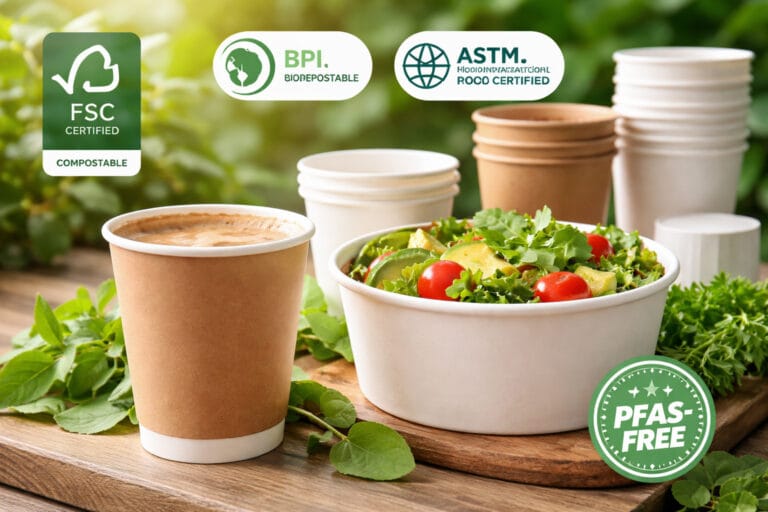
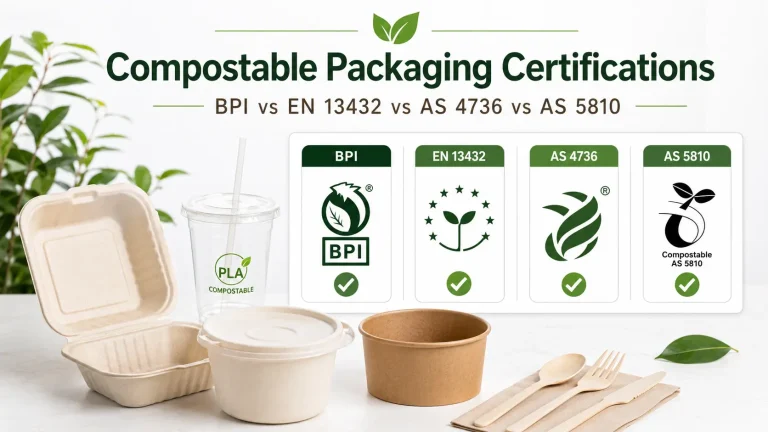
Actionable coverage of Bio Packaging: eco-friendly, biodegradable, compostable materials, performance data, and compliance under EN13432 & ASTM D6400. Includes BPI/TÜV references and Food-Contact Tested guidance for safe deployment. Buyer-focused: manufacturer insights, bulk/wholesale buying playbooks, OEM/ODM customization tips, full size range selection.

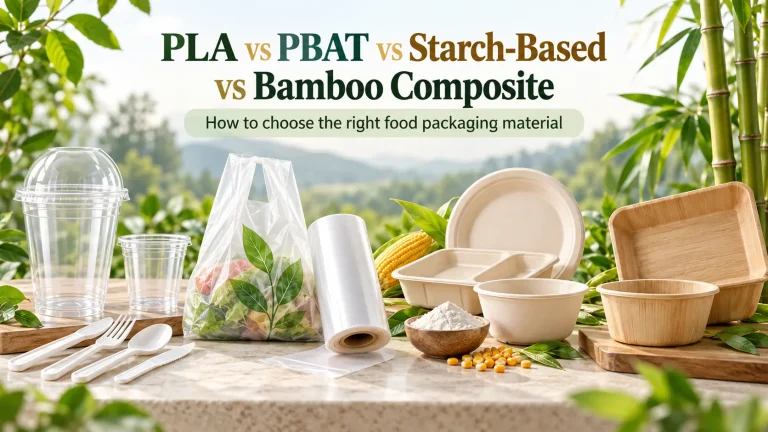
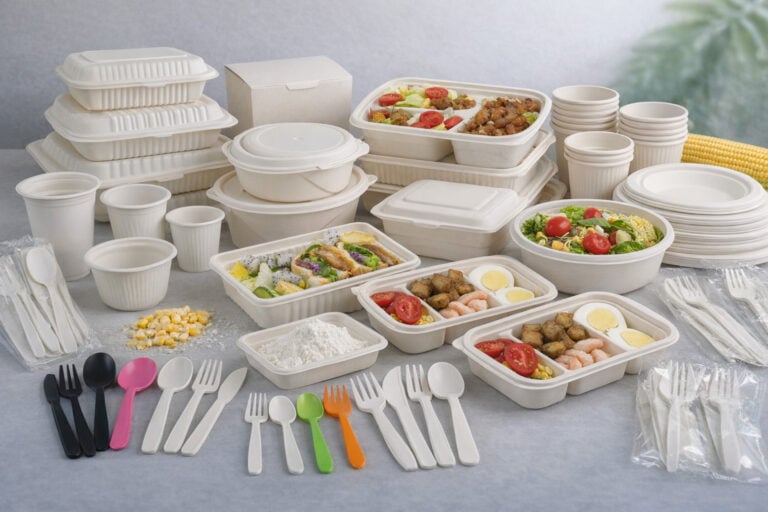
In today’s world of heightened environmental awareness, choosing the right biodegradable packaging materials is essential for businesses striving to reduce their ecological footprint. This comprehensive guide explores various biodegradable materials—sugarcane bagasse, cornstarch, PLA, CPLA, and food paper packaging—examining their unique properties, pros and cons, and real-world applications. Drawing on expert opinions, scientific data, and case studies, we aim to provide a clear roadmap for selecting the best eco-friendly packaging solution for your needs.

Bio Packaging — Quick Summary
  • Items displayed (articles): 12
  • Last updated: 2025-02-21
  • Includes test data, compliance guides, buyer FAQs, and real-world use cases.

Editor’s Picks: Top Bio Packaging Guides 2026

FAQ of Bioleader's Eco-friendly Disposable Tableware

Are the containers available with a logo impression on them?

Definitely! Print Gems. Our to go salad containers are available printed with your logo or artwork. This is a nice chance to make your business while safe packaging supplies are being delivered.

Can these bowls be microwaved?

Yes! These eco-paper bowls are safe to use in the microwave making it easy for their customers to warm food that is in them.

Are these bowls safe for hot liquids?

Our biodegradable paper bowls are made of heat-resistant material making them ideal for hot liquids and can be used for soup and other hot foods: yes.

Is cornstarch-based packaging safe for food contact?

Yes, cornstarch-based packaging is safe for food contact — Bio Packaging. It is often used for disposable cutlery, plates, and food wraps, and meets food safety standards when properly processed , Bio Packaging.

What are the main differences between PLA and CPLA?

PLA is known for its clarity and versatility but has lower heat resistance , Bio Packaging. CPLA, a crystallized form of PLA, offers enhanced heat resistance and durability, making it suitable for hot food packaging and durable cutlery.

Related Insights

🚀Ready to Go Green and Choose ?

Join the global movement toward zero-waste packaging.


Bioleader® offers:

  • 📦 Bulk order support & fast delivery

  • ✍️ Custom branding and OEM solutions

  • 🌍 Worldwide eco-packaging compliance

Get the Catalogue Products List  & Contact Us Now! 👉

Contact us Below

Click or drag files to this area to upload.You can upload up to 5 files.
The more details you share, the faster and more accurate our quotation will be.