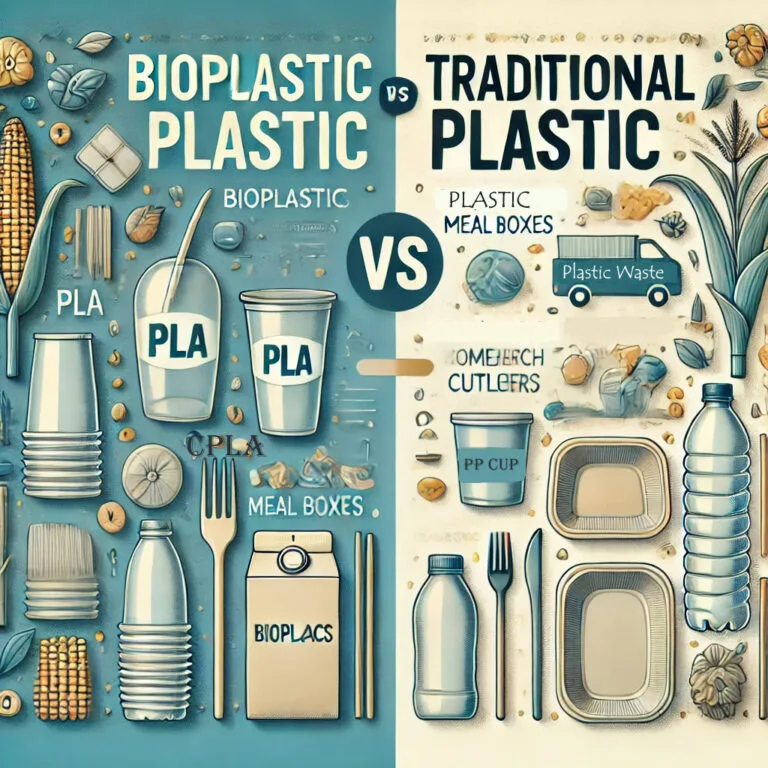
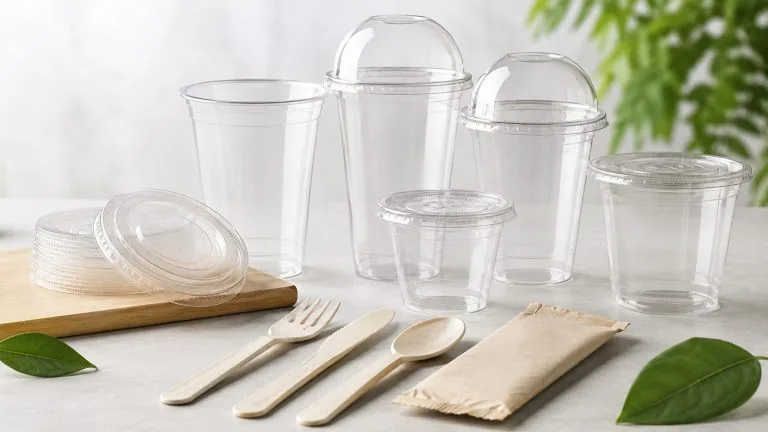
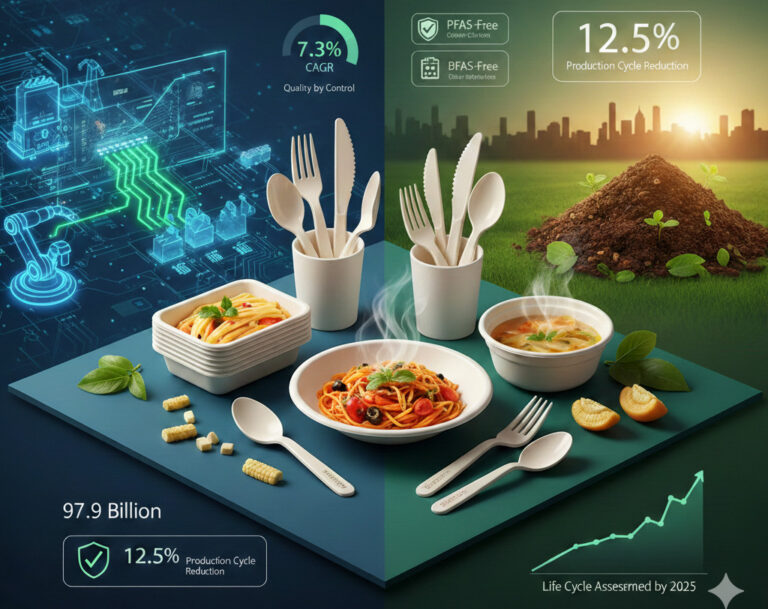
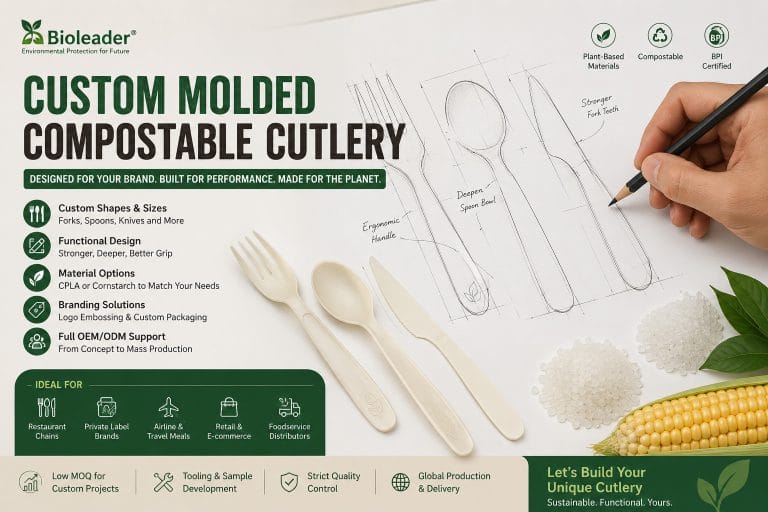
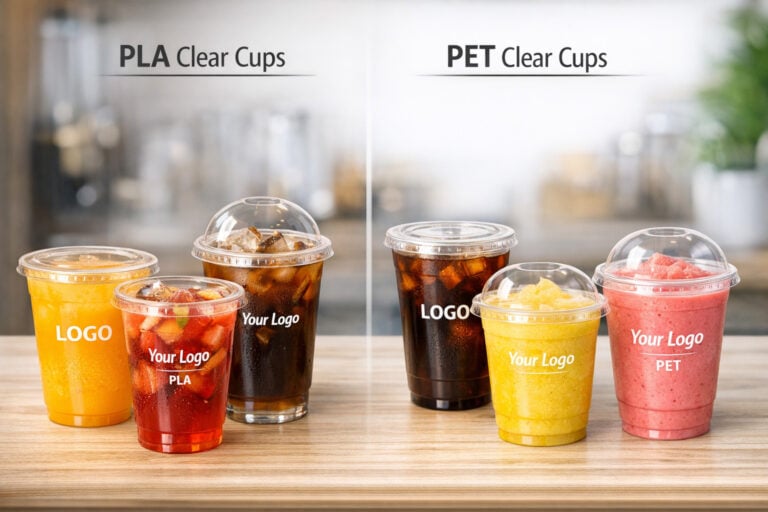
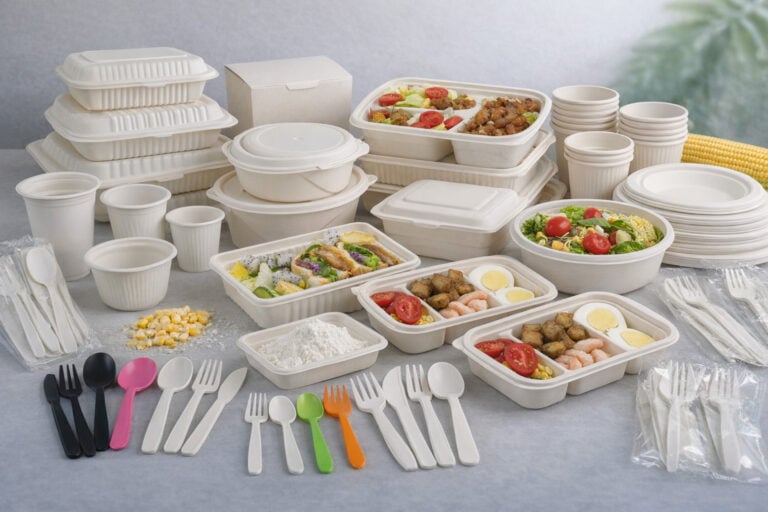
In an era when environmental concerns dominate headlines, the question of whether bioplastics truly offer a sustainable alternative to traditional plastics has taken center stage. The short answer is that bioplastics do indeed represent a promising route to reducing pollution and dependence on fossil fuels—but their real-world impact depends on responsible production, consumer awareness, and efficient waste management systems. Over the next several sections, we will dive deep into the differences between bioplastics and traditional plastics, highlight expert opinions and scientific research, and showcase practical applications such as Bioleader’s cornstarch tableware and PLA clear cups. By the end of this discussion, you will have a clearer understanding of where each type of plastic stands in today’s rapidly evolving market, as well as the challenges and opportunities that lie ahead.


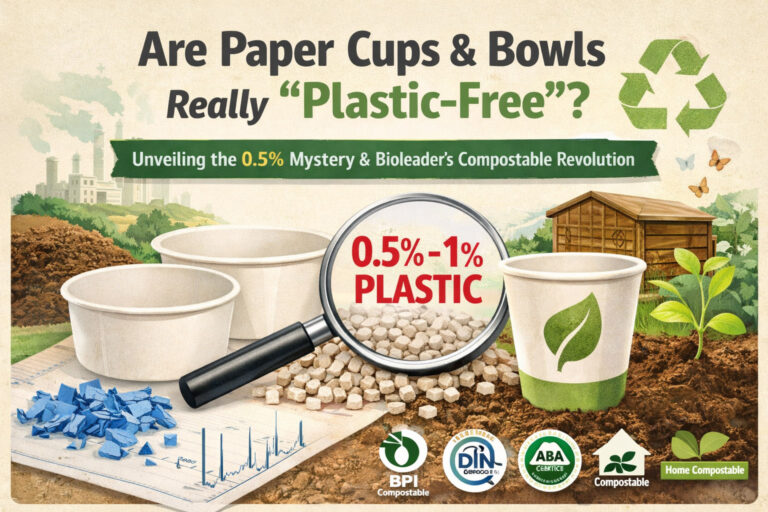
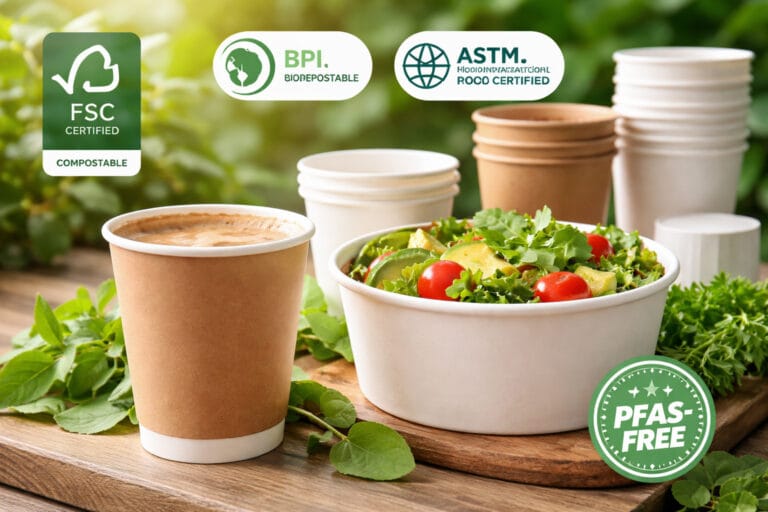
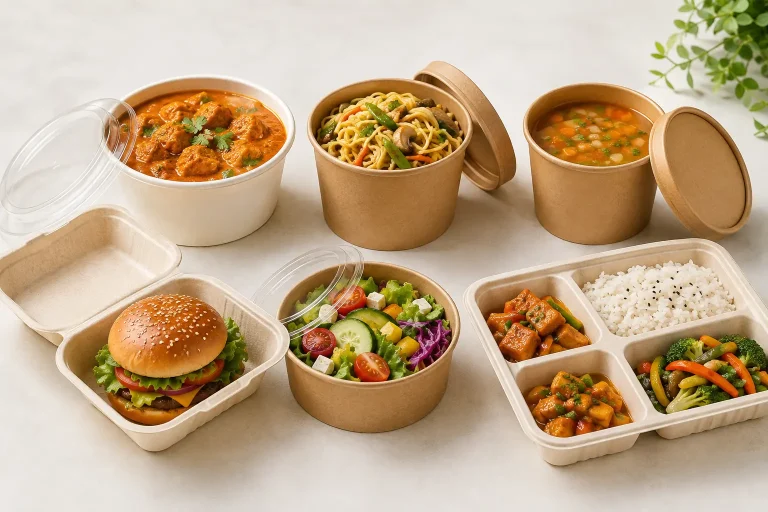
Our eco-friendly disposable bowls contain primarily 2 materials that are used to make the bowls that are kraft paper and white cardboard paper — bio-based plastic manufacturer. Both of the materials are durable and environmentally friendly , bio-based plastic manufacturer. Kraft paper has a coarse natural appearance while white cardboard paper has a smooth, sleek surface. All of these materials are biodegradable which ensures compliance with the highest environmental requirements in product manufacture.
Absolutely. Such paper food containers are good for salads frozen desserts and other cold foods.
Making operating and design decisions that enhance environmental sustainability involves green practices and does not destroy the business unit’s viability. We manufacture durable Kraft paper as well as white cardboard paper for use in our bio-disposable bowls with printed logos. Kraft paper is strong, environmentally friendly, and compostable. Natural brown kraft paper is the appropriate choice for environment-friendly consumers.
Traditional plastics are polymers primarily derived from petrochemicals , bio-based plastic manufacturer. Polyethylene (PE), polypropylene (PP), polyvinyl chloride (PVC), polystyrene (PS), and polyethylene terephthalate (PET) are among the most commonly produced plastics worldwide. These materials owe their popularity to a set of unique properties: High Durability and Strength: Traditional plastics can endure substantial wear and tear, making them ideal for packaging, automotive components, and consumer goods. Versatility: Their chemical structure allows for a wide range of variations, enabling everything from rigid to flexible applications.
Recycling: Traditional plastics can be recycled mechanically or chemically, but low recycling rates, contamination, and downcycling remain problematic. Bioplastics can sometimes be recycled alongside conventional plastics, but this depends on the type of bioplastic and local recycling infrastructure. Composting: Certain bioplastics (e.g., PLA, starch blends) can be industrially composted under specific conditions—high temperature, controlled humidity, and microbial activity. However, if disposed of in a regular landfill, they may degrade as slowly as conventional plastics, negating much of their environmental advantage.
Join the global movement toward zero-waste packaging.
Bioleader® offers:
📦 Bulk order support & fast delivery
✍️ Custom branding and OEM solutions
🌍 Worldwide eco-packaging compliance
Get the Catalogue Products List & Contact Us Now! 👉
📧 Email : info@bioleaderpack.com
📲 WhatsApp : +86-15980856610
🟢 Wechat : bioleader
📍 Add : No.39 Xinglong Road, Xiamen, China
Copyright © 2015–2026 Xiamen Bioleader Environmental Protection Co., Ltd | All Rights Reserved. Privacy Policy | AI Policy | Sitemap
Welcome to Bioleader Pack! 🌿
👉 Get a Quick Quote, Customized & Sample Details. We're online to help with your sourcing needs!
📩 Need Catalog & Price List? Email us: info@bioleaderpack.com
⏰ Response within 6-12 hours.
(Due to timezone differences, if we're away, please email us or leave a message.)
Response time: < 8h | Catalog List
WhatsApp us