Bamboo Carbon Sequestration: Key Industry Highlights | Bioleader® Guide
Actionable coverage of bamboo carbon sequestration: eco-friendly, biodegradable, compostable materials, performance data, and compliance under EN13432 & ASTM D6400. Includes BPI/TÜV references and Food-Contact Tested guidance for safe deployment. Buyer-focused: manufacturer insights, bulk/wholesale buying playbooks, OEM/ODM customization tips, full size range selection.
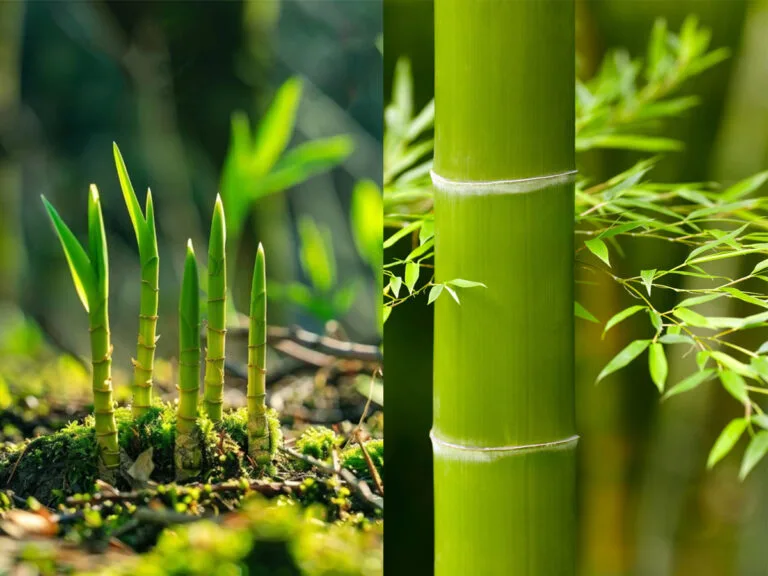
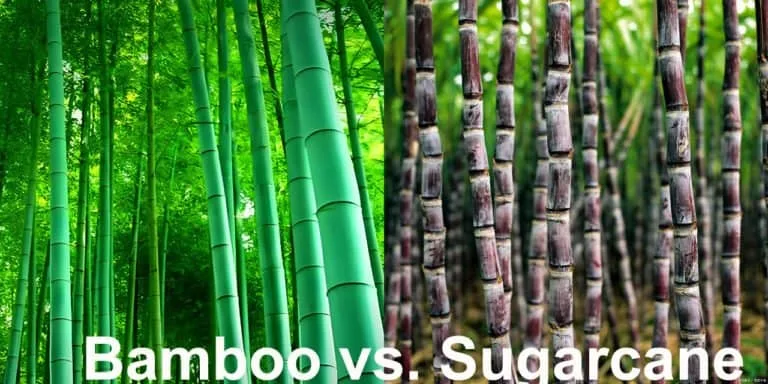
Bamboo has long captivated human imagination with its rapid growth and versatility. Known as one of the fastest-growing plants on Earth, certain bamboo species can surge upwards at astonishing rates, making it a subject of fascination for botanists and environmentalists alike. This remarkable growth underscores bamboo’s ecological significance and highlights its potential in sustainable development and various industries.
bamboo carbon sequestration — Quick Summary
Items displayed (articles): 12
Last updated: 2025-02-22
Includes test data, compliance guides, buyer FAQs, and real-world use cases.
FAQ of Bioleader's Eco-friendly Disposable Tableware
Are these bowls totally biodegradable?
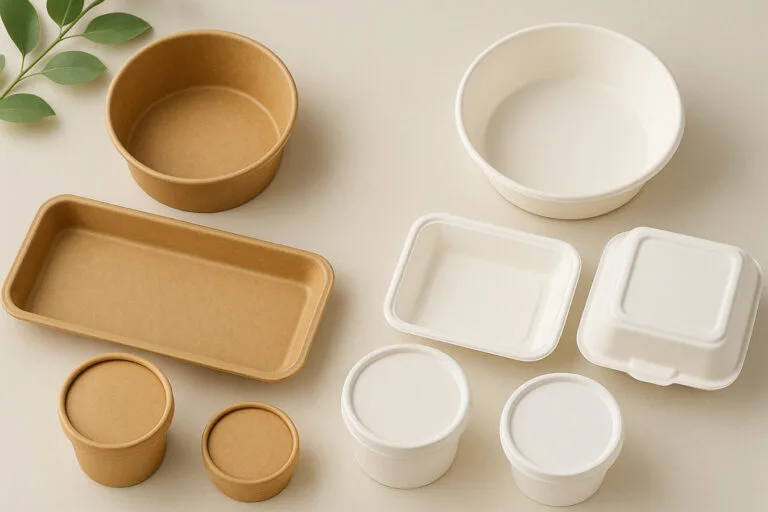
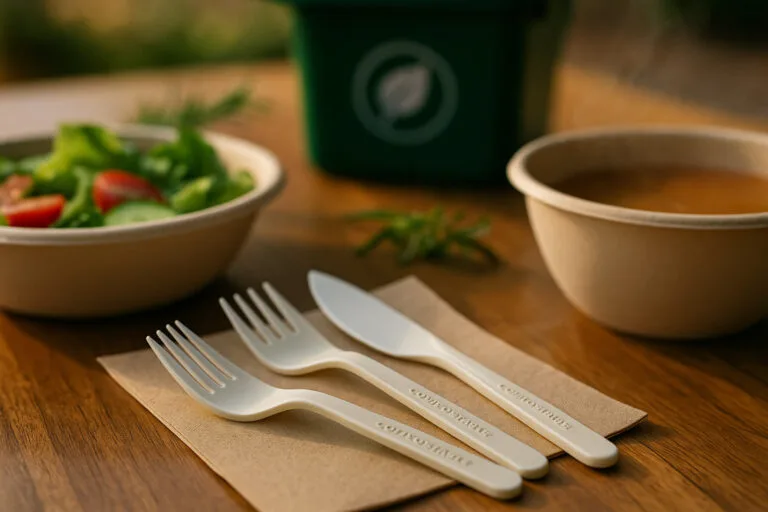
Yes, unlike plastic, our compostable bowls are made of soluble material (biodegradable in this case includes kraft paper & white cardboard), which are not harmful and will degrade safely after they have been thrown away.
Which food should I use these bowls for?
These bowls are multi-purpose and may be used for hot or cold food containing liquids, doling out soups, clogged salads, ice cream or even packing pasta — bamboo carbon sequestration.
How many sizes of the product can I get?
The compostable salad bowls are within the capacity range of 500 and 1500 ml (8 oz-48 oz), Availing variety for the mass.
Why is bamboo considered a sustainable resource?
Bamboo is considered sustainable due to its rapid growth and renewability — bamboo carbon sequestration. It can be harvested in 3–5 years, compared to decades for traditional timber. Additionally, bamboo's extensive root systems help prevent soil erosion and sequester carbon dioxide — bamboo carbon sequestration.
How fast can Moso bamboo grow?
Moso bamboo can grow up to 114.5 centimeters (about 45 inches) in a single day, which is nearly 4.8 centimeters (1.9 inches) per hour under optimal conditions.